Second Opinion for Eye Care: Making Informed Decisions
Making decisions about your eye health requires careful consideration, particularly when facing a diagnosis that may require surgical intervention or complex treatment. Seeking a second opinion from another qualified ophthalmologist is sometimes a valuable step in ensuring you receive appropriate care tailored to your specific condition and circumstances.
What is a Second Opinion in Eye Care?
A second opinion involves consulting with another eye specialist to review your diagnosis, treatment recommendations, and overall care plan. This consultation provides an additional professional perspective on your eye condition, helping you gain clarity and confidence before proceeding with any proposed treatment. The practice of obtaining second opinions has become increasingly common in ophthalmology, with patients recognising the importance of thorough evaluation when their vision is at stake.
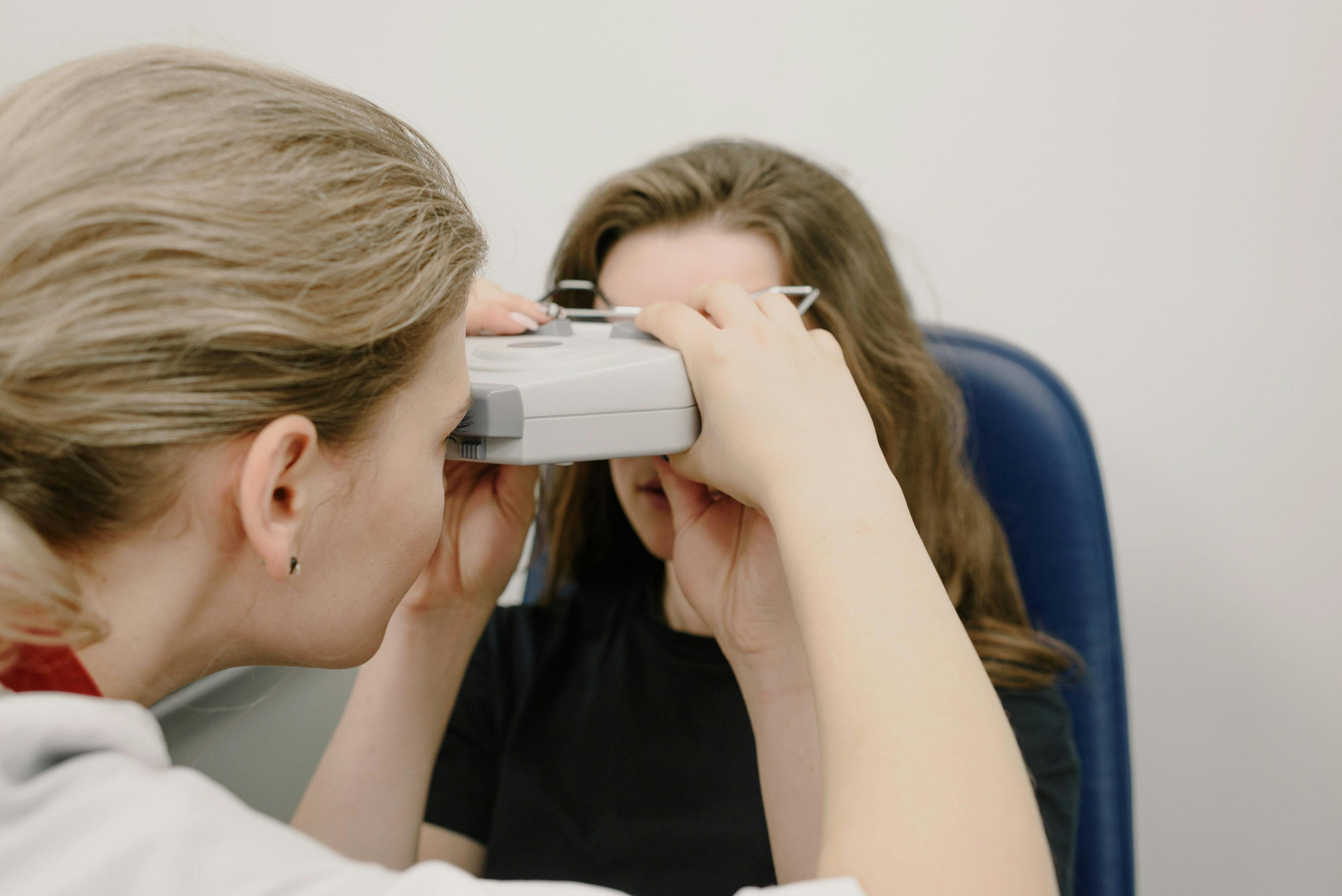
When you seek a second opinion, our ophthalmologist will typically review your medical records, examine your eyes, and may recommend additional diagnostic tests. This comprehensive evaluation can either confirm the initial diagnosis and treatment plan or potentially identify alternative approaches that may be more suitable for your particular situation.
When Should You Get a Second Opinion?
Several scenarios warrant consideration of a second opinion in eye care. If you have received a diagnosis that feels unclear or overwhelming, consulting another specialist can help you better understand your condition and what it means for your vision. Complex diagnoses often benefit from multiple professional perspectives, particularly when the condition is uncommon or requires specialised expertise.
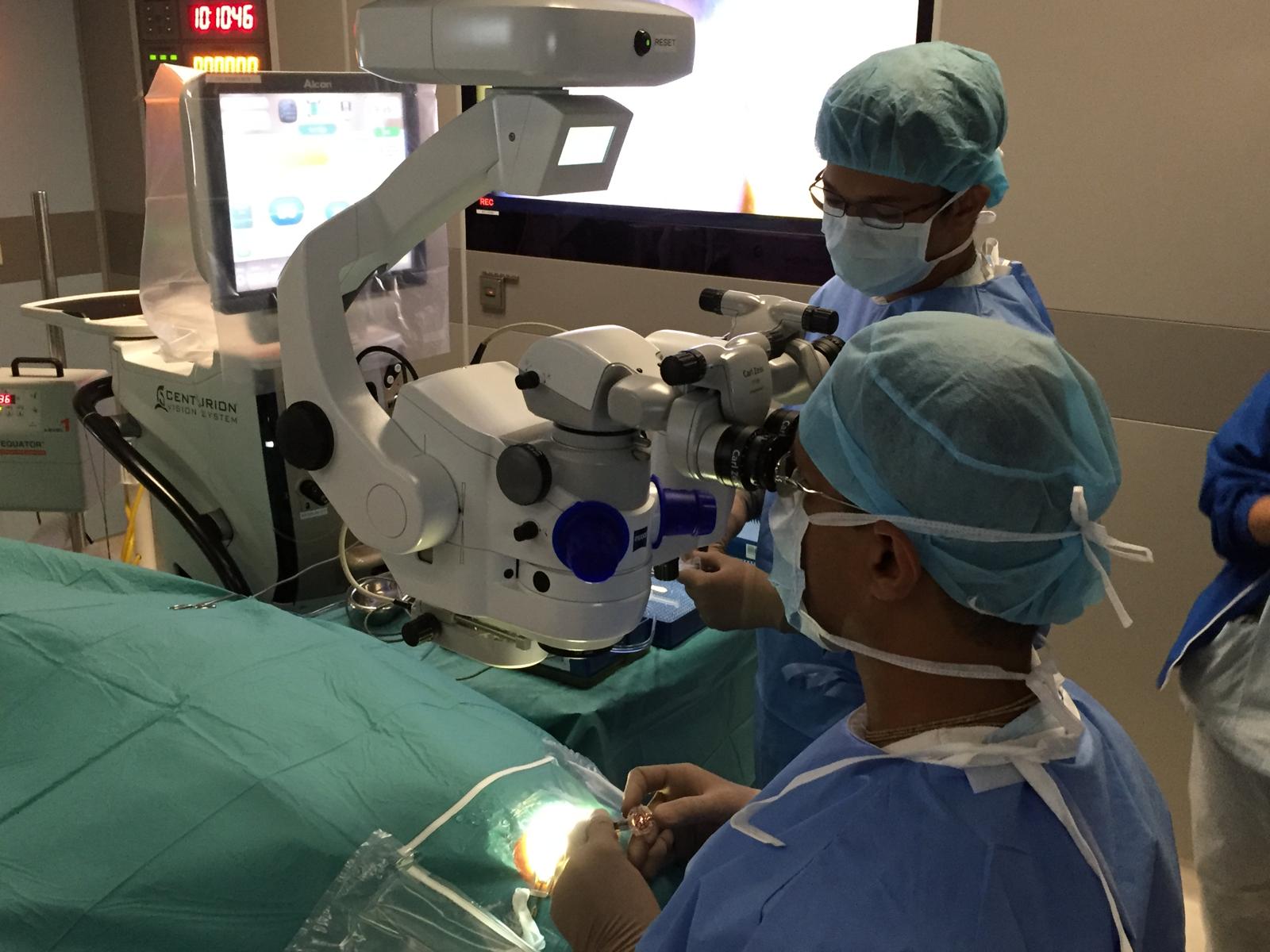
Surgical recommendations represent another common reason for seeking additional consultation. Whether the proposed procedure involves cataract surgery, retinal surgery, glaucoma treatment, or refractive surgery such as LASIK, understanding all available options and their associated outcomes is crucial. Different surgeons may have varying approaches to the same condition, and learning about these alternatives empowers you to make informed decisions.
Patients experiencing persistent symptoms despite ongoing treatment can also consider seeking additional evaluation. When current management strategies fail to provide adequate relief or improvement, another ophthalmologist may identify factors that were previously overlooked or suggest different treatment approaches that could prove more effective.
Situations where communication has broken down with your current provider may also benefit from a fresh perspective. If you feel your concerns are not being adequately addressed, or if the treatment plan has not been explained clearly, consulting another specialist can help ensure your questions receive thorough answers.
Benefits of Getting a Second Opinion
Research in medical decision-making highlights the potential value of second opinions. Studies have found that original diagnoses differed significantly from final diagnoses in approximately 21 per cent of reviewed cases, underscoring how additional evaluation can sometimes reveal diagnostic errors or lead to treatment modifications.
In ophthalmology specifically, the complexity of visual conditions and the range of available treatment options mean that multiple valid approaches may exist for managing the same condition. For instance, glaucoma treatment options have expanded significantly, with antiglaucoma eye drops, selective laser trabeculoplasty, minimally invasive glaucoma surgery, traditional filtering surgery, and combination therapy all potentially appropriate depending on individual circumstances. Understanding the rationale behind different recommendations helps patients navigate these choices more effectively.
The second consultation may confirm that the original recommendation was appropriate, providing reassurance and confidence to proceed. Alternatively, it might reveal additional treatment options not previously discussed, or identify concerns that require further investigation before moving forward with surgery or other interventions.
Eye Conditions That May Need a Second Opinion
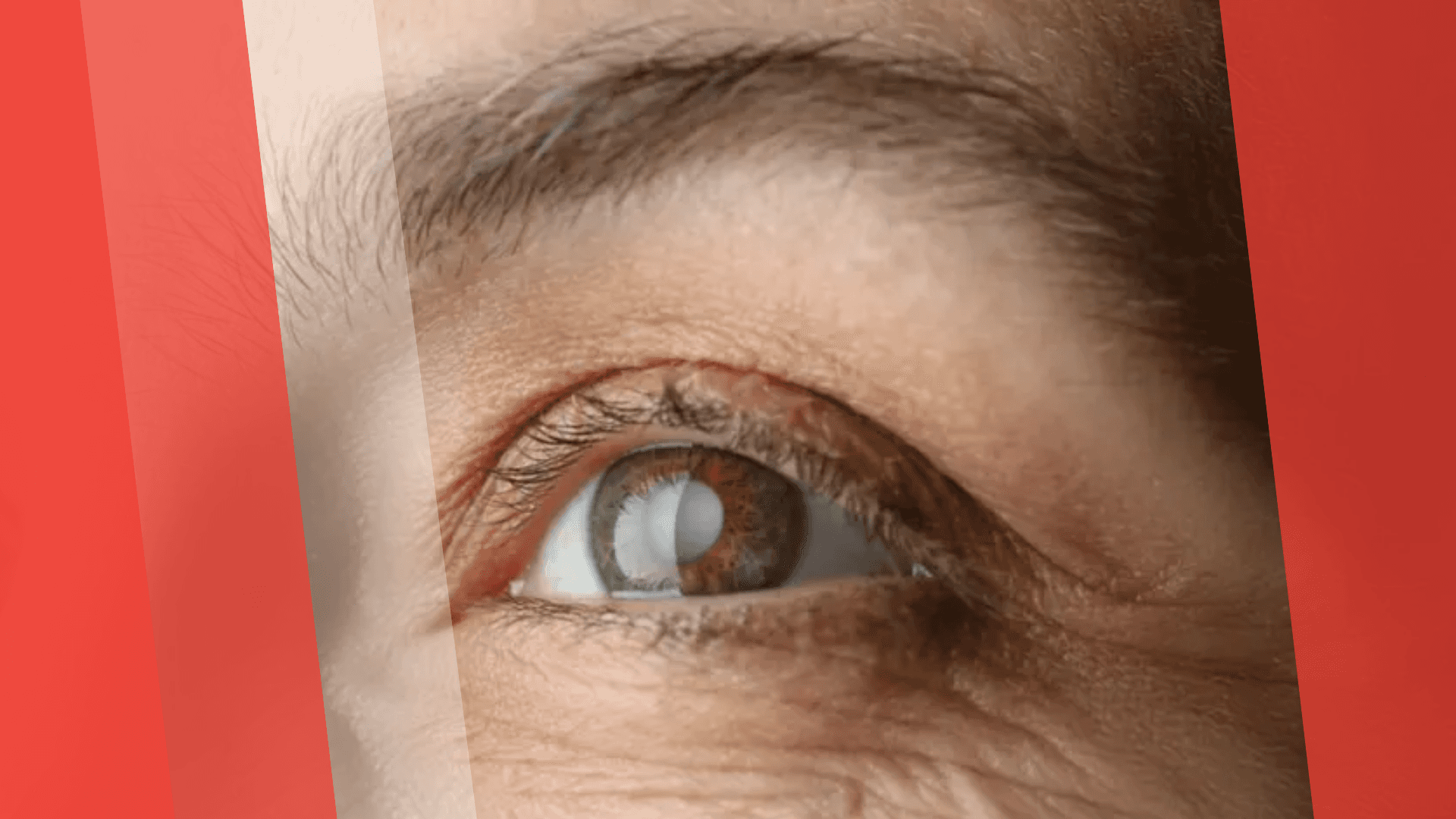
Cataract surgery represents one of the most frequent areas where patients seek second opinions. While cataract surgery has an excellent safety profile, decisions regarding timing, surgical technique, and intraocular lens selection can significantly impact outcomes. A second opinion can help clarify whether surgery is necessary at the current stage, what type of intraocular lens might work optimally for your lifestyle, and what realistic expectations should be for visual outcomes.
Glaucoma management often benefits from multiple perspectives due to the variety of treatment approaches available. The condition typically progresses slowly, allowing time for careful consideration of medical therapy, laser treatment, or surgical options. Different specialists may have varying thresholds for recommending surgery versus continuing with medication, and understanding these perspectives helps in making decisions aligned with your preferences and risk tolerance.
Ptosis surgery, which addresses drooping eyelids, is another condition where second opinions prove valuable. The surgical approach for ptosis correction varies depending on the severity of the droop and underlying cause. Different surgeons may recommend different techniques, from levator advancement to frontalis suspension, and a second opinion can help you understand which approach best suits your particular case. The procedure affects both functional vision and cosmetic appearance, making it essential to have confidence in the treatment plan before proceeding with surgery.

Retinal conditions, including diabetic retinopathy, macular degeneration, and retinal detachment, can present complex diagnostic and treatment challenges. These conditions may require specialised imaging and careful interpretation of test results. A second opinion from a retinal specialist can provide additional expertise when facing treatment dilemmas in this subspecialty area.
Refractive surgery candidates, including those considering LASIK or other vision correction procedures, should ensure a comprehensive preoperative evaluation. A second consultation can verify candidacy for the procedure, discuss alternative options if appropriate, and help compare different surgeons' approaches and technology offerings.
Preparing for Your Second Opinion Consultation
Maximising the value of a second opinion consultation requires proper preparation. Gather all relevant medical records from your initial evaluation, including diagnostic test results, imaging studies, and documentation of your current diagnosis and recommended treatment plan. Having these materials available allows our ophthalmologist to review your complete medical picture without unnecessary duplication of tests.
Prepare a list of specific questions you wish to address during the consultation. Consider asking about the severity of your condition, what treatment alternatives exist, what risks accompany each option, and what might happen if you delay or decline treatment. Understanding the reasoning behind different recommendations helps you evaluate your options more effectively.
Consider bringing a family member or friend to the appointment. They can help you remember information discussed during the consultation and may think of questions you had not considered.
Making Your Decision After Receiving a Second Opinion
After receiving a second opinion, you may find yourself with either confirmation of the original recommendation or differing viewpoints on the appropriate course of action. When both opinions align, you can typically proceed with greater confidence knowing that multiple specialists agree on your diagnosis and treatment plan.
If the second opinion differs significantly from the first, take time to understand the reasoning behind each recommendation. Consider scheduling follow-up discussions with both providers to clarify any remaining questions. In some cases, a third opinion may provide additional clarity when facing substantially different recommendations.
Ultimately, the decision regarding your treatment should incorporate medical expertise, your personal circumstances, and your preferences regarding risk tolerance and lifestyle factors. Second opinions serve as valuable tools in this decision-making process, providing the information necessary to move forward with confidence.
Important Considerations
While this information provides general guidance about second opinions in eye care, it does not constitute medical advice. Every patient's situation differs, and treatment decisions should be made in consultation with qualified ophthalmologists who can evaluate your specific condition. If you are experiencing eye-related symptoms or have concerns about your vision, schedule an appointment with an eye care professional for proper evaluation and personalised recommendations.
Medical Disclaimer: The information provided in this article is for general educational purposes only and should not be considered medical advice. Individual circumstances vary, and decisions regarding diagnosis and treatment should be made in consultation with qualified healthcare professionals who can evaluate your specific condition.