Early Detection of Diabetic Retinopathy: Why Regular Eye Screenings Save Your Vision

Early Detection of Diabetic Retinopathy: Why Regular Eye Screenings Save Your Vision

Diabetic retinopathy is the leading cause of blindness among working-age adults,….

Early Detection of Diabetic Retinopathy: Why Regular Eye Screenings Save Your Vision

Diabetic retinopathy is the leading cause of blindness among working-age adults, yet early detection and treatment can prevent up to 95% of vision loss cases. In Singapore, where approximately one in eight adults has diabetes, understanding the importance of regular retinal screening is critical for preserving your sight.​

Understanding Diabetic Retinopathy

Diabetic retinopathy occurs when persistently high blood sugar levels damage the tiny blood vessels in the retina-the light-sensitive tissue at the back of your eye. These damaged vessels may leak fluid and blood, causing swelling and vision distortion. In advanced stages, abnormal new blood vessels form that can bleed into the eye and lead to severe vision loss or blindness.​

The most concerning aspect of diabetic retinopathy is that it often develops silently. Many patients have no visual symptoms in the early stages when treatment is most effective. By the time symptoms like blurred vision, floaters, or dark spots appear, the disease has usually progressed significantly and vision loss may already be irreversible.​

The Critical Importance of Annual Screening

Medical guidelines strongly recommend that all diabetic patients undergo comprehensive retinal examinations at least once annually, even if they have no visual complaints. About 8.5% of diabetics in Singapore have diabetic retinopathy, with 13.3% of these cases being sight-threatening. However, with regular screening and early intervention, this blindness is largely preventable.​

Research shows that diabetics have a 25-fold increased risk of blindness compared to non-diabetic individuals, making proactive eye care essential. At International Eye Cataract Retina Centre, our advanced screening protocols can detect diabetic retinopathy years before symptoms appear, allowing for timely treatment that preserves vision.​

Advanced Screening Technologies at IECRC

Ultra-Widefield Retinal Imaging: Our centre utilizes state-of-the-art ultra-widefield photography that captures up to 200 degrees of the retina in a single image-approximately 82.5% of the entire retinal surface. This technology detects diabetic changes in the peripheral retina that traditional imaging methods might miss, with sensitivity rates of 94% for detecting diabetic retinopathy.​

Studies have shown that ultra-widefield imaging can identify new biomarkers for diabetic retinopathy, including peripheral lesions and "white dots" that indicate areas of poor blood perfusion. This advanced screening takes less than five minutes and doesn't require uncomfortable eye dilation in many cases.​

High-Definition Optical Coherence Tomography (OCT): OCT imaging provides cross-sectional views of the retina with microscopic detail, allowing our specialists to detect subtle swelling (macular oedema) caused by leaking blood vessels. This non-invasive test takes only 5-10 minutes and is painless.​

Fluorescein Angiography: For patients with suspected vascular abnormalities, fluorescein angiography provides detailed visualization of retinal blood flow, helping our retinal specialists plan precise treatment strategies.​

Treatment Options That Preserve Vision

When diabetic retinopathy is detected early, several highly effective treatments can halt disease progression and preserve vision:​

Anti-VEGF Injections: Modern anti-vascular endothelial growth factor (anti-VEGF) therapies like Eylea and Lucentis have revolutionized diabetic retinopathy treatment. These medications are injected directly into the eye to reduce abnormal blood vessel growth and decrease retinal swelling. Clinical studies show that anti-VEGF injections provide superior visual outcomes compared to traditional laser alone, with many patients experiencing actual vision improvement.​

Sustained-Release Steroid Implants: For patients with persistent macular swelling, implants like Ozurdex provide controlled medication release over several months, reducing the need for frequent injections.​

Targeted Laser Treatment: Panretinal photocoagulation (PRP) or focal laser therapy may be recommended for more advanced cases to prevent further vision loss. When combined with anti-VEGF therapy, laser treatment effectively controls disease progression.​

Lifestyle Factors That Impact Diabetic Eye Health

While medical treatment is crucial, lifestyle management plays an equally important role in preventing diabetic retinopathy:​

Optimal Blood Sugar Control: Maintaining HbA1c levels below 7% significantly reduces the risk of developing diabetic retinopathy and slows disease progression in those already affected.​

Blood Pressure Management: Hypertension accelerates retinal damage in diabetic patients. Keeping blood pressure below 130/80 mmHg helps protect the delicate retinal blood vessels.​

Cholesterol Optimisation: High cholesterol contributes to the formation of hard exudates (lipid deposits) in the retina. Managing lipid levels through diet and medication when necessary is essential.​

Smoking Cessation: Smoking dramatically increases the risk of diabetic complications, including retinopathy. Quitting smoking is one of the most impactful steps you can take to preserve your vision.​

Who Should Be Screened?

All diabetic patients should have their first comprehensive eye examination immediately after diagnosis. Type 1 diabetics should be screened within five years of diagnosis, while Type 2 diabetics need screening at the time of diagnosis since the disease may have been present for years before detection.​

Pregnant women with diabetes require more frequent monitoring, as pregnancy can accelerate diabetic retinopathy progression. Your retinal specialist will recommend follow-up intervals based on your individual risk factors and examination findings.​

The Singapore Context: Taking Action

With diabetes rates projected to affect one in three Singaporeans during their lifetime, the government has declared a national war on diabetes. Over 400,000 Singaporeans currently have diabetes, with one-third of cases still undiagnosed. This makes proactive screening even more critical.​

At International Eye Cataract Retina Centre, our fellowship-trained retinal specialists use the most advanced diagnostic technology to detect diabetic eye disease at the earliest possible stage. Don't wait for symptoms to appear-by then, it may be too late. Schedule your comprehensive diabetic eye screening today and take control of your vision health.

Early Detection of Diabetic Retinopathy: Why Regular Eye Screenings Save Your Vision

About the Contributor

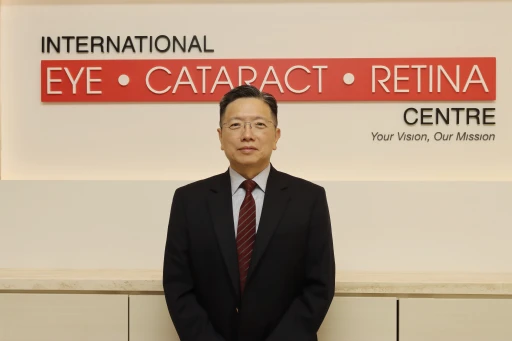
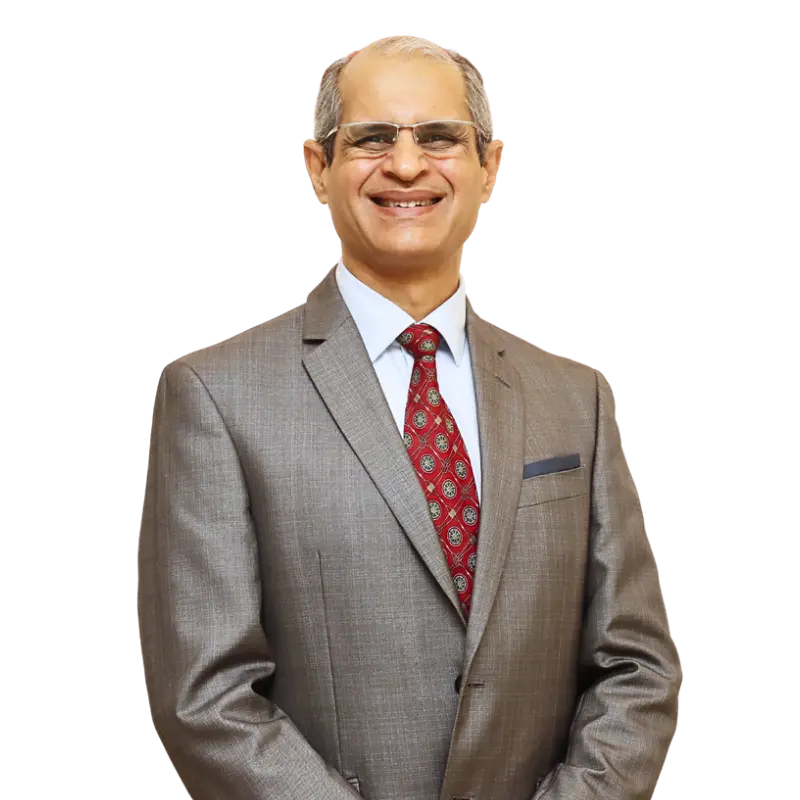
Adj A/Prof Au Eong Kah Guan

Medical Director & Senior Consultant

Dr Au Eong Kah Guan serves as Medical Director and Senior Consultant at the International Eye Cataract Retina Centre, practising at both Mount Elizabeth Medical Centre and Farrer Park Medical Centre. He holds the position of Adjunct Associate Professor at the Lee Kong Chian School of Medicine, Nanyang Technological University, and serves as Visiting Senior Consultant at Khoo Teck Puat Hospital. Dr Au Eong earned his medical degrees from the National University of Singapore and completed advanced fellowship training in vitreoretinal surgery at the University of Manchester and Johns Hopkins University, where he worked with world-renowned vitreoretinal surgeons. His clinical expertise spans retinal diseases, age-related macular degeneration, cataracts, and comprehensive ophthalmology. As a clinician-scientist, he actively promotes AMD awareness and played an instrumental role in establishing the "Smoking Causes Blindness" warning on cigarette packaging in Singapore.

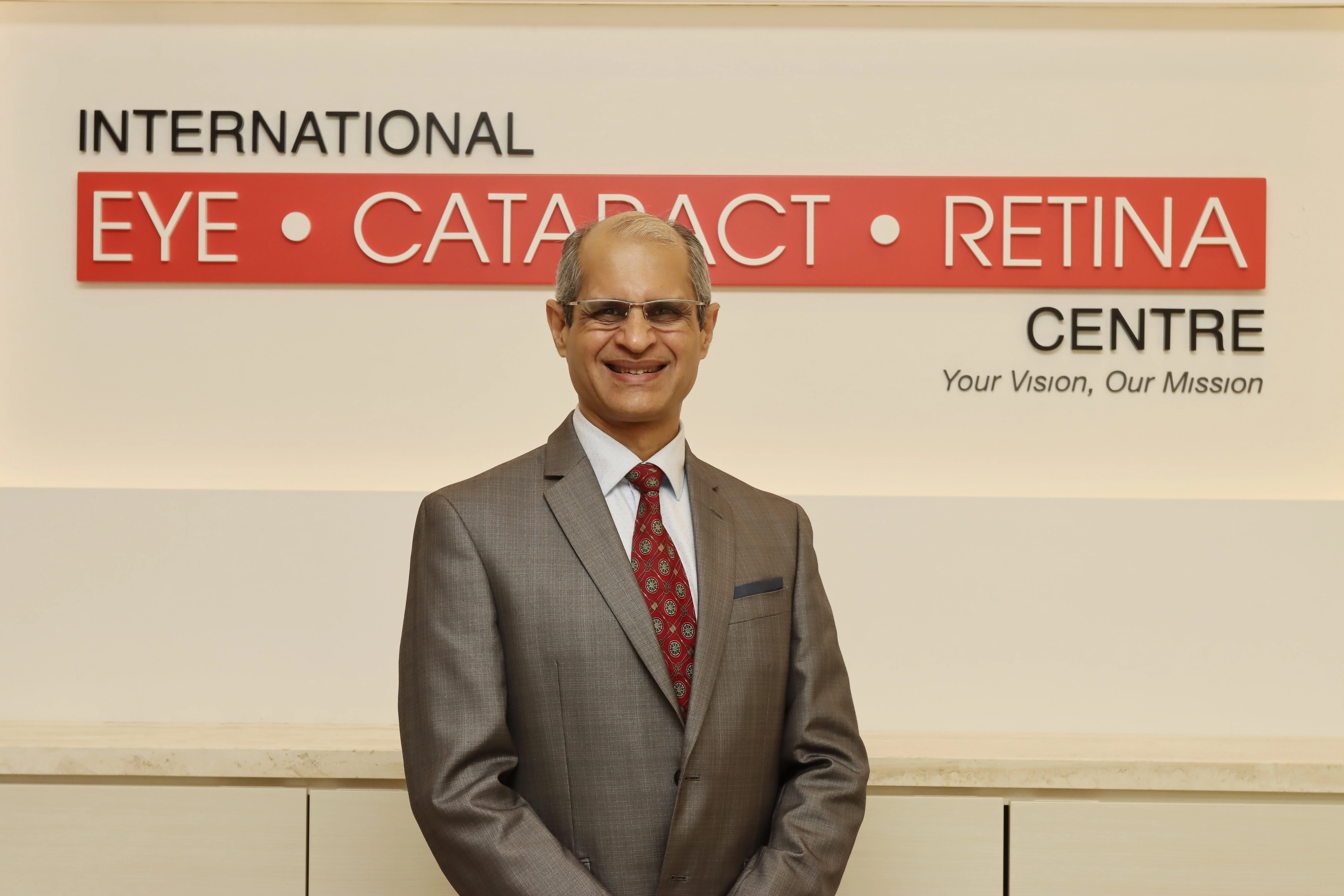
Dr Ajeet Madhav Wagle

Medical Director & Senior Consultant

Dr Ajeet Madhav Wagle is Medical Director and Senior Consultant at the International Eye Cataract Retina Centre, practising at Mount Elizabeth Medical Centre and Farrer Park Medical Centre. He serves as Visiting Consultant at the Department of Ophthalmology and Visual Sciences at Khoo Teck Puat Hospital. Dr Ajeet graduated from the University of Pune, India, in 1994 and obtained a Fellowship from the Royal College of Surgeons of Edinburgh in 1999 and the Academy of Medicine in Singapore in 2014. He completed advanced fellowship training in vitreoretinal diseases and surgery at Sankara Nethralaya, a renowned eye institution in Chennai, India. His expertise includes retinal and macular diseases, diabetic retinopathy, cataract surgery, and comprehensive ophthalmology. Dr Ajeet led the nationwide AMD Awareness Week campaign from 2008 to 2011 and regularly volunteers for eye surgery camps in developing countries.

Adj A/Prof Au Eong Kah Guan

Medical Director & Senior Consultant

Dr Au Eong Kah Guan serves as Medical Director and Senior Consultant at the International Eye Cataract Retina Centre, practising at both Mount Elizabeth Medical Centre and Farrer Park Medical Centre. He holds the position of Adjunct Associate Professor at the Lee Kong Chian School of Medicine, Nanyang Technological University, and serves as Visiting Senior Consultant at Khoo Teck Puat Hospital. Dr Au Eong earned his medical degrees from the National University of Singapore and completed advanced fellowship training in vitreoretinal surgery at the University of Manchester and Johns Hopkins University, where he worked with world-renowned vitreoretinal surgeons. His clinical expertise spans retinal diseases, age-related macular degeneration, cataracts, and comprehensive ophthalmology. As a clinician-scientist, he actively promotes AMD awareness and played an instrumental role in establishing the "Smoking Causes Blindness" warning on cigarette packaging in Singapore.

Dr Ajeet Madhav Wagle

Medical Director & Senior Consultant

Dr Ajeet Madhav Wagle is Medical Director and Senior Consultant at the International Eye Cataract Retina Centre, practising at Mount Elizabeth Medical Centre and Farrer Park Medical Centre. He serves as Visiting Consultant at the Department of Ophthalmology and Visual Sciences at Khoo Teck Puat Hospital. Dr Ajeet graduated from the University of Pune, India, in 1994 and obtained a Fellowship from the Royal College of Surgeons of Edinburgh in 1999 and the Academy of Medicine in Singapore in 2014. He completed advanced fellowship training in vitreoretinal diseases and surgery at Sankara Nethralaya, a renowned eye institution in Chennai, India. His expertise includes retinal and macular diseases, diabetic retinopathy, cataract surgery, and comprehensive ophthalmology. Dr Ajeet led the nationwide AMD Awareness Week campaign from 2008 to 2011 and regularly volunteers for eye surgery camps in developing countries.

Adj A/Prof Au Eong Kah Guan

Medical Director & Senior Consultant

Dr Au Eong Kah Guan serves as Medical Director and Senior Consultant at the International Eye Cataract Retina Centre, practising at both Mount Elizabeth Medical Centre and Farrer Park Medical Centre. He holds the position of Adjunct Associate Professor at the Lee Kong Chian School of Medicine, Nanyang Technological University, and serves as Visiting Senior Consultant at Khoo Teck Puat Hospital. Dr Au Eong earned his medical degrees from the National University of Singapore and completed advanced fellowship training in vitreoretinal surgery at the University of Manchester and Johns Hopkins University, where he worked with world-renowned vitreoretinal surgeons. His clinical expertise spans retinal diseases, age-related macular degeneration, cataracts, and comprehensive ophthalmology. As a clinician-scientist, he actively promotes AMD awareness and played an instrumental role in establishing the "Smoking Causes Blindness" warning on cigarette packaging in Singapore.

Dr Ajeet Madhav Wagle

Medical Director & Senior Consultant

Dr Ajeet Madhav Wagle is Medical Director and Senior Consultant at the International Eye Cataract Retina Centre, practising at Mount Elizabeth Medical Centre and Farrer Park Medical Centre. He serves as Visiting Consultant at the Department of Ophthalmology and Visual Sciences at Khoo Teck Puat Hospital. Dr Ajeet graduated from the University of Pune, India, in 1994 and obtained a Fellowship from the Royal College of Surgeons of Edinburgh in 1999 and the Academy of Medicine in Singapore in 2014. He completed advanced fellowship training in vitreoretinal diseases and surgery at Sankara Nethralaya, a renowned eye institution in Chennai, India. His expertise includes retinal and macular diseases, diabetic retinopathy, cataract surgery, and comprehensive ophthalmology. Dr Ajeet led the nationwide AMD Awareness Week campaign from 2008 to 2011 and regularly volunteers for eye surgery camps in developing countries.

Other Articles