Singapore's fast-paced, digitally-driven lifestyle, maintaining optimal eye health requires proactive care and healthy habits. With the nation having one of the world's highest myopia rates and an ageing population at risk for cataracts and macular degeneration, understanding preventive eye care strategies is more important than ever.
The Importance of Comprehensive Eye Examinations
Regular eye check-ups serve as your first line of defence against vision loss. Many serious eye conditions-including glaucoma, macular degeneration, and diabetic retinopathy-develop silently without early symptoms. By the time you notice vision changes, irreversible damage may have already occurred.
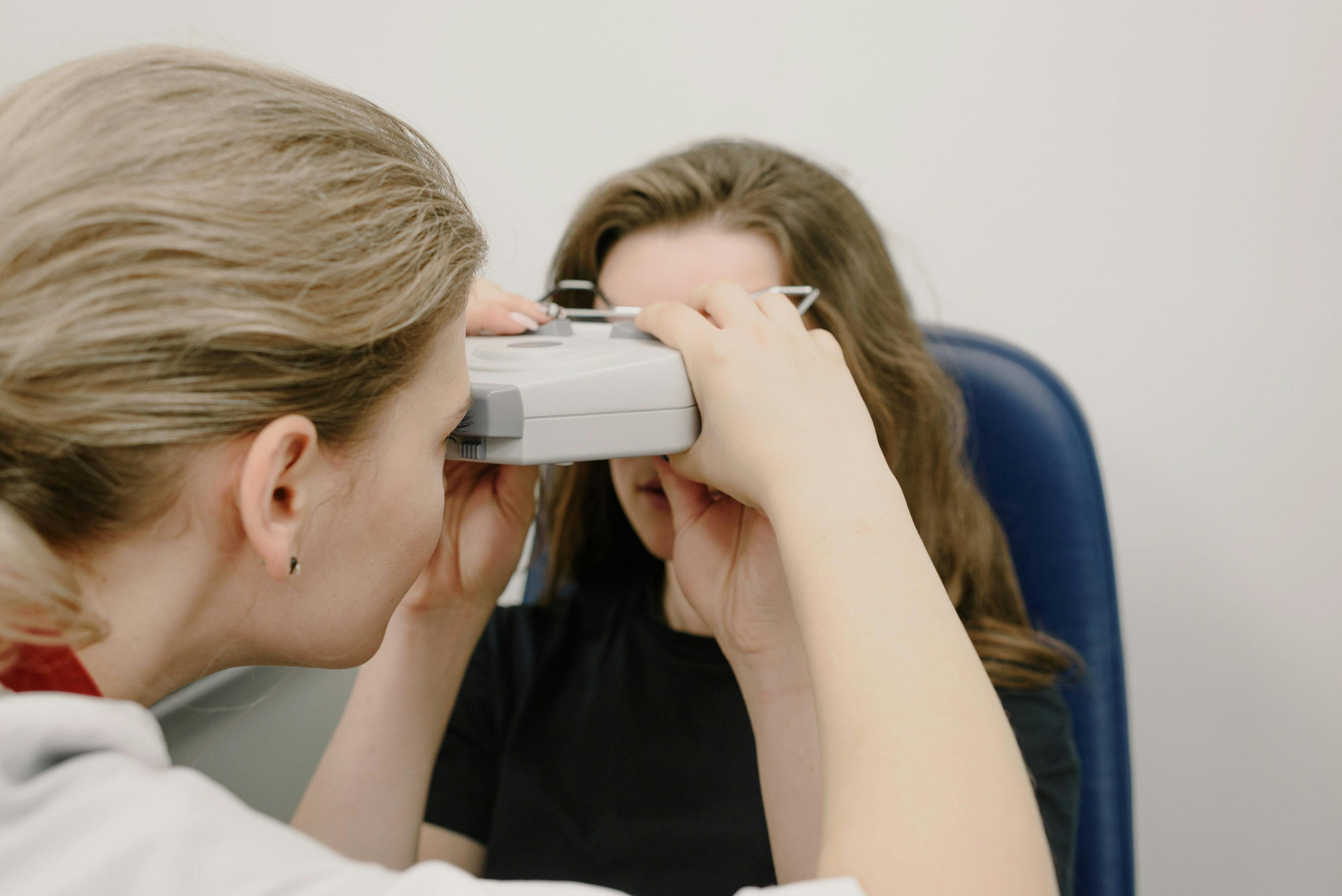
Eye health experts recommend that adults over age 40 have comprehensive eye examinations annually, even if they have no visual complaints. Those with diabetes, high blood pressure, family history of eye disease, or high myopia may need more frequent monitoring. These preventive examinations can detect early signs of disease years before symptoms appear, when treatment is most effective.
At International Eye Cataract Retina Centre, our comprehensive screening includes advanced imageing technology such as optical coherence tomography (OCT), ultra-widefield retinal photography, and detailed evaluation by fellowship-trained specialists. Early detection dramatically improves treatment outcomes for conditions like age-related macular degeneration, which affects many Singaporeans over age 60.
Managing Digital Eye Strain in Singapore's Screen-Dominated Lifestyle
Singaporeans spend an average of 7-9 hours daily on digital devices for work and entertainment, contributing to epidemic levels of digital eye strain. Prolonged screen time causes symptoms including eye fatigue, dryness, blurred vision, and headaches.
The 20-20-20 Rule: Every 20 minutes, look at something 20 feet away for at least 20 seconds. This simple practice allows your eye muscles to relax and reduces strain.
Optimise Your Workspace: Position your computer screen about 20-26 inches from your eyes, slightly below eye level. Ensure proper lighting to minimize glare on screens. Consider using blue light filtering glasses or screen protectors, especially for evening device use.
Artificial Tears and Humidity: Air-conditioned environments dry out the eye surface. Use preservative-free artificial tears as needed and consider a desktop humidifier to maintain comfortable moisture levels.
Nutrition for Healthy Eyes
What you eat directly impacts your eye health. A diet rich in specific nutrients can reduce your risk of cataracts, macular degeneration, and other vision-threatening conditions:
Leafy Green Vegetables: Spinach, kale, and other greens contain lutein and zeaxanthin-powerful antioxidants that accumulate in the retina and protect against blue light damage and age-related macular degeneration.
Omega-3 Fatty Acids: Found abundantly in salmon, mackerel, and other oily fish, omega-3s support retinal health and may reduce the risk of dry eyes and macular degeneration.
Colourful Fruits and Vegetables: Carrots, sweet potatoes, oranges, and berries provide vitamin A, vitamin C, and other antioxidants essential for maintaining healthy vision.
AREDS2 Supplements: For individuals at moderate to high risk of age-related macular degeneration, the Age-Related Eye Disease Study (AREDS2) formula-containing vitamins C and E, zinc, copper, lutein, and zeaxanthin-can reduce disease progression by up to 25% over five years.
UV Protection in Singapore's Tropical Climate
Singapore's year-round intense sunlight exposes residents to high levels of harmful ultraviolet (UV) radiation. Excessive UV exposure accelerates cataract formation and increases the risk of age-related macular degeneration and even eye cancers.
Choose Quality Sunglasses: Invest in sunglasses that block 99-100% of both UVA and UVB radiation. Wraparound styles provide the best protection by blocking light from the sides. Polarized lenses reduce glare, making them ideal for driving and outdoor activities.
Wide-Brimmed Hats: Combine sunglasses with broad-brimmed hats for maximum UV protection, especially during peak sun hours between 10 AM and 4 PM.
UV-Blocking Contact Lenses: While some contact lenses offer UV protection, they should be used in addition to-not instead of-sunglasses, as lenses don't cover the entire eye surface.
Exercise and Weight Management for Eye Health
Regular physical activity benefits your eyes in multiple ways. Exercise helps prevent and manage diabetes, hypertension, and high cholesterol-all major risk factors for sight-threatening conditions including diabetic retinopathy, glaucoma, and retinal vascular occlusions.
Maintaining a healthy body weight reduces your risk of developing type 2 diabetes, which is a leading cause of preventable blindness. Even moderate exercise like brisk walking for 30 minutes five times weekly can significantly reduce disease risk.
Smoking Cessation: Protecting Your Vision
Smoking is as damaging to your eyes as it is to the rest of your body. Research links smoking with dramatically increased risk of cataracts, age-related macular degeneration, optic nerve damage, and diabetic retinopathy.
The good news: quitting smoking reduces these risks substantially, even for long-term smokers. Within weeks of quitting, blood flow to the eye improves, and within years, your risk of eye disease begins approaching that of non-smokers. If you need help quitting, speak with your physician about smoking cessation programmes and support resources.
Contact Lens Safety
Many Singaporeans wear contact lenses, but improper use significantly increases infection risk. Never sleep in contact lenses unless specifically prescribed for extended wear, as overnight wear dramatically increases the risk of sight-threatening corneal ulcers.
Remove contact lenses before swimming or showering to prevent bacterial contamination. Always wash your hands before handling lenses, replace them according to the recommended schedule, and never reuse contact lens solution. At the first sign of redness, pain, or vision changes, remove your lenses and contact your eye care professional immediately.
Age-Specific Eye Care Recommendations
Ages 40-54: Begin annual comprehensive eye exams to establish baseline measurements and screen for early signs of presbyopia, glaucoma, and macular changes.
Ages 55+: Increase screening frequency if risk factors are present. This age group faces elevated risk for cataracts, macular degeneration, and glaucoma. Early detection allows for timely intervention before significant vision loss occurs.
Children and Young Adults: With Singapore's high myopia rates, children should have regular eye examinations to monitor refractive error progression. Outdoor time (at least 2 hours daily) and limiting near work can help slow myopia development.
Taking Action for Your Vision Health
Your vision is precious-and largely within your control. By adopting healthy lifestyle habits, protecting your eyes from environmental hazards, maintaining regular screening schedules, and seeking prompt treatment when issues arise, you can preserve clear, comfortable vision throughout your lifetime.
At International Eye Cataract Retina Centre, our fellowship-trained specialists provide comprehensive eye care services backed by over 100 years of combined experience and 200+ research publications. Whether you need routine screening, advanced treatment for retinal conditions, or state-of-the-art cataract surgery, our team is dedicated to helping you achieve and maintain optimal vision.
Don't wait for symptoms to appear. Schedule your comprehensive eye examination today and take the first step toward lifelong eye health.