Cataract Surgery
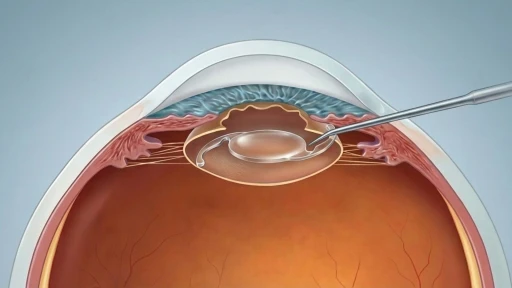
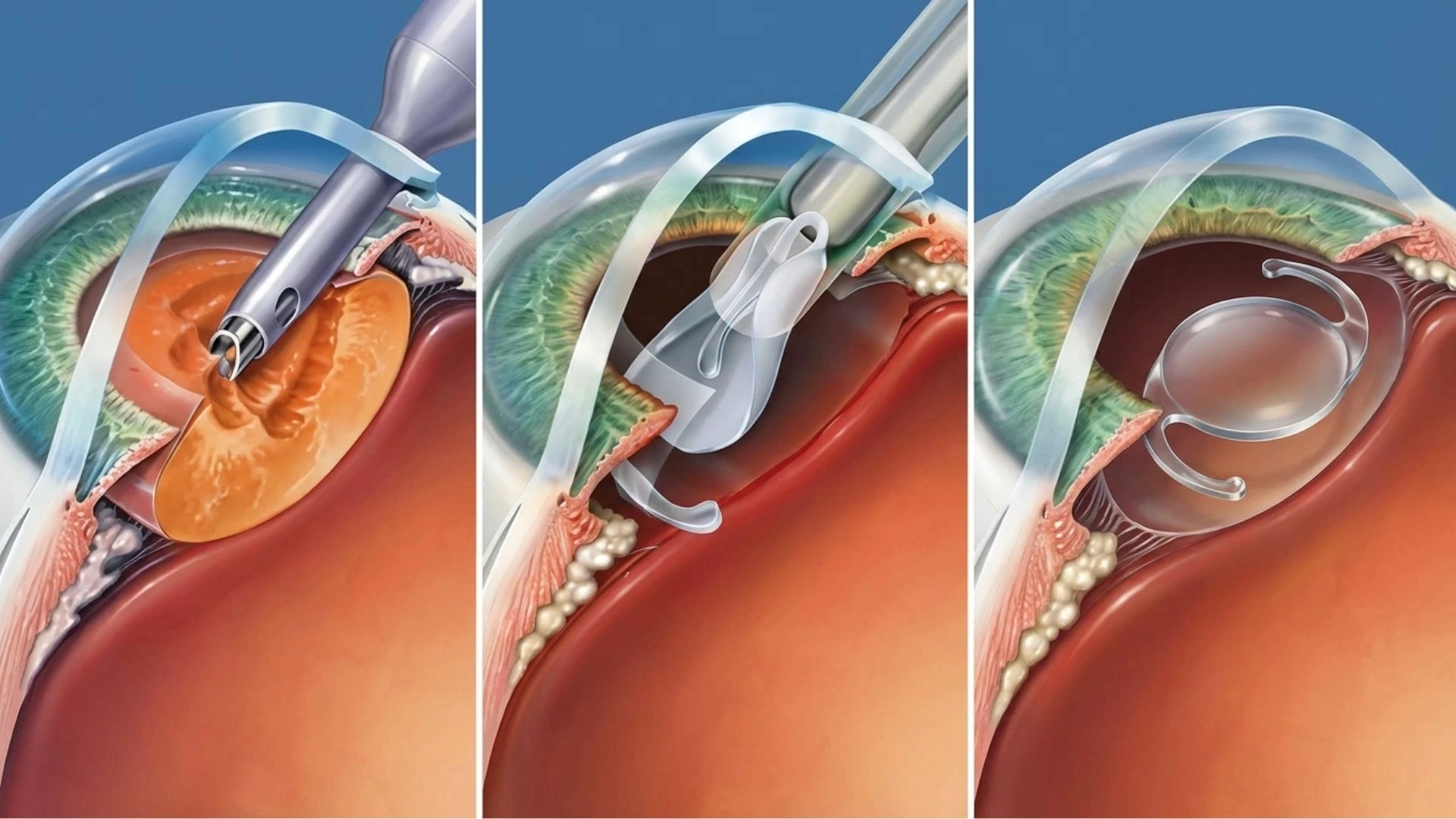
Cataract surgery removes the eye's clouded natural lens and replaces it with a clear artificial lens called an intraocular lens (IOL). This procedure is one of the most commonly performed surgeries worldwide, helping to restore vision affected by the gradual clouding that occurs with cataracts.
Understanding the Procedure
Modern cataract surgery, known as phacoemulsification, uses ultrasound energy to break up the clouded lens into tiny fragments, which are then gently removed through a small incision. The procedure has evolved significantly, with incisions now typically measuring just 2-3 millimetres.
According to the National Eye Institute, cataracts develop when proteins in the eye's lens break down and clump together, causing cloudy or blurred vision. While this is a natural part of ageing, surgery remains the only effective treatment once cataracts significantly affect daily activities.
Who May Benefit
Cataract surgery may be considered when:
Vision impairment affects daily activities such as reading, driving, or recognising faces
Glare from lights becomes troublesome, particularly when driving at night
Colours appear faded or yellowed
Frequent changes in spectacle prescription no longer provide adequate improvement
The cataract interferes with treatment of other eye conditions
The decision to proceed with surgery is made together with your ophthalmologist, based on how much the cataract affects your quality of life.
Intraocular Lens Options
A key part of cataract surgery is selecting the replacement lens. Options include:
Monofocal lenses provide clear vision at one distance (usually far), with spectacles needed for other distances.
Multifocal or extended depth of focus lenses aim to reduce dependence on spectacles for multiple distances, though some patients may experience visual phenomena such as halos.
Toric lenses correct pre-existing astigmatism alongside the cataract.
Your ophthalmologist will discuss which lens type may be most suitable based on your eyes, lifestyle, and visual needs.
The Surgical Experience
Cataract surgery is typically performed as a day procedure:
Local anaesthetic drops numb the eye; you remain awake but comfortable
The procedure usually takes 15-30 minutes
You can typically go home within an hour or two of the procedure
Most patients have one eye treated at a time, with the second eye done several weeks later
The American Academy of Ophthalmology provides detailed information on what patients can expect during cataract surgery.
Potential Risks
While cataract surgery has a strong safety record, all surgical procedures carry some risk:
Posterior capsule opacification (clouding behind the new lens) occurs in some patients months or years later and is easily treated with a brief laser procedure
Temporary increased eye pressure usually resolves within days
Infection is rare but serious, occurring in approximately 1 in 1,000 to 1 in 3,000 cases
Swelling, inflammation, or bleeding may occur
Retinal detachment is a rare but serious complication
Unexpected refractive outcome may mean spectacles are still needed
Your surgeon will discuss your individual risk factors during your consultation.
Recovery
Most patients notice improved vision within a few days, though complete healing takes several weeks. Research published in peer-reviewed journals consistently shows high rates of visual improvement following uncomplicated cataract surgery.
Colours often appear brighter immediately after surgery, and many patients describe it as "seeing through a clean window" for the first time in years.
Medical Disclaimer: This information provides general guidance about cataract surgery and should not replace professional medical advice. Individual outcomes vary based on eye health, the type of cataract, and other factors. All surgical procedures carry risks. Please consult with our ophthalmologists for a thorough evaluation and personalised recommendations.
Pre-Operative Care
Complete all required pre-operative assessments and measurements
Continue most regular medications unless specifically advised otherwise
Do not eat or drink for the specified time before surgery (usually 6 hours)
Arrange transportation home as you cannot drive on the day of surgery
Wear comfortable, loose clothing; avoid eye makeup
Begin any prescribed pre-operative eye drops as directed
Post-Operative Care
Seek immediate attention if you experience: Severe pain not relieved by paracetamol, sudden vision loss, increasing redness, or discharge from the eye.