Refractive Errors
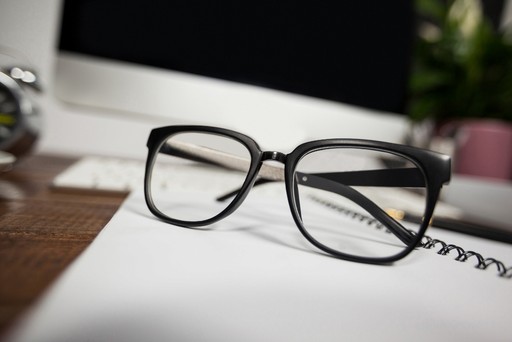
Refractive errors occur when the eye does not focus light accurately on the retina, causing blurred vision. Common types include myopia, hyperopia, astigmatism and presbyopia. They are usually corrected with glasses, contact lenses or refractive surgery.
Cornea
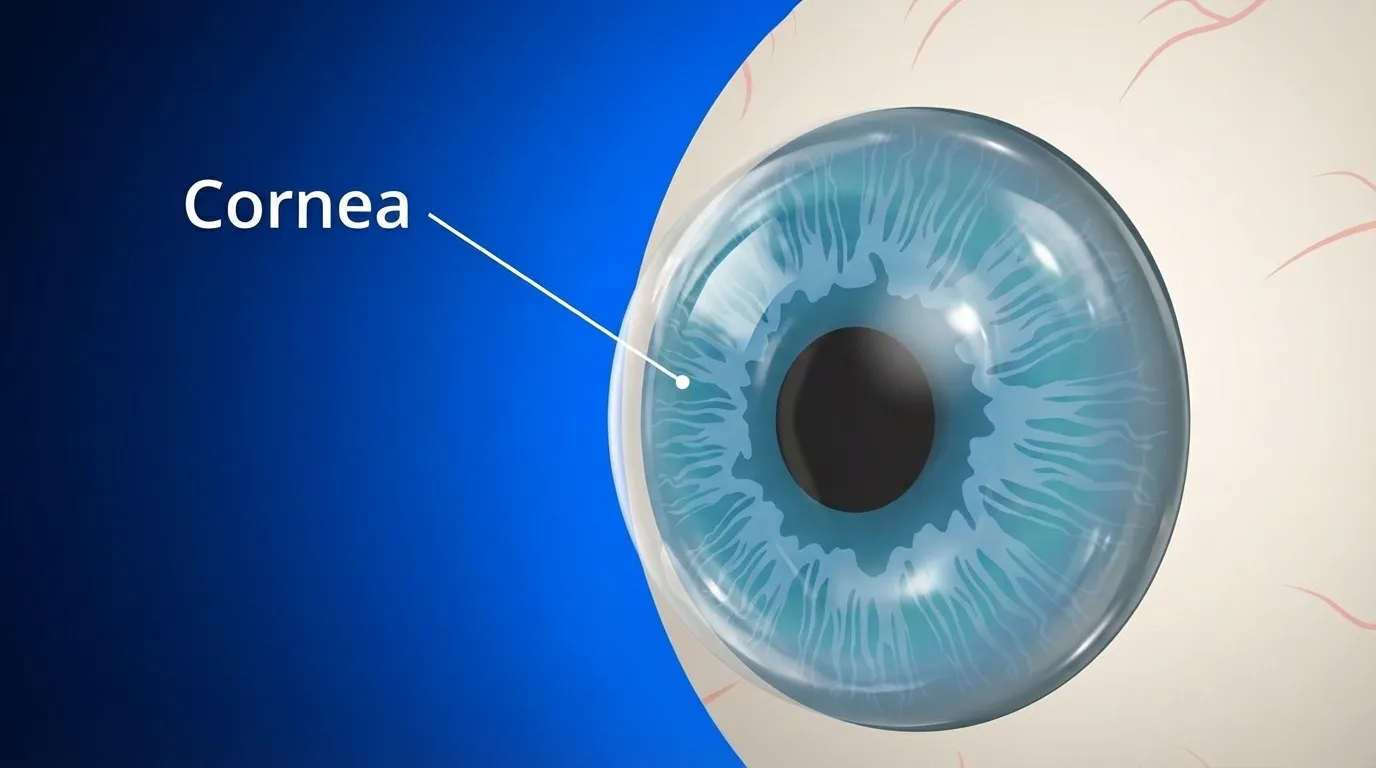
The cornea is the transparent front window of the eye that provides most focusing power. Diseases such as keratitis, keratoconus, pterygium and corneal oedema can cause pain, scarring or swelling, resulting in blurred vision and sometimes requiring transplantation.
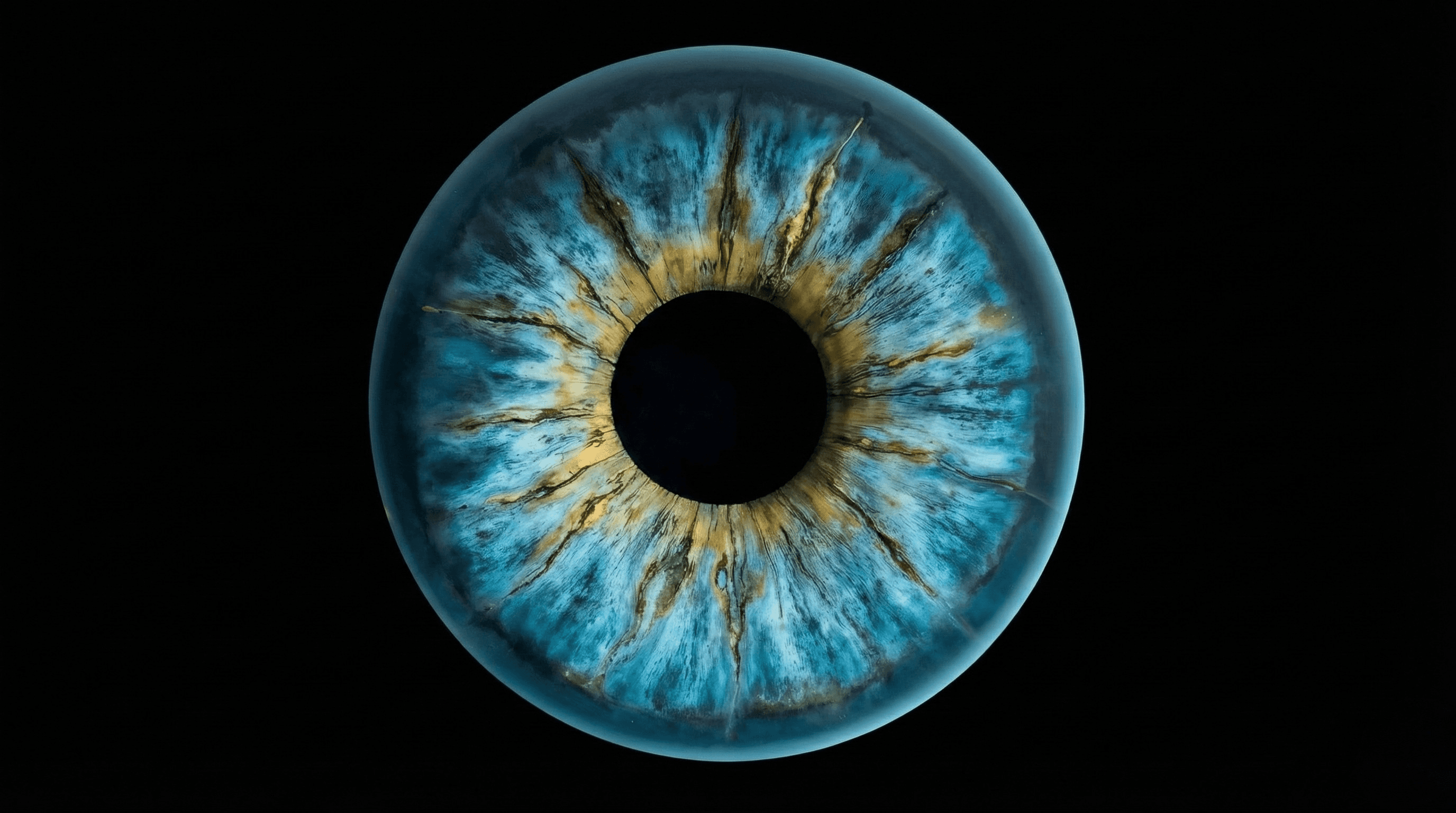
Iris
The iris is the coloured part of the eye that controls pupil size and regulates how much light enters. Disorders include iritis and uveitis, which cause pain, redness, light sensitivity and blurred vision, and may threaten sight if untreated.
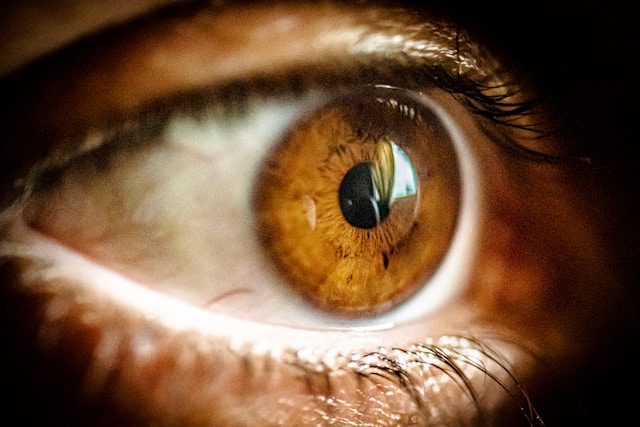
Lens
The crystalline lens is a clear, flexible structure behind the iris that fine‑tunes focus onto the retina. With age it becomes cloudy, forming cataract, or loses flexibility, causing presbyopia; treatment may involve spectacles or lens‑replacement surgery.
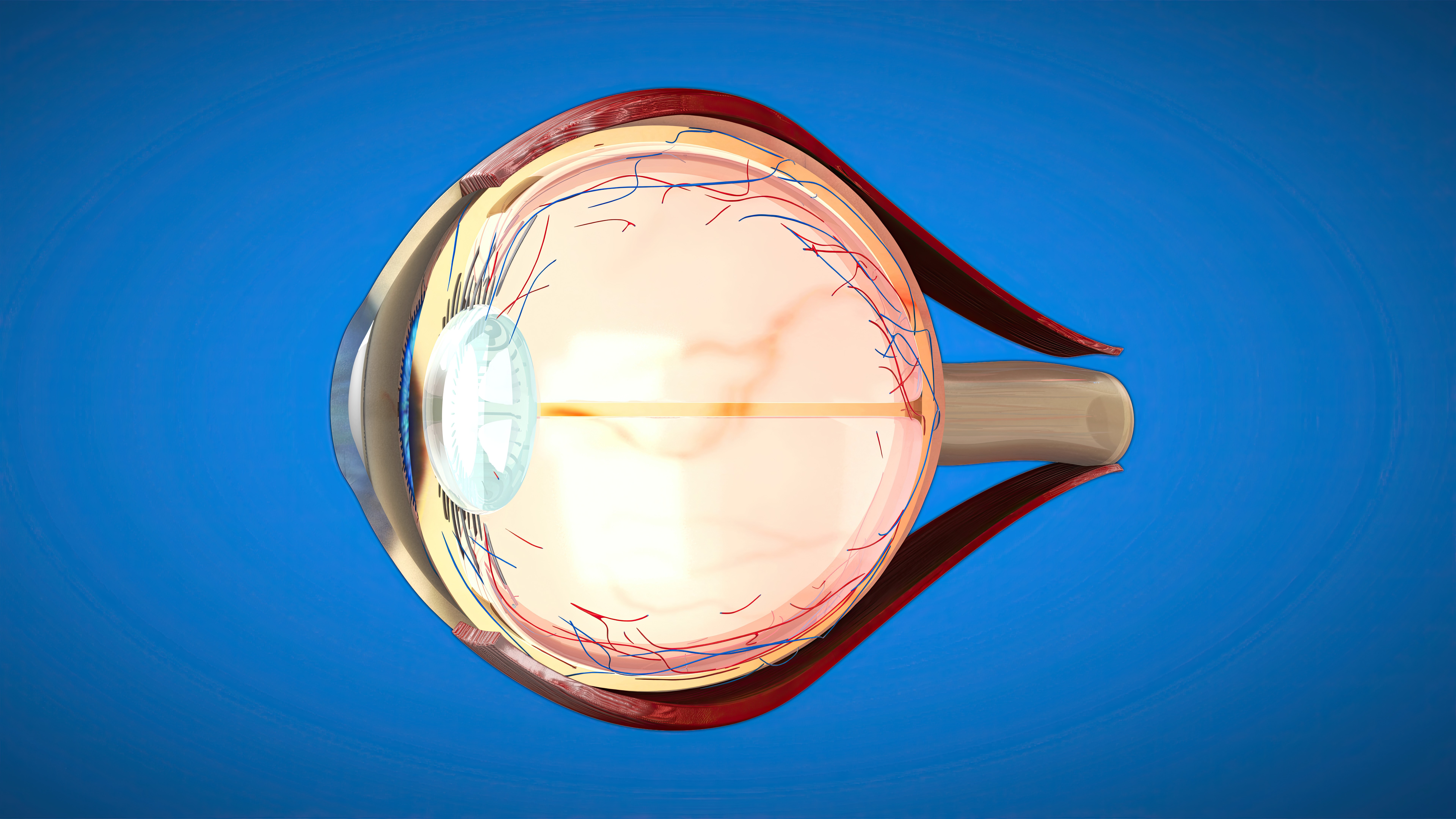
Virtreous
The vitreous is a clear gel filling the space between lens and retina, helping maintain eye shape. Age‑related degeneration or detachment can cause floaters and flashes and may predispose to retinal tears or detachment requiring urgent evaluation.
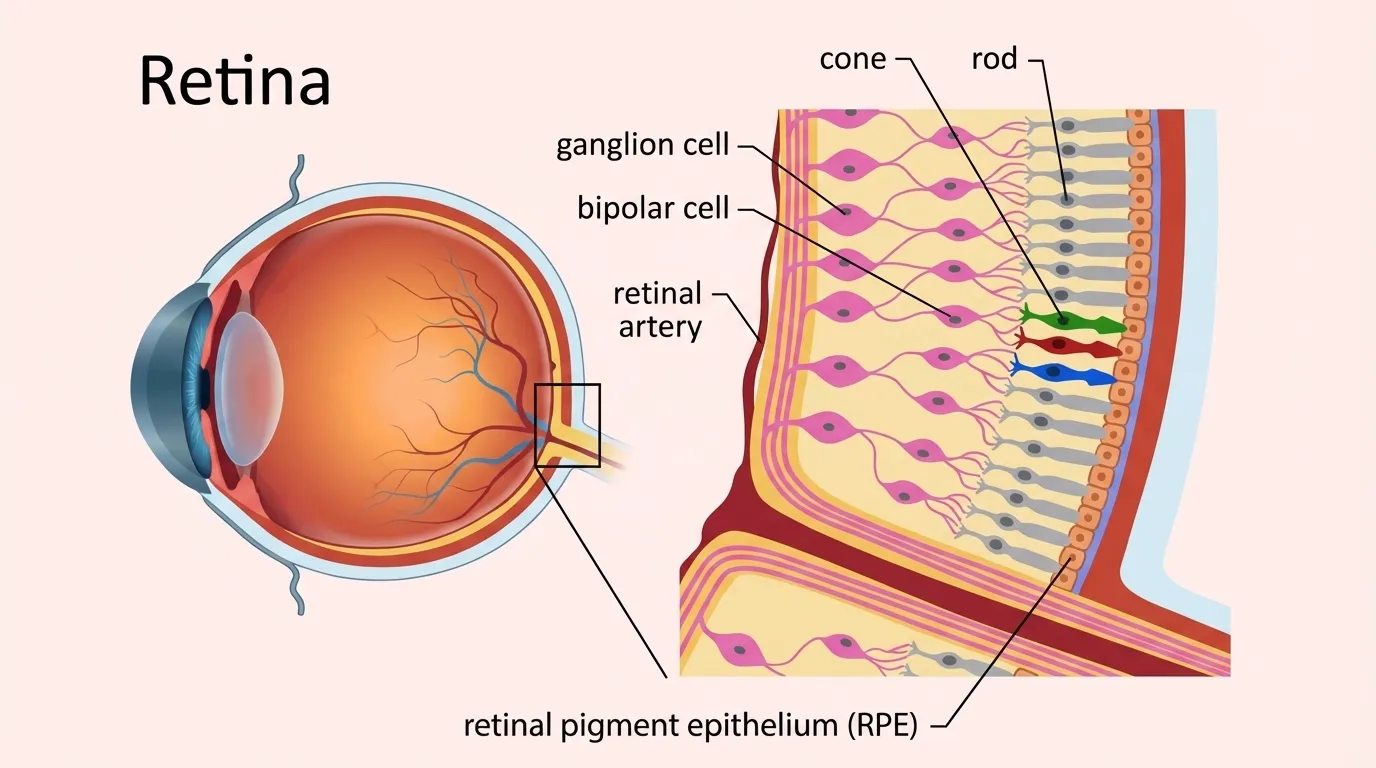
Retina
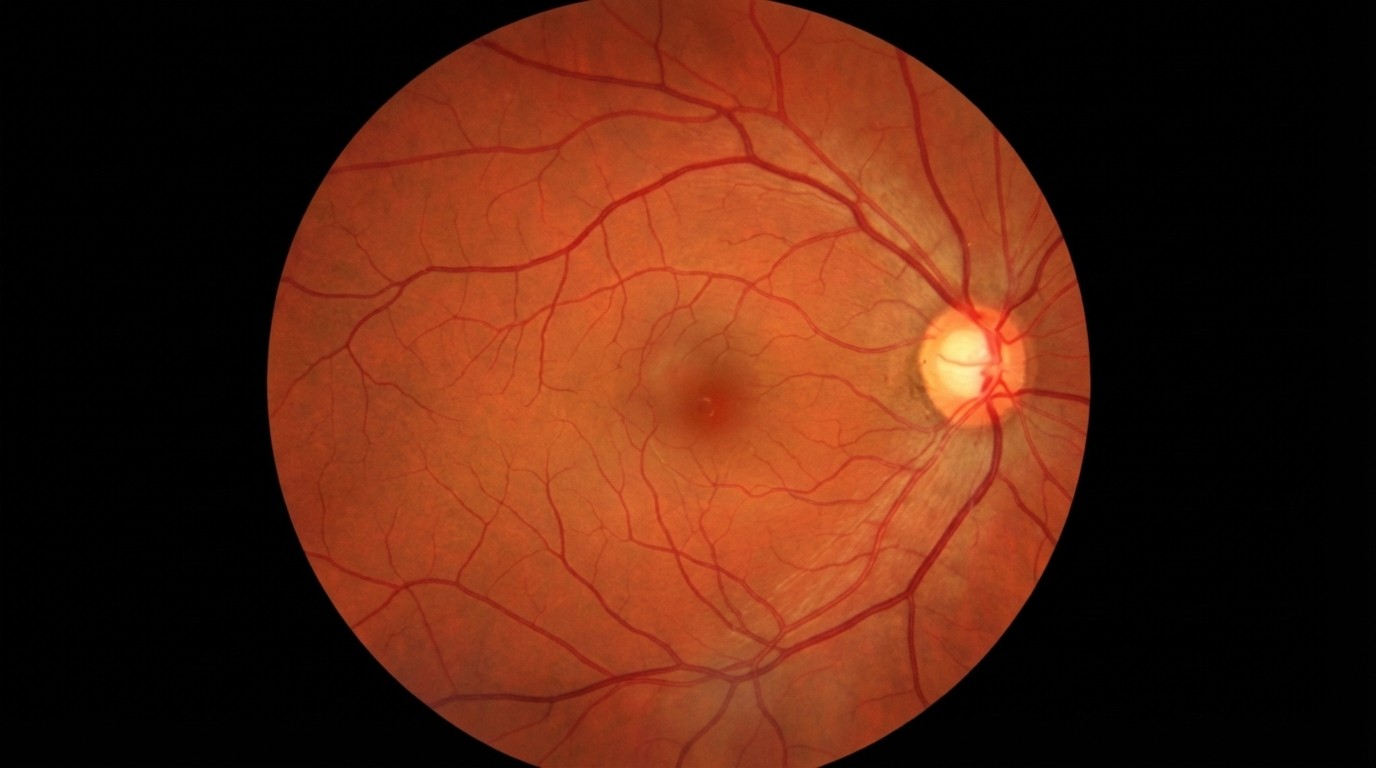
The retina is the light‑sensitive tissue lining the back of the eye, converting images into nerve signals. Conditions such as diabetic retinopathy, retinal detachment, macular degeneration and inherited retinal diseases can severely impair central or peripheral vision.
Optic Nerve
The optic nerve is a bundle of over a million nerve fibres transmitting visual signals from retina to brain. Conditions like glaucoma, optic neuritis and papilledema damage these fibres, leading to visual‑field loss and potentially permanent blindness.
Lids and Lashes
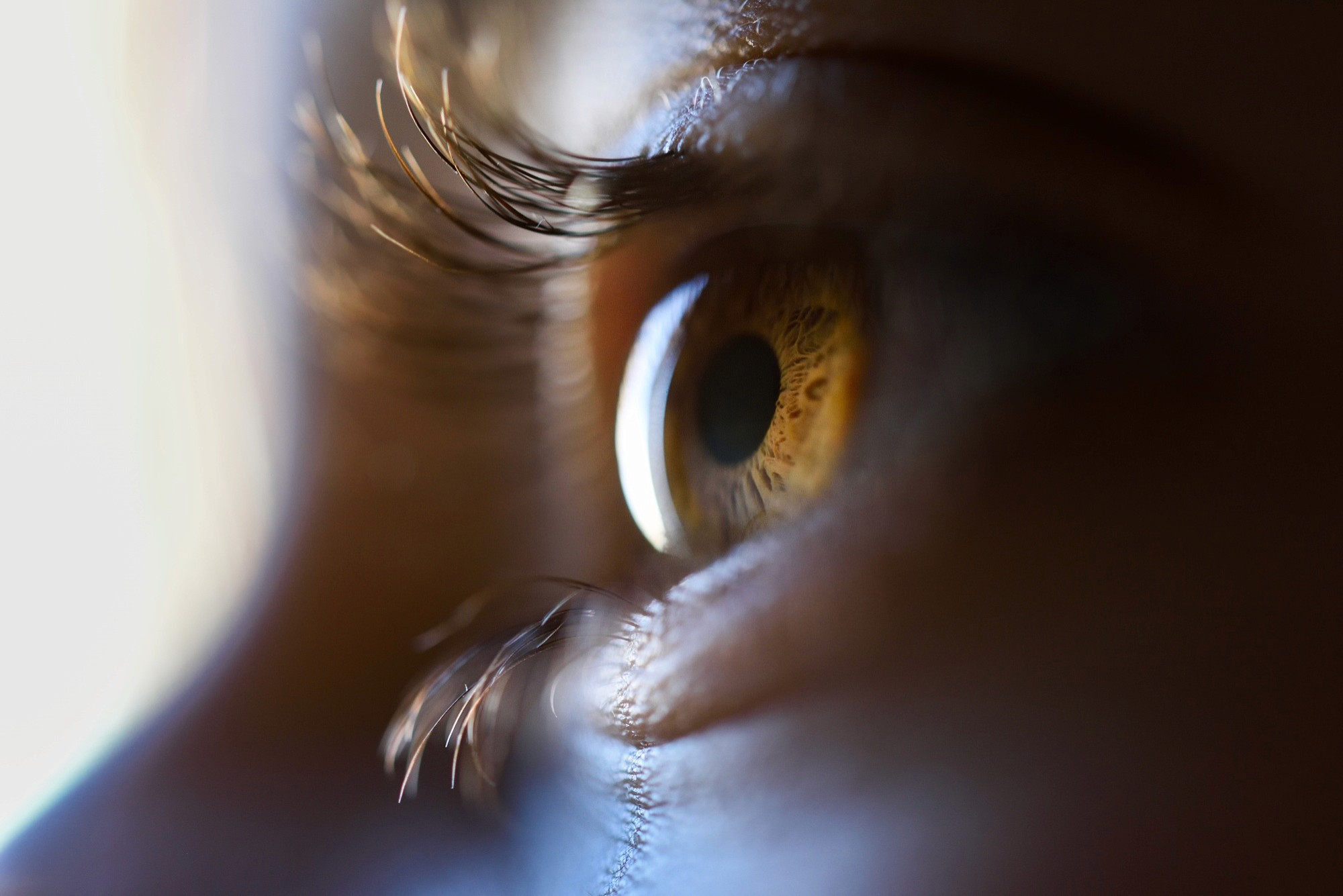
Eyelids and eyelashes protect the eye and distribute tears. Disorders like blepharitis, chalazion, stye, entropion, ectropion and ptosis cause redness, crusting, lumps, misdirected lashes or drooping lids, leading to irritation, infection, or visual disturbance if advanced.
Neuro Ophthalmology
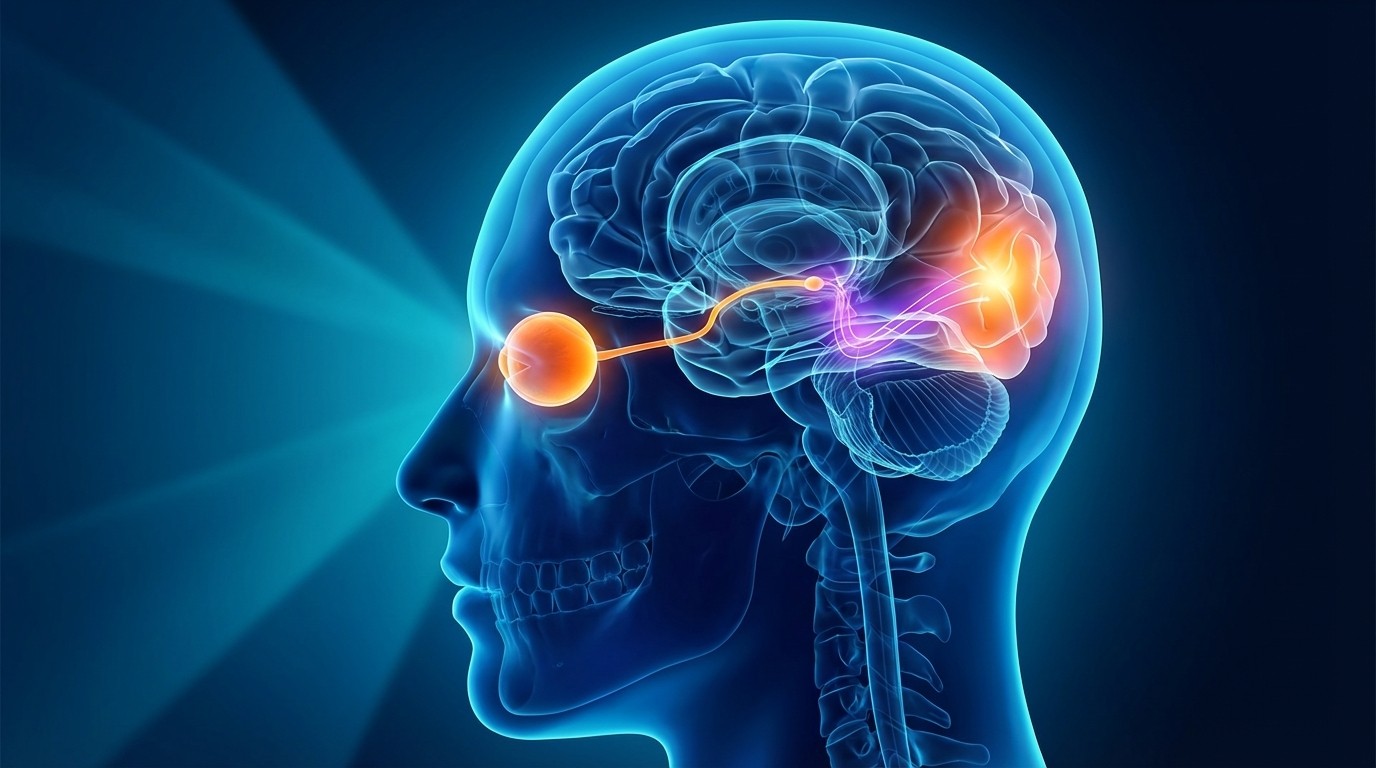
Neuro‑ophthalmology deals with visual problems arising from brain, optic nerve and eye‑movement pathway disorders. It covers optic neuropathies, visual‑field defects, double vision, papilledema, myasthenia gravis and related conditions, using specialised imaging and visual‑function testing for diagnosis and monitoring.
Paediatric Conditions
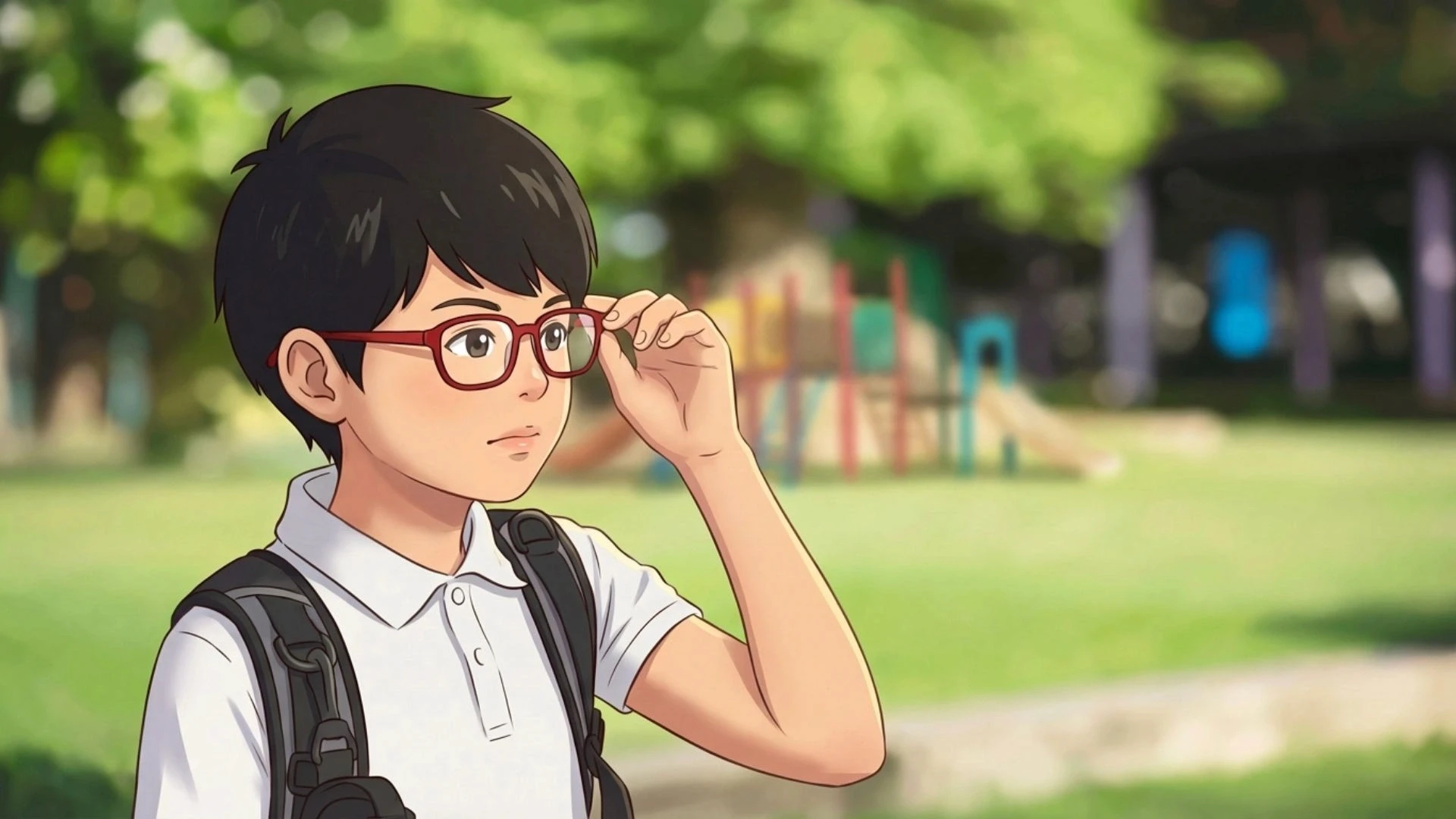
Paediatric eye conditions include refractive errors, amblyopia, strabismus, congenital cataract and retinopathy of prematurity. They can disrupt visual development, depth perception and learning; early screening, glasses, patching, surgery or other therapies are critical to prevent permanent vision loss.