Dry eye disease affects millions of people worldwide, causing discomfort that can significantly impact daily activities. Understanding the underlying causes of this condition is essential for effective management and knowing when professional help is needed. Recent research has revealed that dry eye is far more complex than previously thought, with multiple factors often contributing simultaneously.
Understanding Dry Eye Disease
Dry eye disease is a multifactorial condition characterised by tear film instability, hyperosmolarity, and ocular surface inflammation. The condition occurs when your eyes cannot produce enough tears or when the tears evaporate too quickly, leaving the ocular surface inadequately lubricated.
The tear film consists of three essential layers working in harmony. The innermost mucin layer helps tears adhere to the eye surface, whilst the middle aqueous layer provides hydration and nutrients. The outermost lipid layer, produced by the meibomian glands, prevents rapid evaporation. Disruption to any of these layers can trigger dry eye symptoms.
Primary Causes of Dry Eye
Meibomian Gland Dysfunction
Meibomian gland dysfunction is recognised as the most common cause of evaporative dry eye, occurring when oil-producing glands in the eyelids fail to secrete adequate lipids into the tear film. These glands line the edges of the eyelids and release oils with each blink to form a protective barrier.
When the meibomian glands become blocked or produce poor-quality oil, the tear film becomes unstable. This leads to accelerated evaporation and the characteristic symptoms of dryness, irritation, and blurred vision that temporarily improves with blinking.
Research indicates that ageing is a significant risk factor for meibomian gland dysfunction, as meibomian gland acinar epithelial cells atrophy with age, exhibiting decreased lipid production and altered composition. The condition can also develop due to hormonal changes, particularly androgen deficiency, which affects the quality and quantity of meibum produced.
Studies have shown that the prevalence of meibomian gland dysfunction in Asian populations can reach up to 74.5%, with a strong correlation between disease duration and gland atrophy. Amongst university staff and faculty members, prevalence rates of 32.3% have been documented, increasing significantly with age.
Environmental and Lifestyle Factors
Modern living presents numerous challenges to eye health. The COVID-19 pandemic has notably impacted dry eye prevalence, with increased screen time and inflammatory processes exacerbating the condition in many individuals.
Prolonged use of digital devices reduces blinking frequency, allowing tears to evaporate more rapidly. This phenomenon, often called digital eye strain, has become increasingly prevalent as remote work and digital entertainment consumption have risen. According to research, the estimated prevalence of dry eye disease in workers who use digital screens ranged from 9.5% to 87.5%.
Environmental conditions significantly influence dry eye development. Air pollution exposure has been associated with ocular surface pathology, manifesting as irritation, foreign body sensation, redness, and blurred vision. Particulate matter, ozone, and other pollutants can trigger chronic inflammation and oxidative stress on the ocular surface.
Research from China has demonstrated significant associations between dry eye outpatient visits and PM2.5, PM10, carbon monoxide, sulphur dioxide, and nitrogen dioxide. These associations exhibited gender and seasonal variations, with a particularly strong association observed during the cold season.
Low humidity environments, whether from air conditioning, heating systems, or naturally dry climates, accelerate tear evaporation. Wind exposure similarly increases evaporation rates whilst potentially introducing irritants that compound the problem.
Autoimmune Conditions
Several autoimmune diseases directly affect tear production. Sjögren syndrome is an autoimmune disorder in which glands producing tears and saliva are destroyed, causing dry mouth and dry eyes. This chronic condition predominantly affects women aged 40 to 50 years and represents one of the most severe forms of aqueous-deficient dry eye.
Recent evidence reveals that meibomian gland dysfunction is also a significant contributor in dry eye associated with Sjögren's disease, with studies showing severe meibomian gland damage and reduced tear lipid layer thickness. These findings challenge the traditional view of Sjögren's dry eye as solely aqueous-deficiency and highlight the role of evaporative dry eye.
Other autoimmune conditions associated with dry eye include rheumatoid arthritis, systemic lupus erythematosus, and thyroid disorders. These conditions can cause inflammation in the tear-producing glands or affect the stability of the tear film through various mechanisms.
Hormonal Influences
Hormonal changes play a crucial role in dry eye development, particularly in women. Pregnancy, menopause, and hormonal contraceptive use can all affect tear production and composition. The meibomian glands contain androgen receptors, making them particularly sensitive to hormonal fluctuations.
Oestrogen therapy and medications that decrease androgen levels have been identified as potential contributors to meibomian gland dysfunction, affecting both the quantity and quality of the lipid layer in tears.
Medications
Numerous commonly prescribed medications can contribute to dry eye symptoms. Antihistamines, decongestants, and certain antidepressants can reduce tear production as a side effect. Blood pressure medications, particularly beta-blockers, and some glaucoma treatments have also been linked to dry eye symptoms.
Topical medications including epinephrine, beta-blockers, prostaglandin analogues, and carbonic anhydrase inhibitors have been identified as underlying risk factors that can lead to meibomian gland dysfunction.
Age and Demographic Factors
Age represents one of the most significant non-modifiable risk factors for dry eye disease. As we age, tear production naturally decreases, and the meibomian glands undergo structural changes that reduce their efficiency. The condition becomes increasingly prevalent in individuals over 50 years.
Conservative prevalence estimates suggest that 10–20% of the population over 40 years of age report moderate to severe symptoms and seek treatment for dry eye disease. Women are disproportionately affected, likely due to hormonal influences on tear production and gland function.
Interestingly, dry eye disease prevalence amongst children has been estimated at 23.7%, with the prevalence significantly higher following the COVID-19 pandemic outbreak at 44.1% compared to 18.7% before the pandemic. This alarming trend highlights the impact of lifestyle changes and increased digital device usage amongst younger populations.
Contact Lens Wear
Contact lens use represents a modifiable risk factor for dry eye development. Lenses can disrupt the tear film, reduce oxygen supply to the cornea, and alter the ocular surface environment. Long-term contact lens wear has been associated with meibomian gland changes and reduced tear stability.
Proper lens hygiene, appropriate wearing schedules, and regular breaks from lens wear can help mitigate these effects. However, some individuals may need to reduce lens wear or switch to alternative vision correction methods if dry eye symptoms persist.
Inflammatory Processes
Tear film hyperosmolarity is a central pathological change in dry eye disease, inducing inflammatory responses through various mechanisms, including the release of pro-inflammatory cytokines such as interleukin-1 beta, interleukin-6, and tumour necrosis factor-alpha.
This creates a vicious cycle where inflammation worsens tear film stability, leading to increased evaporation and further inflammation. The inflammatory cascade can attract and activate immune cells, perpetuating ocular surface damage.
Recognising the Symptoms
Dry eye manifests through various symptoms that can range from mild to severe. Common complaints include:
A persistent gritty or sandy sensation in the eyes
Burning or stinging feelings
Redness and visible irritation
Excessive tearing, paradoxically occurring as the eyes attempt to compensate for dryness
Blurred vision that improves with blinking
Light sensitivity
Difficulty wearing contact lenses
Eye fatigue, particularly after reading or screen use
Research has revealed that dry eye significantly increases the risk of developing depression, anxiety, fibromyalgia, and chronic fatigue, suggesting that dry eye may serve as an early indicator or contributing factor to psychological distress. This connection underscores the importance of addressing dry eye comprehensively rather than dismissing it as a minor inconvenience.
When to See Your Doctor
Whilst mild, occasional dry eye symptoms may respond to over-the-counter artificial tears, several circumstances warrant professional evaluation:
Seek immediate medical attention if you experience:
Sudden, severe eye pain
Rapid vision changes or loss
Eye trauma or injury
Discharge suggesting infection
Schedule a routine consultation if you have:
Persistent symptoms lasting more than a few days despite using artificial tears
Symptoms interfering with daily activities such as reading, driving, or working
Known autoimmune conditions affecting your eyes
Recent changes in medications that coincide with dry eye symptoms
Difficulty wearing contact lenses due to discomfort
Recurrent eye infections or inflammation
Early intervention can prevent complications and improve outcomes. Your eye care professional can perform comprehensive assessments including tear film evaluation, meibomian gland imaging, and inflammatory marker testing to determine the underlying causes of your symptoms.
The Importance of Comprehensive Assessment
Modern dry eye diagnosis extends beyond simple symptom assessment. Tear film-oriented diagnosis and therapy are crucial for managing dry eye in autoimmune disease, improving patient quality of life. This approach evaluates the specific characteristics of your tear film to guide targeted treatment.
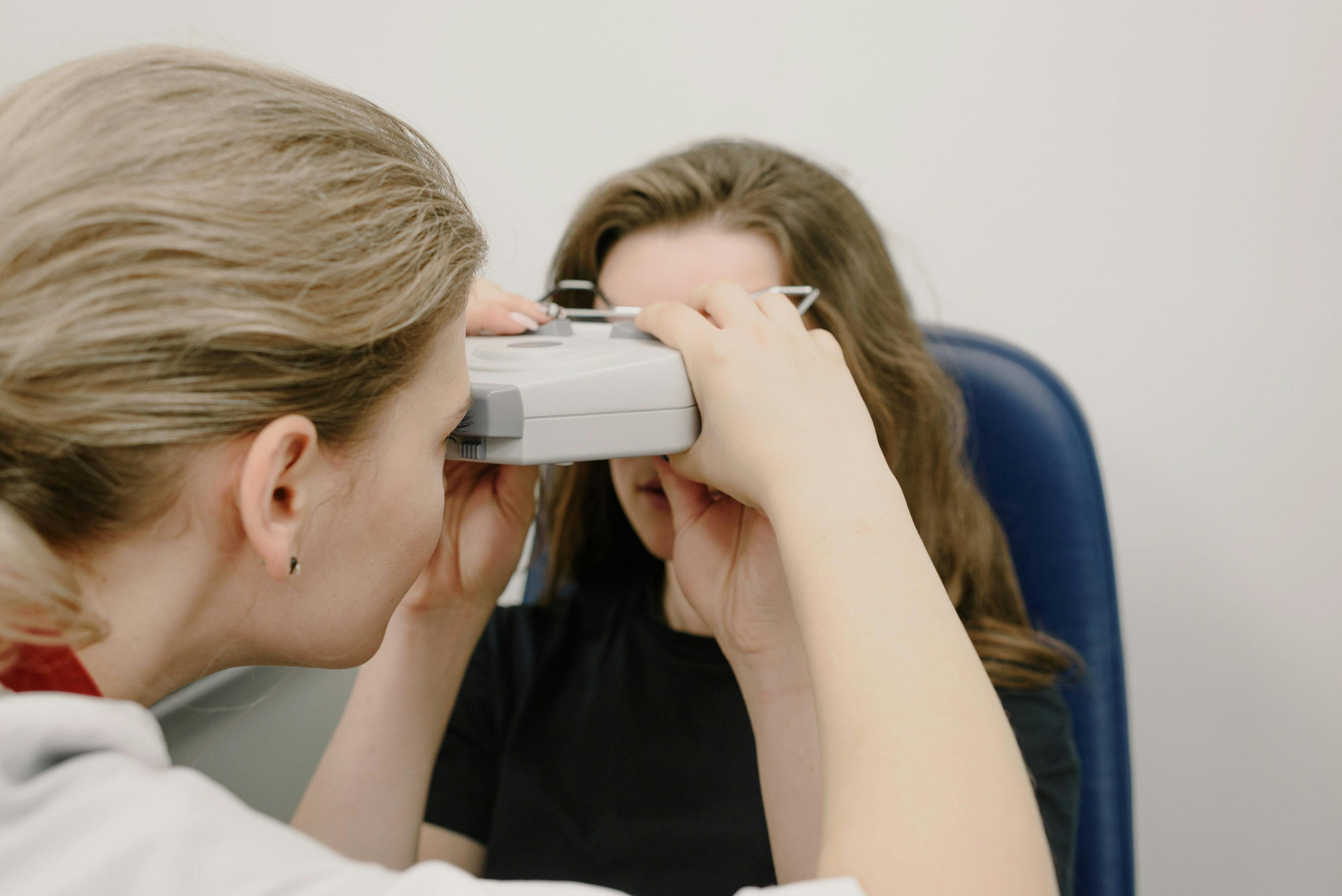
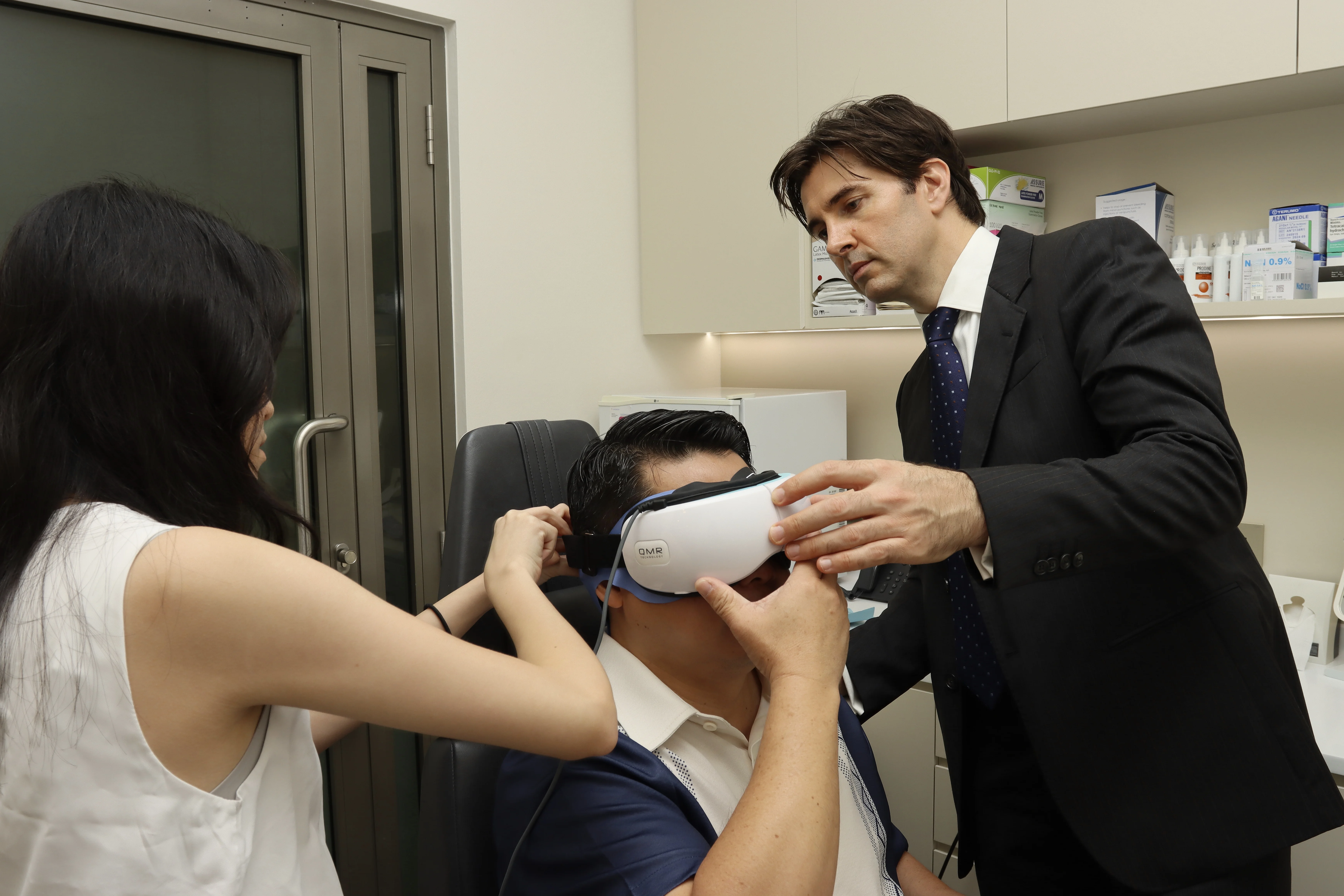
Advanced diagnostic tools now available include meibography, which uses infrared imaging to visualise meibomian gland structure, tear osmolarity testing to measure tear film salt concentration, and tear break-up time assessment to evaluate tear film stability. These objective measurements help clinicians understand the specific mechanisms contributing to your dry eye.
Taking Action
Understanding the multifactorial nature of dry eye disease empowers you to take proactive steps. Whilst some risk factors like age and genetics cannot be modified, many contributing factors can be addressed through lifestyle adjustments, environmental modifications, and appropriate medical treatment.
If you suspect you have dry eye disease, particularly if symptoms persist or worsen, consulting with an eye care professional is essential. They can identify the underlying causes specific to your situation and develop a personalised treatment plan to restore comfort and protect your long-term eye health.
Medical Disclaimer: This article provides general information about dry eye disease and is not intended as personalised medical advice. Always consult a qualified eye care professional for diagnosis and treatment recommendations specific to your individual circumstances. Do not delay seeking professional help if you experience concerning eye symptoms.