Eye Screening in Singapore: A Complete Guide
Maintaining healthy vision requires more than simply seeking medical care when your sight becomes blurry. Eye screening is a fundamental component of preventive healthcare, designed to identify vision problems and eye diseases before symptoms develop. These comprehensive assessments evaluate both visual function and ocular health through a series of specialised tests performed by qualified eye care professionals. Understanding the importance, types, and frequency of eye screening can help individuals maintain optimal vision throughout their lives.
What is Eye Screening?
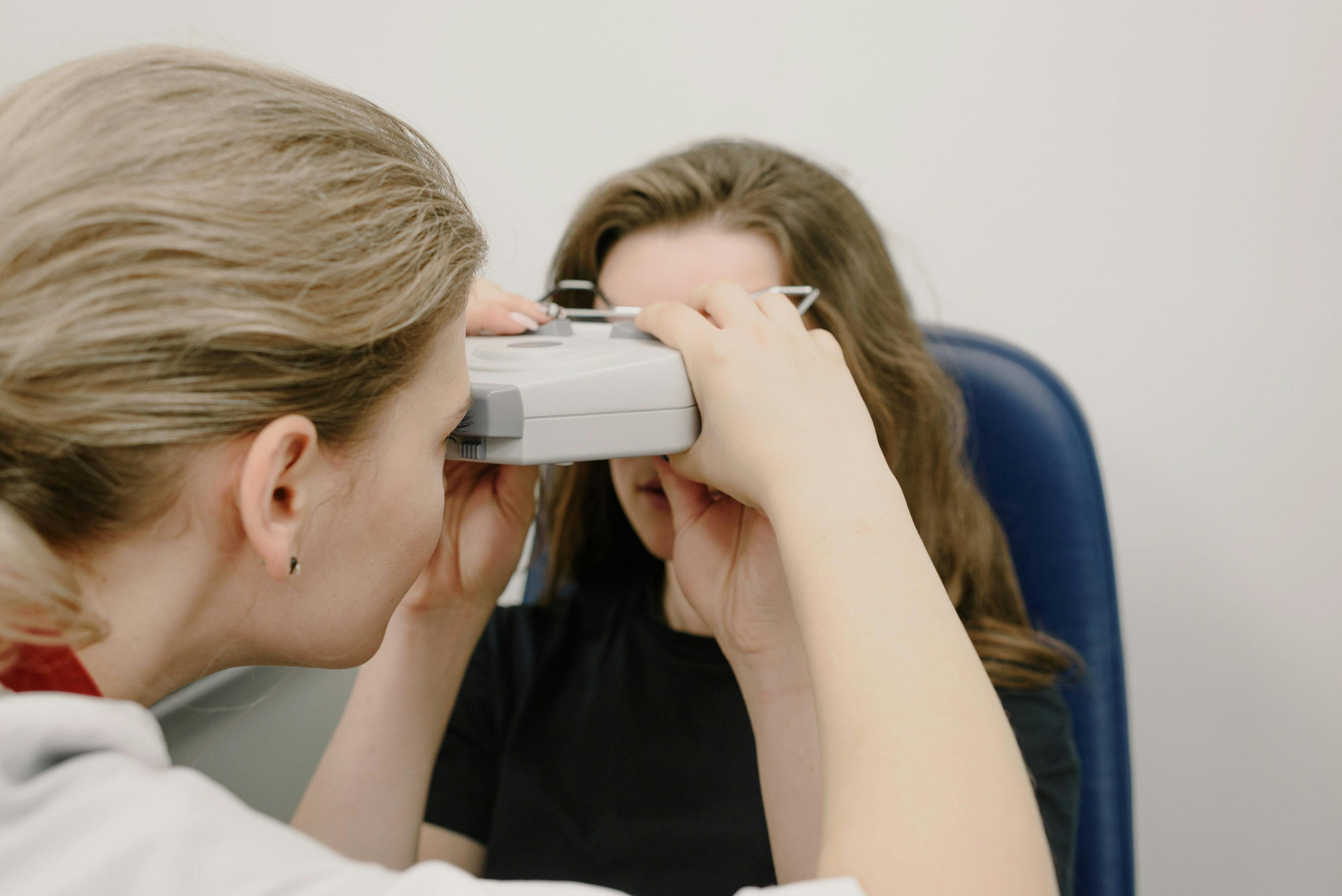
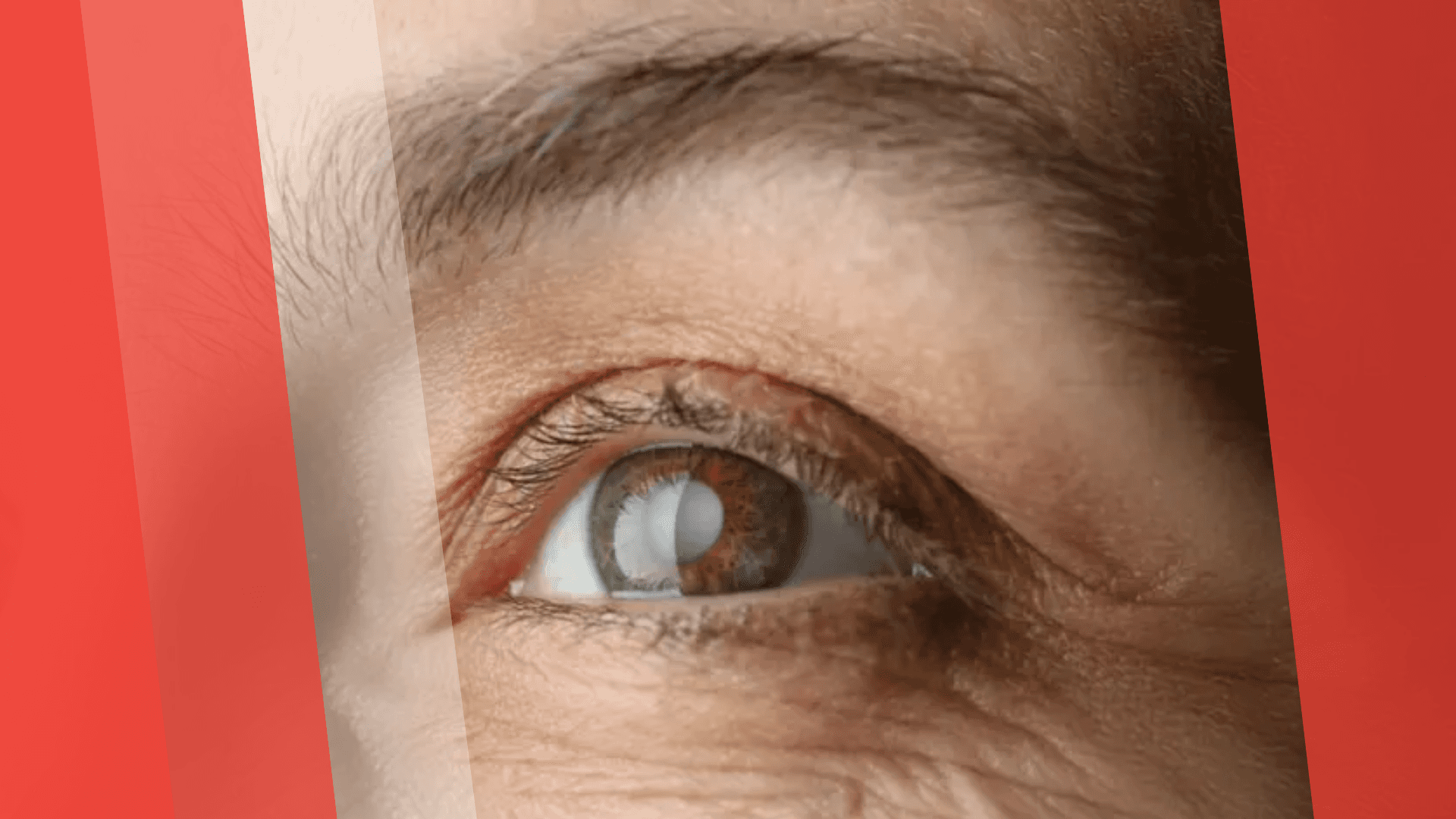
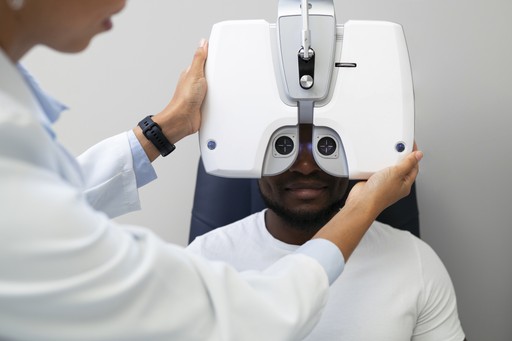
Eye screening encompasses a series of diagnostic tests that assess vision quality and detect potential eye conditions. These tests are usually quick, painless, and effective at identifying issues early-often before symptoms appear. Unlike basic vision tests conducted at some optical shops, comprehensive eye screenings provide detailed evaluations of eye health, including checks for glaucoma, cataract, diabetic retinopathy, and age-related macular degeneration.
The screening process differs significantly from routine vision checks. While a simple vision test primarily measures visual acuity to determine prescription needs, comprehensive eye screening examines the entire visual system. This includes assessing the cornea, lens, retina, optic nerve, and blood vessels within the eye. Such thorough evaluation enables early detection of conditions that may not yet affect vision but could lead to problems if left untreated.
Types of Eye Screening Tests
Several standard tests form the foundation of comprehensive eye screening. Visual acuity testing measures clarity of vision at various distances using standardised eye charts. This basic assessment helps identify refractive errors such as myopia, hyperopia, and astigmatism that may require corrective lenses.
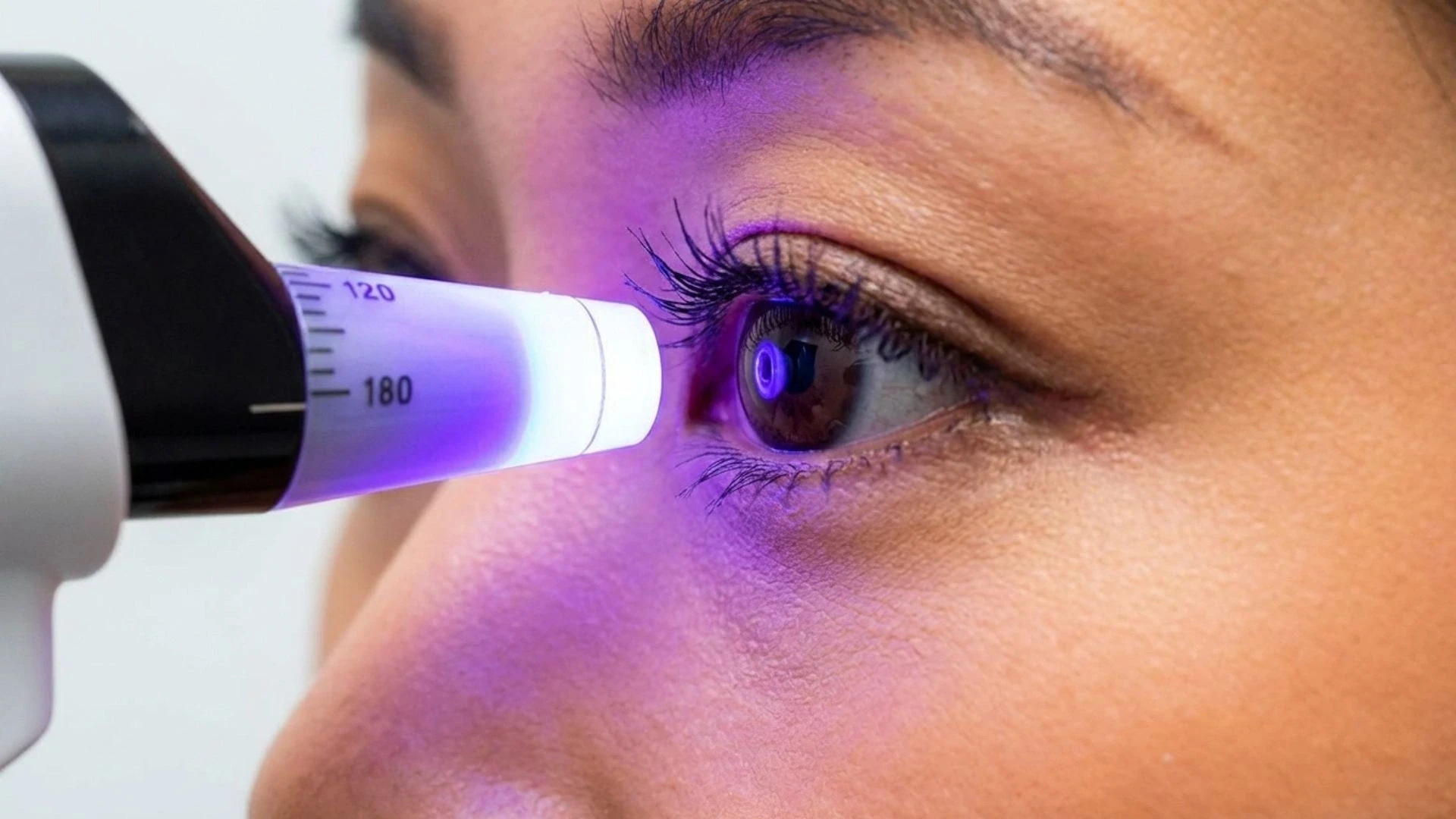
Eye pressure test (tonometry) checks for glaucoma, a condition where elevated eye pressure (intraocular pressure) can damage the optic nerve. Early detection through tonometry is extremely important because glaucoma often develops and progresses without noticeable symptoms until substantial vision loss occurs. Regular pressure measurements allow for timely intervention and management.
Refraction testing determines the precise prescription needed for glasses or contact lenses. This examination helps correct vision problems and ensures optimal clarity for daily activities. The process involves using different lenses to identify which combination provides the sharpest vision.
Slit lamp examination enables detailed microscopic evaluation of the eye's front structures. This test can reveal corneal diseases, cataract, and other abnormalities affecting the anterior segment. The specialised equipment provides magnified views that help detect early changes requiring attention.
Retinal examination assesses the back of the eye, including the retina, macula, and optic nerve. Retinal imaging captures detailed images to spot issues like diabetic retinopathy or macular degeneration. This non-invasive imaging technology allows practitioners to document and monitor changes over time, facilitating early intervention when necessary.
Visual field testing evaluates the eye's light sensitivity in the central and peripheral visual fields, checking for blind spots that may indicate glaucoma or neurological conditions. This test maps the entire field of view, helping identify areas of vision loss that patients may not notice during daily activities.
Recommended Screening Frequency
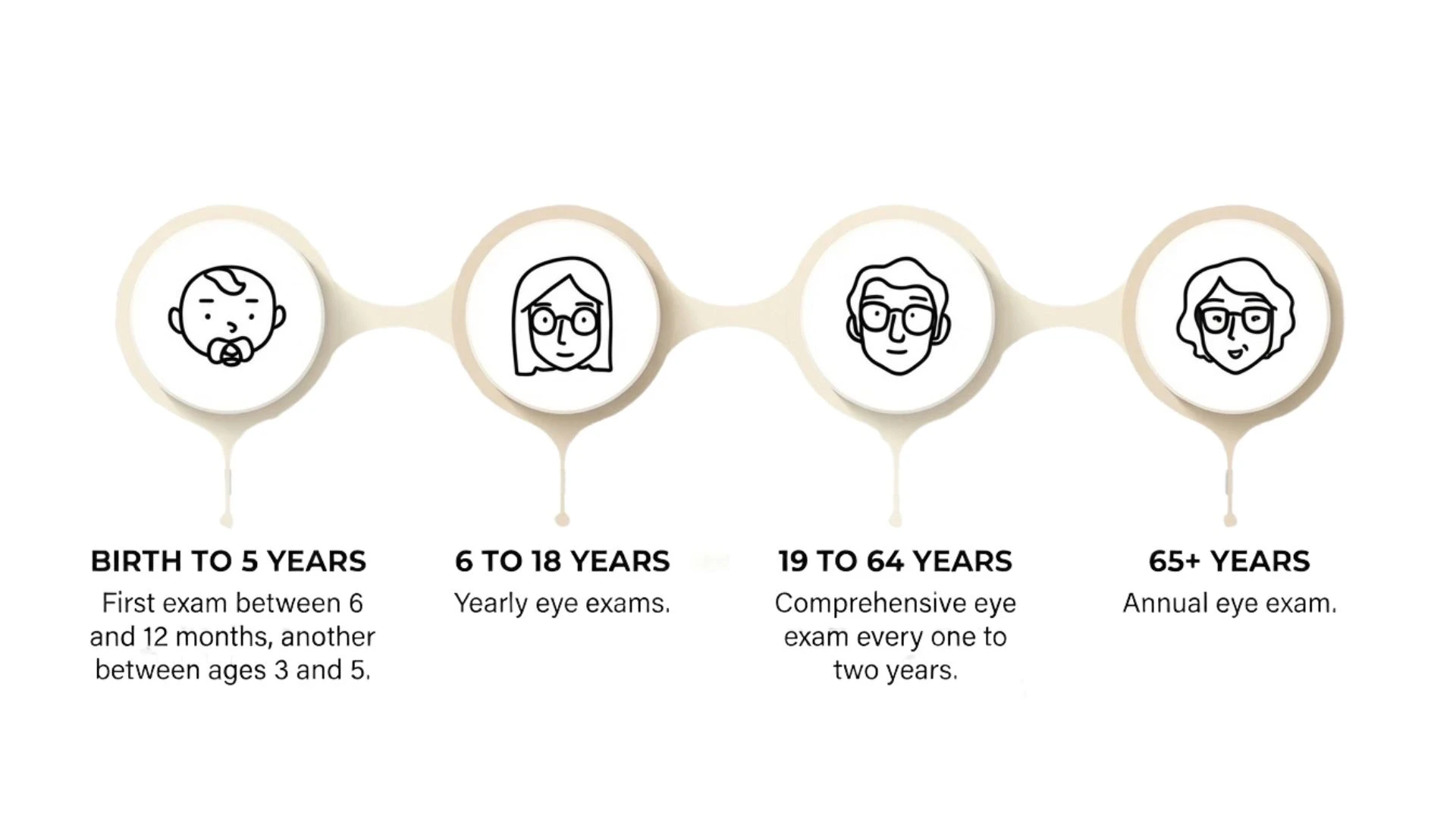
The appropriate frequency for eye screening varies based on age, risk factors, and existing conditions. Children should receive their first comprehensive eye examination during infancy, with subsequent checks around age three and before entering primary school. Regular childhood screenings are essential for detecting conditions like myopia, astigmatism, amblyopia (lazy eye) and strabismus (squint) that require early intervention.
Singapore has one of the highest myopia rates globally, with 26% of Primary 1 children affected as of 2023. Early screening and intervention can help slow myopia progression in children.
Young adults aged eighteen to thirty-nine without risk factors generally require eye examinations every two years. However, individuals who wear corrective lenses, experience vision changes, or have family history of eye disease may need more frequent assessments.
Individuals in their forties and fifties should schedule eye screenings every year. This period marks the onset of age-related changes including presbyopia, where focusing on near objects becomes difficult. More frequent monitoring helps detect early signs of cataracts, glaucoma, and other conditions that become more common with advancing age.
Seniors aged 60 and above should also undergo yearly eye examinations to monitor for age-related conditions such as cataracts, glaucoma, and macular degeneration. There is a higher prevalence of sight-threatening conditions in older adults compared to young adults.
Eye Screening for High-Risk Groups
Certain individuals require more frequent eye screening regardless of age. People with diabetes should undergo comprehensive eye examinations annually, as diabetes increases the risk of diabetic retinopathy and other vascular complications affecting the eyes. Early detection through regular screening allows for interventions that can help preserve vision.
In Singapore, the SEED study found that 83.3% of diabetic retinopathy cases were undiagnosed, and 72.1% of glaucoma cases remained undetected until screening. This underscores the importance of regular comprehensive eye screenings, particularly for adults aged 40 and above.
Individuals with family history of eye disease face elevated risk for conditions like glaucoma and macular degeneration. More frequent screening helps detect these hereditary conditions early when treatment may be more effective. Similarly, people with myopia, especially high myopia (-5.00 dioptres or worse), require regular monitoring for retinal complications including retinal tears and retinal detachment.
Those taking medications with potential ocular side effects such as hydroxychloroquine (Plaquenil) and amiodarone (Cordarone) need periodic eye examinations to monitor for drug-related changes. Regular screening allows healthcare providers to adjust treatment plans if concerning changes develop.
Patients with hypertension benefit from routine eye screening because elevated blood pressure can damage retinal blood vessels. Eye examinations often reveal hypertensive changes that provide insights into systemic disease control.
Benefits and Limitations
Regular comprehensive eye screening provides advantages beyond simply updating spectacle prescriptions. Early disease detection is a significant benefit, as many serious eye conditions develop gradually without symptoms. Identifying problems in their initial stages often allows for more timely treatment intervention.
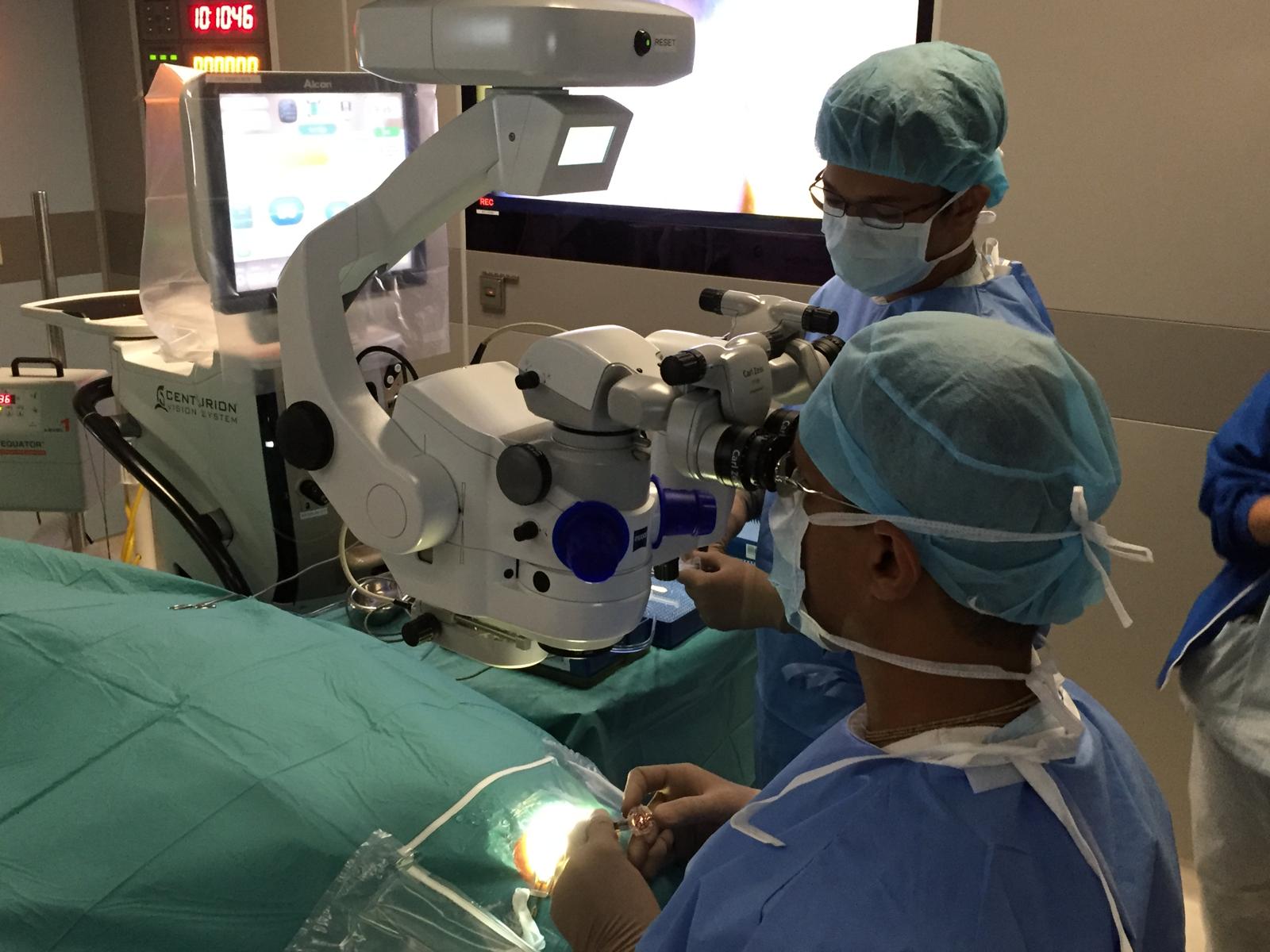
Eye screening can also reveal systemic health problems. Underlying medical conditions like diabetes or high blood pressure often manifest early warning signs in the eyes. However, screening tests cannot diagnose diseases definitively-they identify individuals who require further evaluation. Positive screening results necessitate a more comprehensive examination by an ophthalmologist for definitive diagnosis and treatment planning.
Some conditions may not be detectable through standard screening protocols. Patients experiencing symptoms should seek a comprehensive consultation with an ophthalmologist instead of scheduling for an eye screening.
Conclusion
Eye screening serves as a cornerstone of preventive eye care, enabling early detection of vision problems and eye diseases. Regular comprehensive examinations appropriate to age and risk factors help support vision health throughout life. Individuals should discuss appropriate screening schedules with their eye care professionals based on personal risk factors and health status.
Medical Disclaimer: This article provides general information about eye screening and should not be considered medical advice. Individual screening needs vary based on age, health status, and risk factors. Consult a qualified eye care professional for personalised recommendations regarding eye examination frequency and appropriate tests for your specific situation. Do not delay seeking professional care if you experience vision changes or eye-related symptoms.