Optometric Services: Professional Vision Care
Understanding the Scope of Professional Eye Care
Optometric services form a fundamental component of preventive healthcare, encompassing a range of diagnostic procedures and treatment options designed to maintain optimal visual function throughout life. These services extend beyond basic vision correction to include comprehensive assessments of eye health, early detection of visual disorders, and management of various conditions affecting visual performance. When delivered as part of an integrated eye care system, comprehensive optometric services can significantly improve patient outcomes and quality of life.
Refractive Error Assessment and Correction
The foundation of optometric practice involves the accurate measurement and correction of refractive errors. These optical imperfections affect more than 2.3 billion individuals globally and represent the most common reason for seeking professional eye care. Refractive conditions including myopia, hyperopia, astigmatism, and presbyopia require precise diagnostic evaluation to determine appropriate corrective measures.
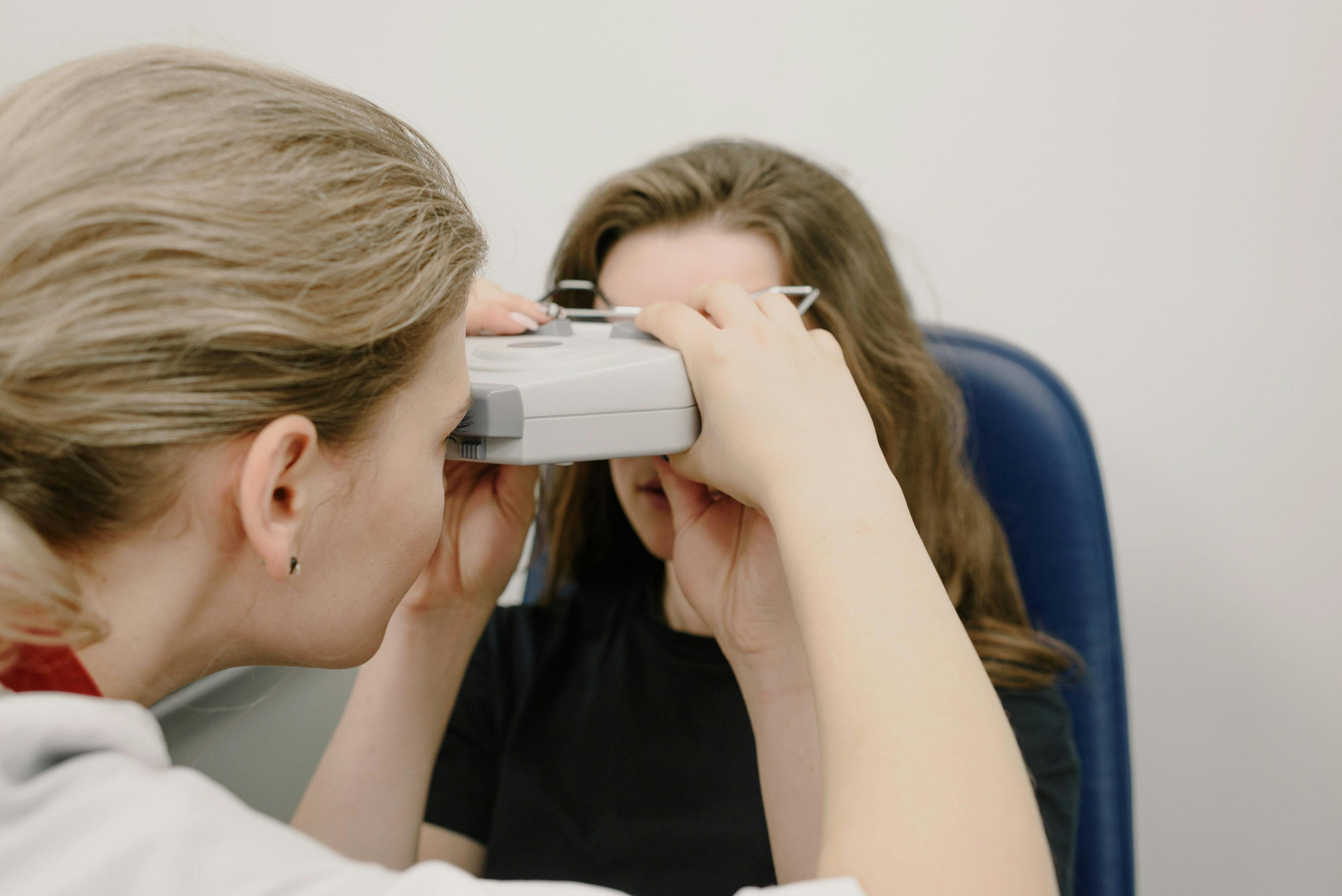
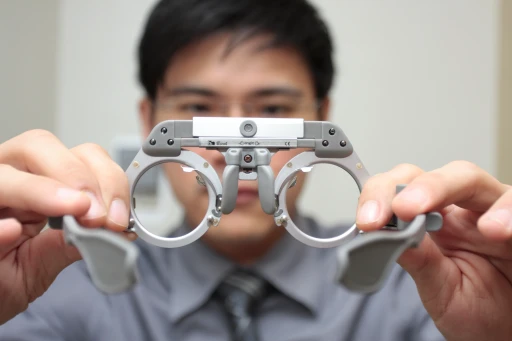
Modern refractive assessment combines both objective and subjective techniques. Objective refraction utilises automated instruments that measure the eye's optical properties without active patient participation, whilst subjective refraction involves presenting corrective lenses and systematically refining the prescription based on patient responses. This dual approach ensures accuracy whilst accounting for individual variations in visual perception and comfort requirements.
For individuals whose visual demands vary throughout the day, different correction options may be recommended. Optical correction strategies include monofocal lenses for single viewing distances, bifocal or progressive lenses for multiple focal points, and specialised designs for specific activities such as computer work. The choice of corrective approach depends on factors including age, occupation, lifestyle requirements, and the presence of additional visual conditions.
Binocular Vision Evaluation
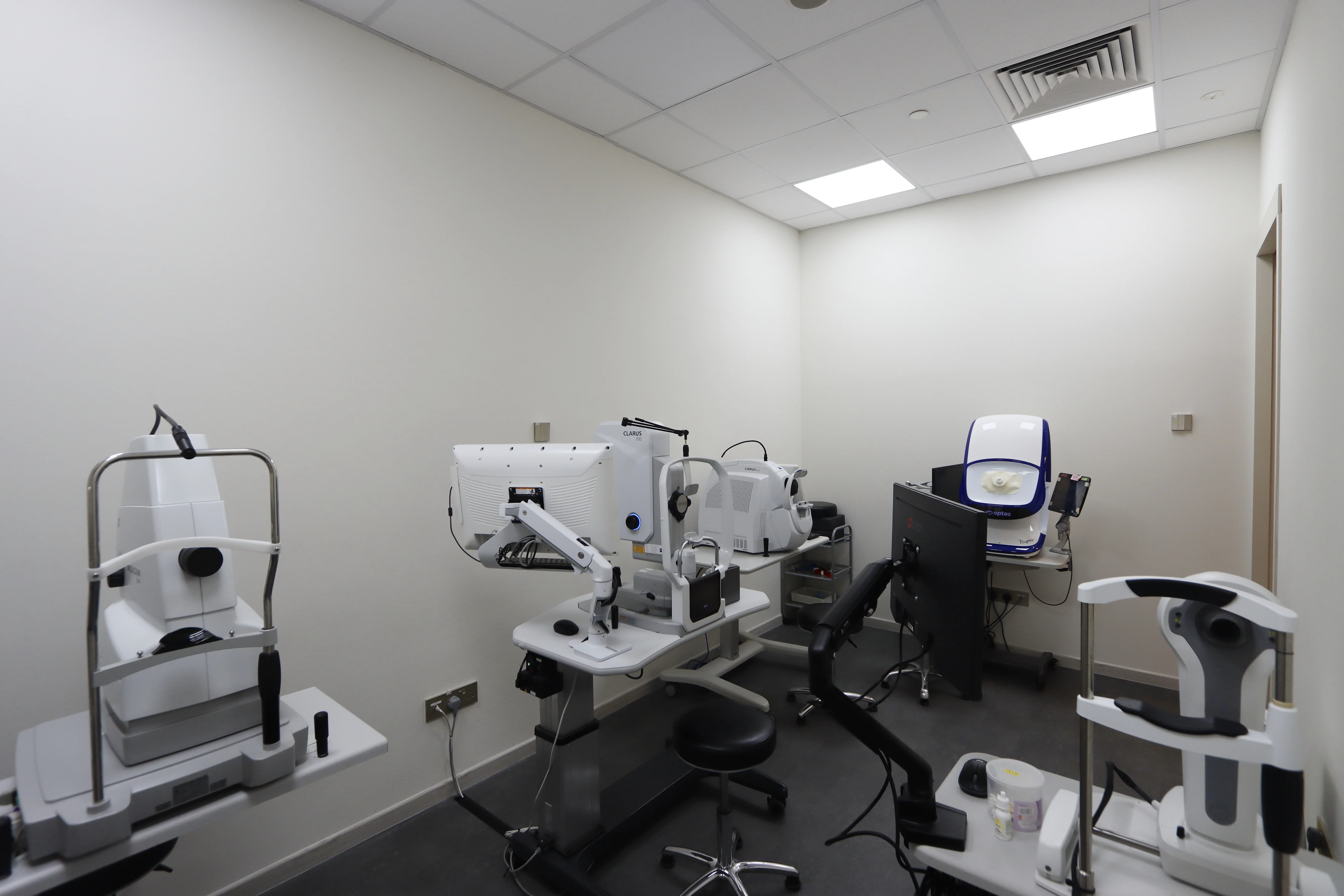
Beyond basic refractive correction, optometric services include comprehensive assessment of how the eyes work together as a coordinated system. Binocular vision assessment examines several critical functions including eye alignment, convergence ability, accommodative function, and stereoscopic depth perception. These assessments prove particularly valuable for individuals experiencing visual discomfort, reading difficulties, or challenges with sustained near work.
The evaluation process measures parameters such as the near point of convergence, fusional vergence reserves, and accommodative facility. These tests identify conditions including convergence insufficiency, accommodative dysfunction, and other non-strabismic binocular vision anomalies that may impact daily activities despite normal visual acuity. Early detection of these conditions enables timely intervention through optical correction, vision therapy, or referral for specialised care.
Research indicates that binocular vision dysfunctions occur more frequently than commonly recognised, particularly amongst individuals engaged in intensive near work such as students and professionals. Symptoms may include eye strain, headaches, intermittent blurred vision, and difficulty maintaining focus during reading, making professional evaluation important for anyone experiencing such complaints.
Contact Lens Services
Contact lens fitting represents a specialised area within optometric practice requiring detailed knowledge of lens materials, designs, and fitting principles. Unlike spectacle correction which remains at a fixed distance from the eyes, contact lenses rest directly on the ocular surface, necessitating careful evaluation of corneal shape, tear film quality, and ocular health.
The contact lens fitting process begins with comprehensive measurements including corneal curvature, diameter, and topographical mapping. Trial lenses are then evaluated for appropriate movement, centration, and comfort. Different lens modalities serve varied purposes: soft lenses offer comfort and convenience for most prescriptions, whilst rigid gas permeable lenses may provide sharper vision for certain conditions such as astigmatism or keratoconus.
Proper lens care education forms an essential component of contact lens services. Lens wearers must understand appropriate wearing schedules, hygiene protocols, and replacement timelines to minimise the risk of complications. Regular follow-up examinations monitor lens performance and ocular health, allowing for timely adjustments to the fitting or care regimen when necessary.
Colour Vision Assessment
Colour vision testing serves multiple purposes within optometric practice, from occupational screening to diagnostic evaluation of retinal and optic nerve conditions. Colour vision tests vary in complexity and purpose, with screening tests designed for rapid assessment of red-green deficiencies and more comprehensive evaluations providing detailed classification of colour vision anomalies.
Pseudoisochromatic plate tests, such as the Ishihara and Hardy-Rand-Rittler series, represent the most common screening tools. These tests present coloured patterns that appear differently to individuals with normal versus deficient colour discrimination. Arrangement tests require subjects to order coloured caps or samples, providing more detailed information about the type and severity of colour vision deficiency.
The clinical assessment of colour perception proves particularly relevant for individuals pursuing careers with colour-critical requirements, including aviation, electrical work, and certain medical specialties. Additionally, acquired colour vision defects may indicate underlying ocular or neurological conditions, making colour testing a valuable diagnostic tool for detecting disease progression or treatment effects.
Specialised Assessments and Services
Comprehensive optometric care encompasses various specialised evaluations tailored to individual needs and risk factors. Visual field testing maps the extent of peripheral vision, proving essential for monitoring conditions such as glaucoma where peripheral vision loss may occur gradually without symptoms. Contrast sensitivity assessment evaluates the ability to distinguish objects from their background under various lighting conditions, providing insights beyond standard visual acuity measurements.
For individuals engaged in sports or activities with specific visual demands, sports vision assessment examines dynamic visual acuity, depth perception, and reaction time. These evaluations can identify areas for enhancement through training or corrective measures, potentially improving performance whilst ensuring visual safety during athletic activities.
Low vision services support individuals with permanent visual impairment that cannot be fully corrected through conventional means. These services involve assessment of remaining visual function, prescription of optical and non-optical aids, and training in compensatory techniques to maximise independence in daily activities.
Integration with Comprehensive Eye Care
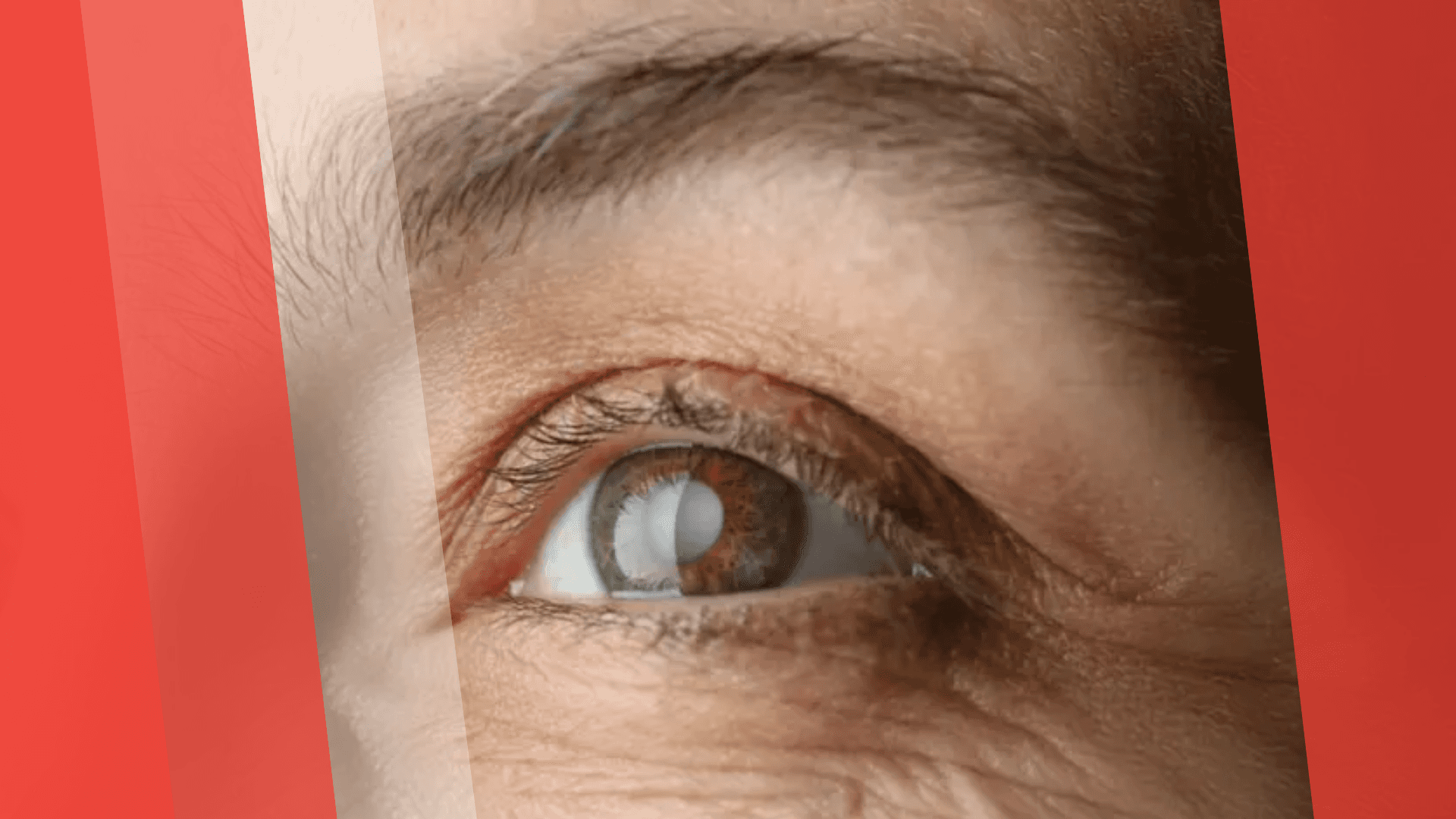
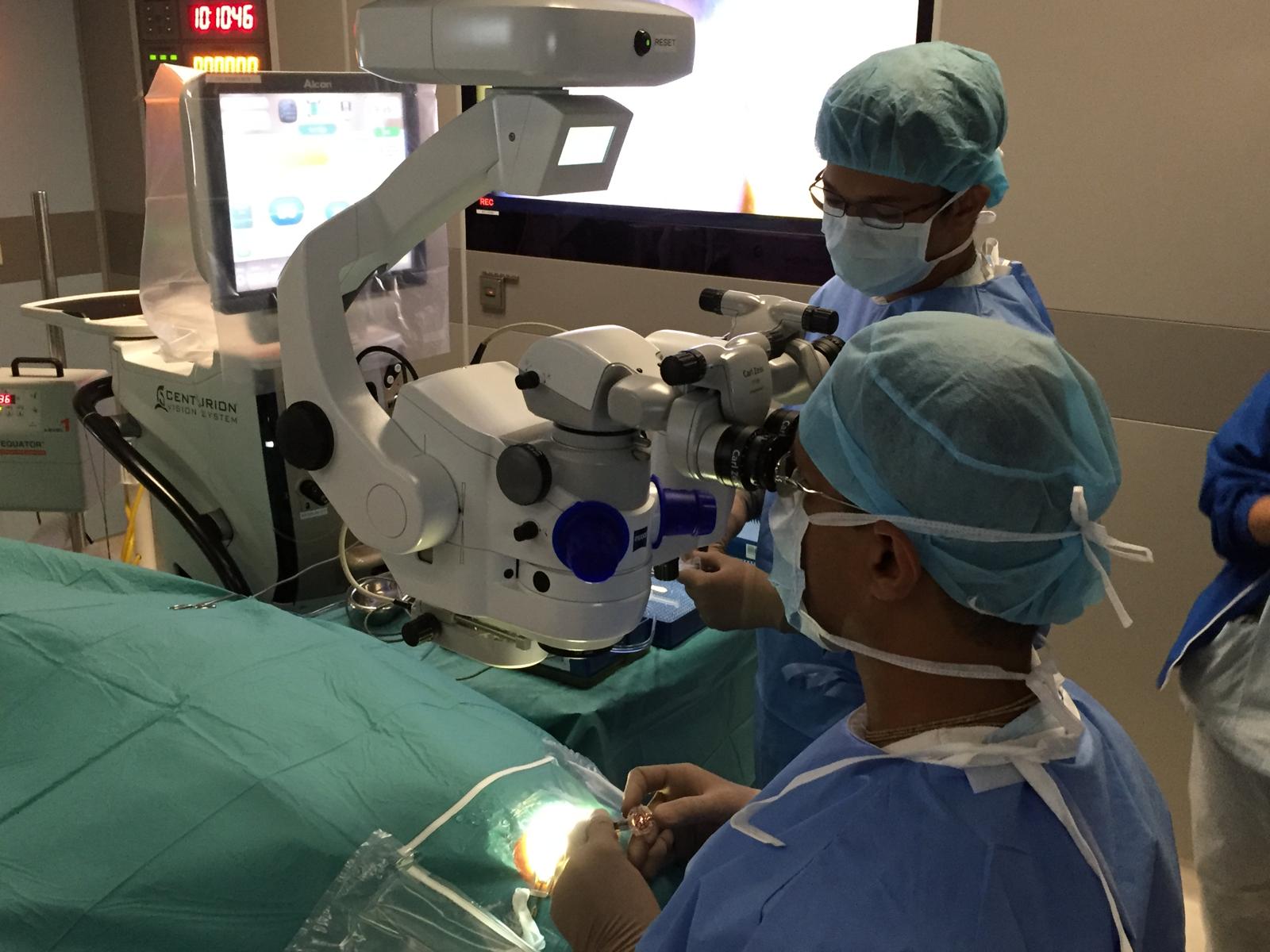
Optometric services function most effectively as part of an integrated eye care delivery system where collaboration between different types of eye care professionals ensures comprehensive patient management. When conditions requiring surgical intervention or specialised medical treatment are identified during optometric examination, appropriate referral facilitates timely access to necessary care whilst maintaining continuity through ongoing optometric monitoring.
Professional eye care providers working collaboratively can address the full spectrum of visual needs, from routine correction to complex disease management. This coordinated approach recognises that optimal vision care extends beyond individual examinations to encompass ongoing monitoring, preventive strategies, and timely intervention when visual changes occur.
Taking an Active Role in Visual Health
Regular optometric examinations enable early detection of both visual and systemic conditions before symptoms develop. The frequency of recommended examinations varies based on age, risk factors, and existing conditions, with more frequent monitoring advised for individuals with diabetes, family history of eye disease, or previous ocular conditions.
Understanding the range of services available through professional optometric care empowers individuals to seek appropriate evaluation for visual concerns and maintain optimal visual function throughout life. Whether addressing straightforward refractive needs or complex visual conditions, comprehensive optometric services provide the foundation for preserving vision and supporting visual performance in daily activities.
Medical Disclaimer: This article provides general information about optometric services and should not replace professional medical advice. Individual circumstances vary, and readers should consult qualified eye care professionals for personalised recommendations regarding their vision care needs and appropriate examination schedules.