Comprehensive Eye Consultation: What to Expect
Why Get a Comprehensive Eye Exam?
A comprehensive eye consultation is a thorough assessment of your vision and overall eye health through a series of diagnostic procedures. While vision screenings conducted at schools or workplaces offer limited insights, comprehensive eye examinations involve an in-depth assessment of both vision and the overall health of the eyes. These examinations can detect almost all types of eye conditions as well as many different systemic conditions, extending beyond simple refractive errors to identify conditions that may develop even without noticeable symptoms.
Comprehensive eye examinations can detect over 250 different systemic conditions, including diabetes and hypertension, often before other symptoms appear.
Many eye and vision problems have no obvious signs or symptoms, so individuals might not know a problem exists. Conditions such as glaucoma, diabetic retinopathy, and macular degeneration frequently progress silently during their early stages, making regular professional evaluations essential for timely intervention. These conditions can lead to irreversible damage if left undetected, emphasising the importance of proactive eye care. When a visual or eye symptom occurs, a comprehensive eye examination is imperative to accurately diagnose its cause so that timely treatment can be given to preserve and save sight.
What Happens During an Eye Consultation?
Your consultation typically begins with a detailed health history review. Our eye care professional will ask about your eye symptoms, vision concerns, family eye health history, general health, and history of drug allergy. This conversation helps to identify risk factors for conditions such as glaucoma or macular degeneration, allowing our specialist to tailor the examination accordingly. Information about medications, lifestyle factors, and any existing medical conditions like diabetes or hypertension is important for understanding your complete health picture.
The visual acuity assessment is a familiar eye test for most patients. This test uses a Snellen chart with rows of progressively smaller letters or numbers to measure visual clarity. Following this, refraction testing determines whether corrective lenses are needed and establishes the appropriate prescription strength. These measurements form the foundation for addressing refractive errors such as myopia, hyperopia, astigmatism, and presbyopia.
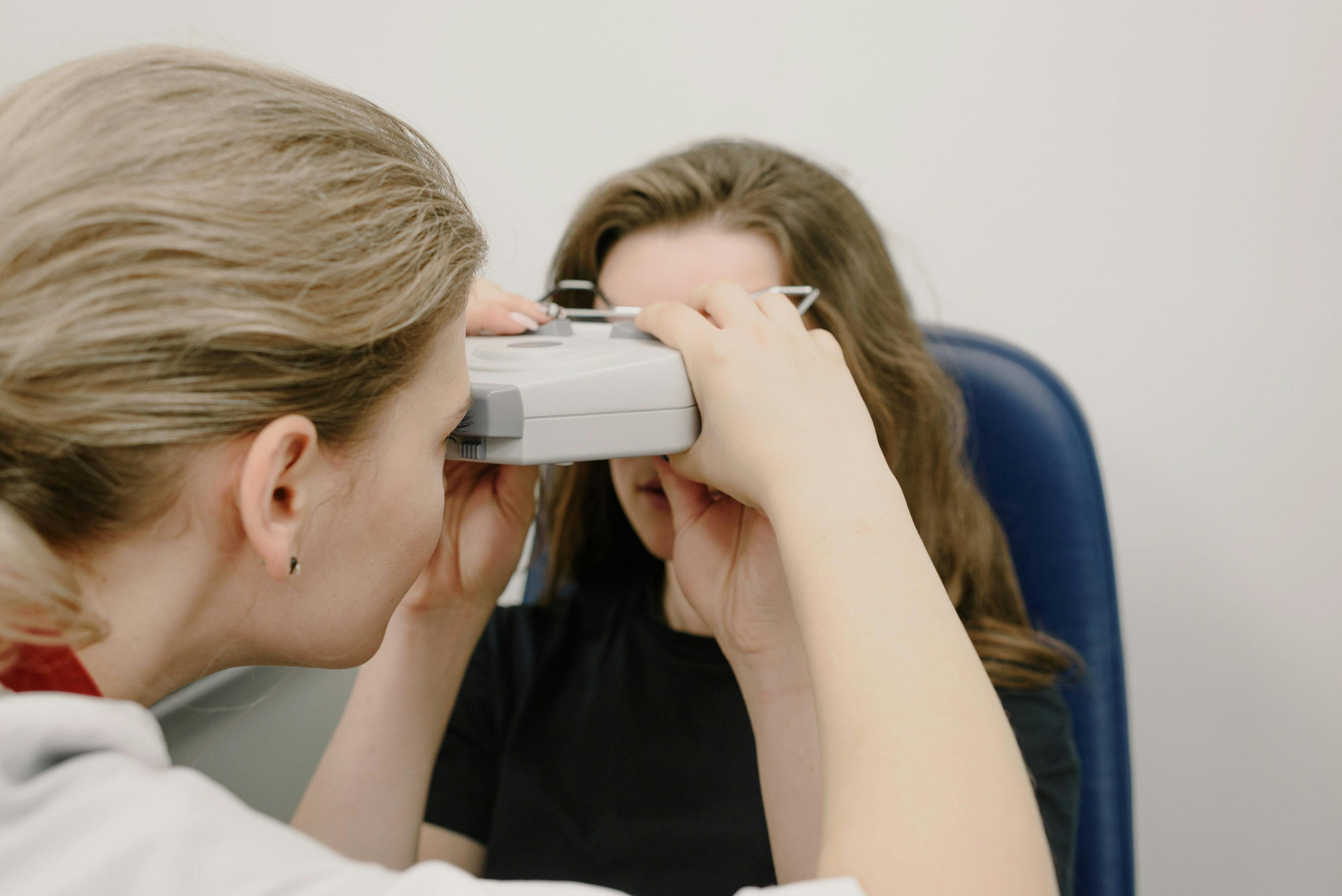
Intraocular pressure measurement screens for glaucoma risk. This quick, non-invasive procedure uses specialised instruments to assess the pressure within your eyes.
Eye movement and coordination are evaluated using specialised assessments. The cover test examines how eye muscles work together by observing eye movement while alternately covering each eye. This procedure can identify strabismus (squints) or issues that may contribute to eye strain. Visual field testing measures your sensitivity to light in your central and peripheral vision, which is particularly important for detecting conditions such as glaucoma, retinal lesions, and issues affecting the visual pathway in the brain.
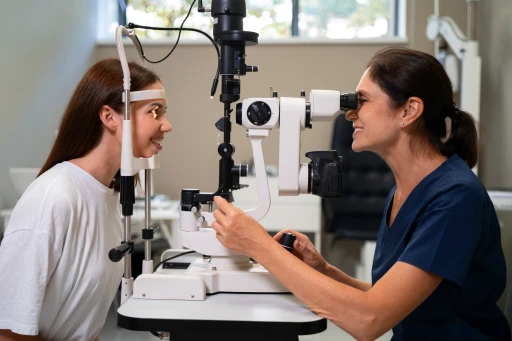
The examination of internal eye structures requires specialised equipment. A slit lamp examination inspects the cornea, iris, and lens at the front of the eye, while a retinal examination looks at the back structures, including the vitreous gel, retina, macula, and optic nerve. This component often involves pupil dilation using medicated eye drops, which temporarily enlarges the pupils for enhanced visibility. While dilation causes temporary light sensitivity that may last several hours, it provides crucial information about eye health that cannot be obtained otherwise.
Advanced imaging technology captures detailed pictures of the back of the eye, making it easier to examine structures and identify early signs of diseases before they cause vision damage. These images serve as valuable baseline references for monitoring changes during future visits.
Preparing for Your Appointment
Several preparatory steps can enhance the efficiency and effectiveness of your consultation. Patients should bring any corrective lenses they are currently using, along with a copy of their glasses prescriptions if seeing our eye doctor as a new patient. Compiling a list of current medications, including over-the-counter eyedrops, helps our specialist understand potential factors affecting your vision.
Document any symptoms you have noticed, regardless of how minor they may seem. In many cases, your comprehensive eye consultation will involve pupil dilation, which can blur vision for several hours, so arranging transport home may be advisable. Bringing sunglasses protects dilated eyes from brightness during the journey home.
Family eye health history provides valuable insights even if you lack personal eye health concerns. Information about conditions affecting blood relatives helps identify hereditary risk factors that warrant closer monitoring. If you work in environments with particular visual demands or have hobbies affecting your eyes, mentioning these details allows our specialist to provide targeted recommendations.
How Often Should You Get an Eye Exam?
The appropriate timing for eye consultations varies based on individual circumstances. Young children should have their eyes checked during infancy, around age three, and once more before entering primary school. Annual eye checks during childhood and adolescence monitor for myopia progression and other developmental concerns.
For adults between ages 20 and 40 without vision problems or risk factors, consultations every one to two years generally suffice. However, experiencing symptoms such as blurred vision, persistent headaches, or eye strain warrants earlier evaluation. Individuals aged 40 and older should schedule more frequent examinations, ideally once a year, as early signs of eye diseases may start to emerge.
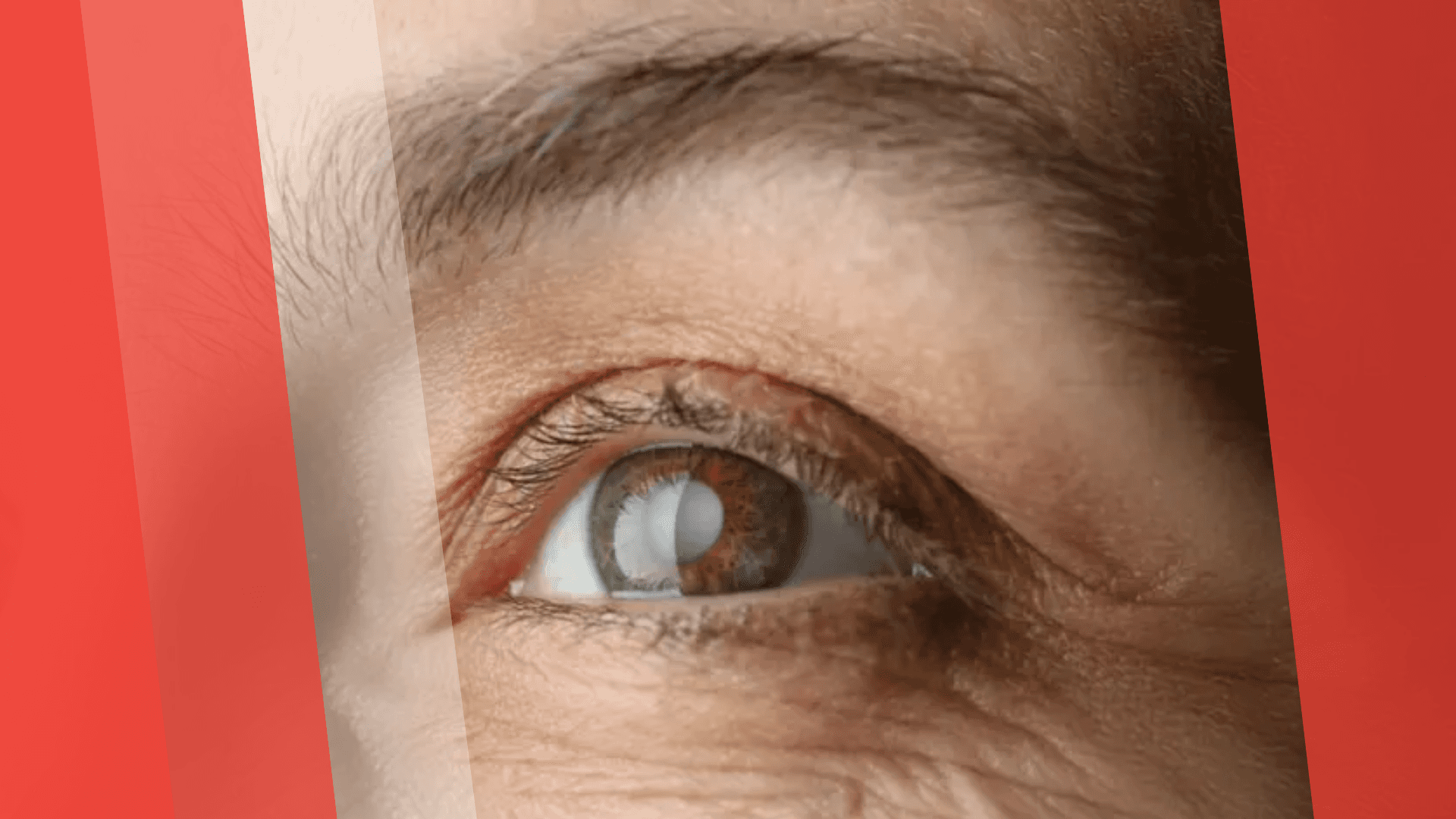
After age 60, annual eye examinations are recommended to monitor for age-related conditions such as cataracts, glaucoma, and macular degeneration. Individuals with diabetes, hypertension, high myopia, or a family history of eye diseases may require more frequent monitoring. Those wearing corrective lenses benefit from annual consultations to ensure that their optical prescriptions remain accurate and comfortable.
Understanding Your Eye Exam Results
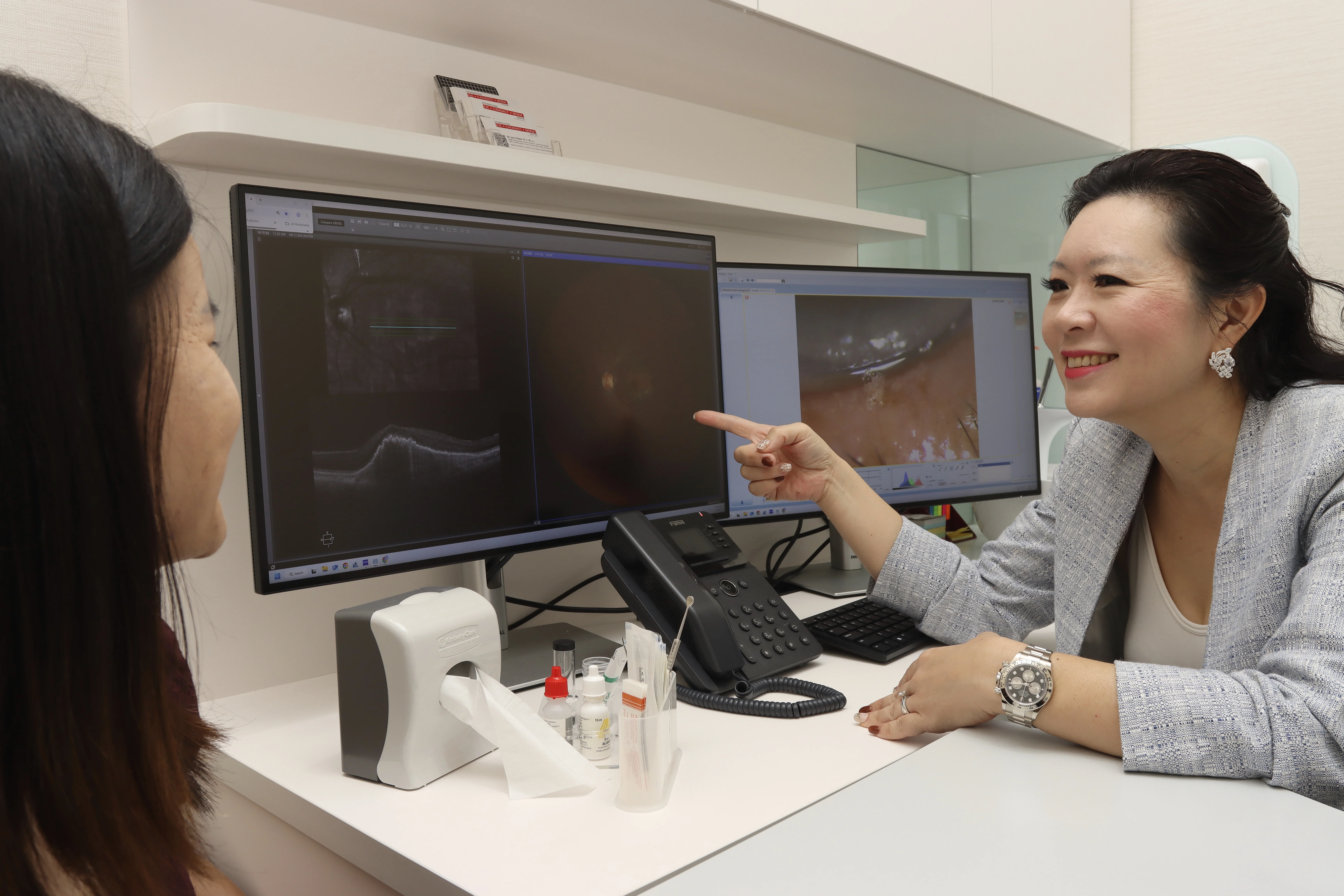
Following the examination, our specialist will interpret all test findings to determine whether intervention is needed. Our doctor will discuss the nature of any visual or eye health problems found and explain available treatment options. This may include prescriptions for corrective lenses, recommendations for specific treatments, or referrals to other healthcare providers for conditions requiring specialised care. However, not all consultations result in treatment recommendations, and receiving health information and confirmation of healthy eyes is valuable reassurance.
Questions during this discussion are welcome and encouraged. Understanding your eye health status empowers informed decisions about your care. If follow-up consultations are recommended, the timing and purpose of these appointments will be explained. Some conditions require periodic monitoring even without active symptoms, while others benefit from immediate intervention.
Taking the Next Step
Prioritising regular eye consultations represents an investment in long-term visual health and overall well-being. These examinations serve dual purposes: correcting current vision issues and preventing future complications through early detection. While the process may seem time-intensive, typically requiring one to two hours, the comprehensive nature of these evaluations cannot be replicated through brief screenings or self-assessments.
If you have been experiencing vision changes, discomfort, or have not undergone a comprehensive examination recently, scheduling a consultation with our specialists allows for a professional evaluation of your eye health. Early detection typically yields better treatment outcomes for conditions affecting vision, making proactive care substantially more effective than reactive treatment.
Medical Disclaimer: This article provides general information about eye consultations and should not replace professional medical advice. Individual circumstances vary, and readers should consult a qualified eye care professional for personalised recommendations regarding their eye health needs and appropriate examination schedules.