Emergency Eye Care: When to Seek Immediate Treatment
Understanding when to seek emergency eye consultation can make the difference between preserving your vision and experiencing permanent visual impairment. Eye emergencies encompass a range of conditions from sudden trauma to acute medical events affecting the delicate structures of your eyes. This guide explains the symptoms, conditions, and circumstances that require urgent professional evaluation.
What Counts as an Eye Emergency?
Eye emergencies can include cuts and scratches, traumatic injuries from foreign objects, burns and chemical exposure, all of which may lead to vision loss without prompt treatment. Eye emergencies are usually characterised by sudden changes in vision, severe pain, or visible damage to the eye. While not every eye problem constitutes an emergency, certain symptoms require immediate medical attention to prevent irreversible damage.
The urgency of seeking care depends on the nature and severity of your symptoms. Some conditions develop rapidly and require treatment within hours, while others may progress more gradually but still necessitate same-day evaluation by an ophthalmologist or eye care professional.
Time-sensitive conditions such as retinal detachment require treatment within hours. Research indicates that surgical success rates decrease significantly when treatment is delayed beyond 24-48 hours from symptom onset.
Warning Signs of Eye Emergencies
Several specific symptoms indicate serious conditions that demand urgent consultation. If your vision goes completely black in one eye or both, you need to see your eye doctor immediately or go straight to the emergency room. Sudden vision loss represents a medical emergency that could indicate retinal detachment, stroke, or other sight-threatening conditions.
Floaters and flashes in the eye are usually the initial symptoms of retinal tears and retinal detachment. Floaters appear as dots, threads, or lines drifting across your field of vision, while flashes manifest as sparkling or lightning-like streaks, often in the peripheral vision. The appearance of a curtain or dark shadow blocking part of or your entire field of vision is another concerning symptom. These signs suggest possible retinal tears or retinal detachment, conditions requiring immediate intervention to prevent permanent vision loss.
Severe eye pain, particularly when accompanied by other symptoms, warrants urgent evaluation. Any significant pain in the eye or behind the eye should indicate you need to see your eye doctor immediately, as some causes may be a spike in eye pressure (acute glaucoma) or corneal abrasion. The intensity and quality of pain can help differentiate between emergency situations and less urgent conditions.
Chemical Eye Burns and Foreign Object Injuries
Chemical burns result when cleaning products, garden chemicals, or industrial chemicals get into your eyes. These injuries require immediate first aid followed by professional assessment. If chemicals enter your eye, begin flushing immediately with clean, cool tap water for at least fifteen minutes. Hold the eyelid open and position your head so the affected eye is lower, preventing contamination of the unaffected eye. Following initial irrigation, seek urgent medical care even if symptoms appear to improve.
Glass, metal, or objects that enter your eye at high speed can cause serious damage. If something becomes embedded in your eye, avoid touching, applying pressure, or attempting removal. Keep eye movement minimal and cover both eyes loosely if possible to reduce involuntary movement. This represents a true medical emergency requiring immediate professional intervention.
Small foreign bodies like dust or eyelashes may sometimes be managed with gentle blinking or artificial tears. However, if the object remains lodged, causes persistent discomfort, or affects vision, professional removal is necessary to prevent corneal abrasion or infection.
Traumatic Eye Injuries
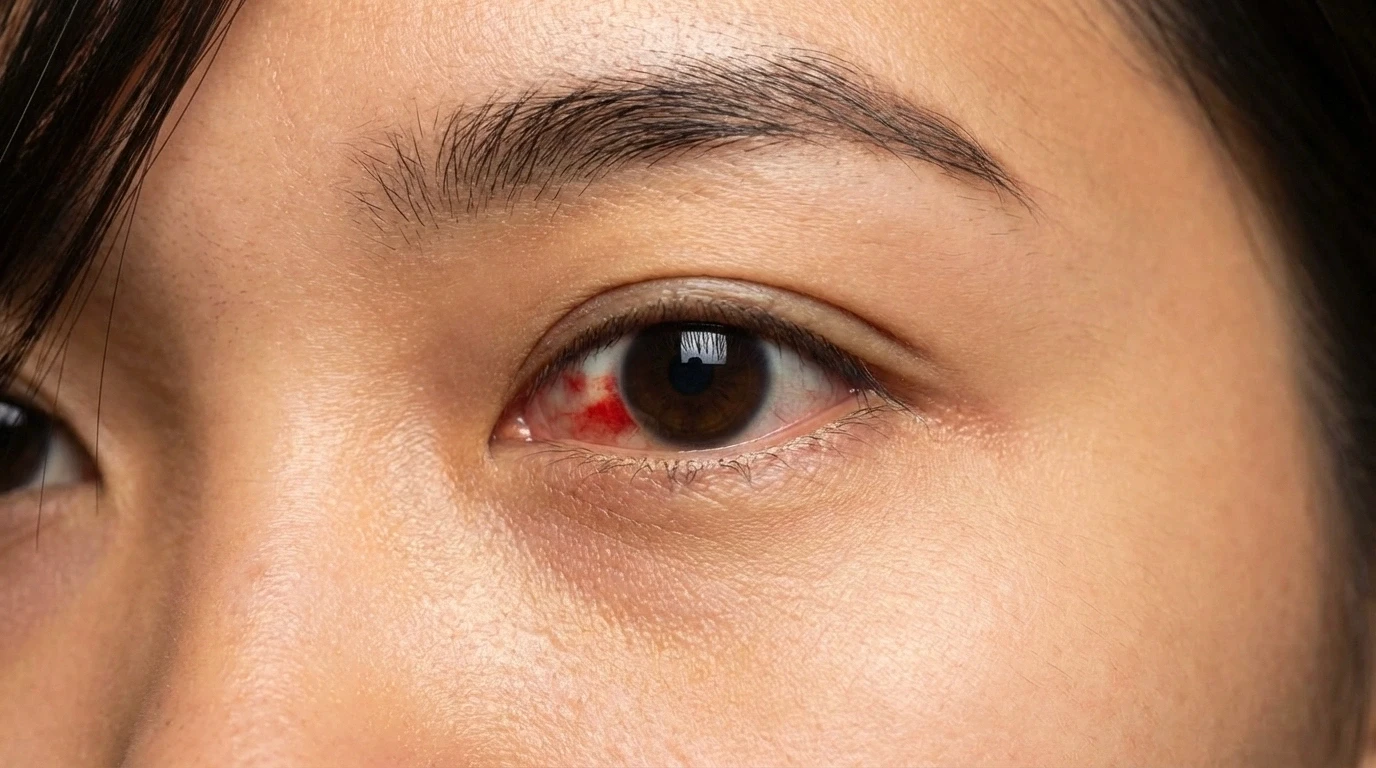
Physical trauma from blunt force, sports injuries, or accidents demands prompt evaluation. If you have a cut or scratch to your eyeball or eyelid, you need urgent medical care. Apply a loose bandage if necessary while awaiting treatment, but avoid applying any pressure to the injured area. Black eyes, while often appearing minor, may sometimes indicate more serious underlying injuries including orbital fractures or internal bleeding.
When trauma occurs, symptoms to monitor include visible wounds, bleeding, fluid leakage, progressive swelling, changes in vision, severe pain, or irregular pupil size or shape. The mechanism of injury, combined with symptom presentation, helps determine the urgency and appropriate care setting for evaluation.
Sudden Vision Changes
If there is any sudden change to your vision that is significant, make an appointment to see your eye doctor the same day. Blurry vision developing abruptly may indicate bleeding inside the eye, retinal fluid accumulation, optic nerve swelling, or intraocular inflammation. Unlike gradual vision changes that might occur with refractive error progression, sudden alterations signal acute processes requiring investigation.
Double vision onset, particularly when accompanied by other neurological symptoms, requires immediate assessment. This symptom may indicate problems with eye muscles, nerve function, or more serious conditions affecting the brain.
Infections and Inflammation
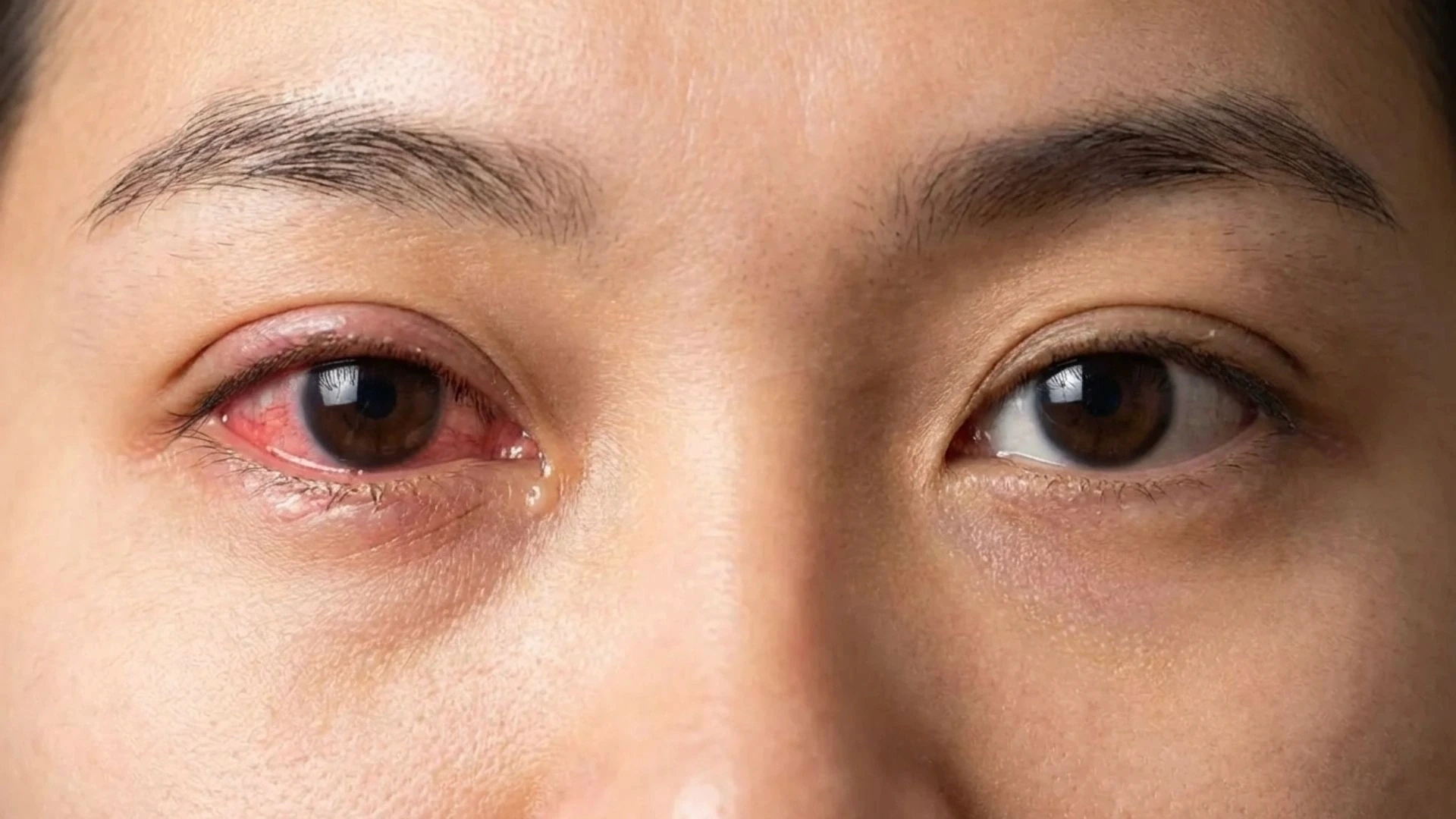
Redness and swelling can result from various causes ranging from minor irritation to serious infection. While red or pink eyes can be caused by minor irritations or allergies, they can also indicate more serious conditions like infections or uveitis. When redness accompanies pain, discharge, vision changes, or light sensitivity, urgent evaluation is warranted.
Cellulitis is an infection of the tissues around the eye that is an eye emergency because it can spread quickly and potentially affect the eye itself. This condition requires prompt antibiotic treatment to prevent complications. Symptoms include redness, swelling, pain, warmth, and potential vision changes.
Unusual discharge, particularly when yellow, green, or thick, may indicate bacterial infection requiring treatment. While some discharge is normal, especially upon waking, persistent or excessive drainage accompanied by other symptoms needs professional assessment.
Treatment Outcomes and Limitations
Emergency eye consultations aim to diagnose conditions accurately and initiate appropriate treatment promptly. However, several factors affect outcomes. If too much time lapses, the chances of successfully repairing the retina through vitreoretinal surgery will be lower, and you may develop permanent vision loss. This underscores the importance of recognising symptoms early and seeking timely care.
Treatment options vary depending on the specific condition diagnosed. Some situations require immediate surgical intervention, while others may be managed with medication, observation, or outpatient procedures. Your ophthalmologist will discuss available treatment options, including their benefits and limitations, to develop an appropriate care plan.
Complications can occur with any eye condition or treatment. Possible risks include infection, persistent inflammation, scarring, incomplete healing, changes in vision, need for additional procedures, and rarely, permanent visual impairment despite treatment. The specific risks vary based on the condition severity, treatment approach, and individual patient factors.
Medical Disclaimer
This information is provided for general educational purposes only and does not constitute medical advice. If you are experiencing symptoms described in this article or have concerns about your eye health, consult a qualified ophthalmologist or eye care professional for proper evaluation, diagnosis, and personalised treatment recommendations. This content is not intended to replace professional medical consultation.
For emergency eye consultations or to schedule an appointment, contact a licensed ophthalmologist immediately if you experience any of the symptoms discussed above.