Patient Eye Care Education: Empowering Your Vision Health
Health education is a critical tool for improving the quality of life and long-term outcomes for both patients and the general public. By bridging the gap between medical knowledge and daily practices, it empowers individuals to take proactive control of their well-being.
Understanding your eye health is an essential part of maintaining clear vision and preventing serious eye conditions. Patient education plays a significant role in helping individuals make informed decisions about their eye care, follow treatment plans effectively, and recognise warning signs that require professional attention.
Why Eye Health Education Matters
Eye care involves complex medical concepts, specialised terminology, and various treatment options that may feel overwhelming without proper guidance. When patients lack engagement with their eye care, it could result in irreversible vision loss, making education a vital component of treatment success.
Research demonstrates that informed patients who understand their diagnosis and treatment plan tend to achieve better clinical outcomes. Studies show that education combined with behavioural interventions may improve adherence to glaucoma medications, highlighting how knowledge directly impacts treatment effectiveness. When patients comprehend their condition, they become active participants in their care rather than passive recipients of treatment.

Key Components of Effective Patient Education
Understanding Your Diagnosis
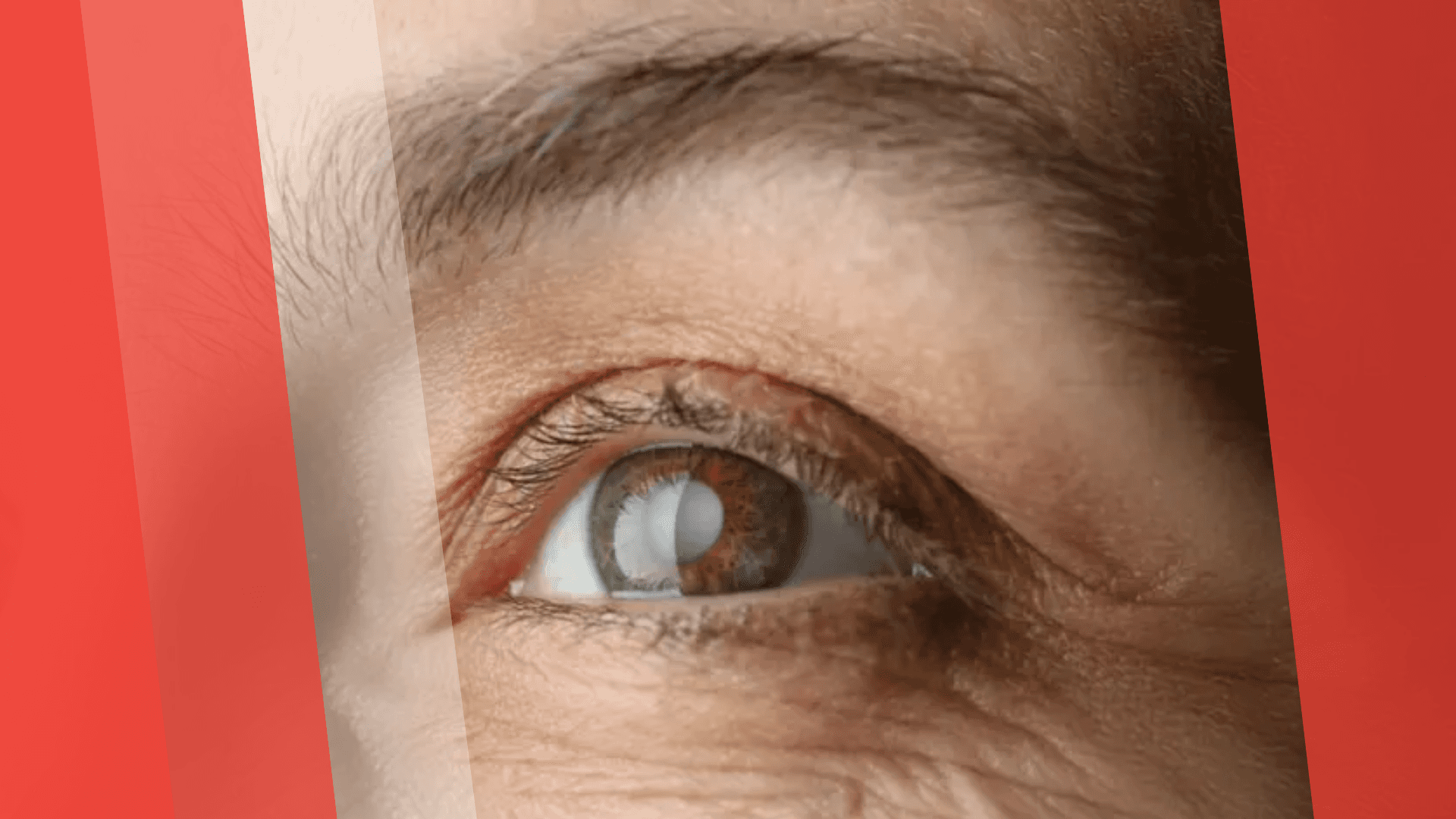
The foundation of patient education begins with understanding your eye condition. Whether you have been diagnosed with cataracts, glaucoma, diabetic retinopathy, macular degeneration, or another eye condition, knowing what the diagnosis means helps you appreciate why certain treatments are recommended.
Your ophthalmologist should explain your condition in clear, accessible language that connects medical information to your daily life experiences. This includes discussing how the condition affects your vision, what symptoms to monitor, and how it may progress over time. However, every individual's experience differs, and outcomes can vary based on numerous factors including overall health, age, and treatment adherence.
Treatment Options and Expectations
Understanding available treatment options empowers you to participate meaningfully in decisions about your care. Your ophthalmologist will discuss various approaches, which may include medications, laser procedures, surgery, or observation with regular monitoring.
It is important to have realistic expectations about treatment outcomes. While modern ophthalmology offers effective interventions for many eye conditions, no treatment can guarantee specific results. Treatment benefits should be balanced with an understanding of risks and potential complications. Your eye care provider should discuss both the potential benefits and limitations of recommended treatments, allowing you to weigh these factors based on your personal circumstances and preferences.
Medication Adherence
For conditions like glaucoma, consistent medication use is critical for preventing vision loss. Adherence to glaucoma medication therapy is known to be particularly challenging, even when compared with adherence to therapy for other chronic conditions. Understanding why medications are prescribed and how they work can improve adherence rates.
Studies published in peer-reviewed journals demonstrate that patient education combined with behavioural interventions can improve adherence to glaucoma medications by up to 50%, significantly reducing the risk of vision loss.
Many patients develop personal strategies to remember their medications, such as coordinating drop administration with daily activities like meals or placing medication bottles in visible locations as reminders. If you experience difficulty remembering your medications or encounter side effects, discuss these challenges with your ophthalmologist rather than discontinuing treatment independently.
Eye Health Resources and Learning Materials
Patients have different learning preferences. Research indicates that most eye patients prefer personalised education interventions, such as one-on-one education sessions, and materials recommended by their provider. Some individuals learn better through visual materials, while others prefer detailed written information or verbal explanations.
Educational resources may include printed materials, videos, online articles, and in-person discussions with your eye care team. Many patients benefit from receiving information at multiple points in their care journey – before procedures to help with preparation, during consultations to clarify questions, and after treatment to support recovery and ongoing management.
Understanding Eye Health Information
Health literacy – the ability to understand and use health information – significantly affects patient outcomes. Poor health literacy negatively impacts individual health outcomes, with affected patients demonstrating poor understanding of their disease and being less likely to adhere to prescribed treatment regimens.
Educational materials should be presented at appropriate reading levels and avoid excessive medical jargon. Visual aids, diagrams, and simplified explanations can bridge knowledge gaps and ensure all patients, regardless of educational background, can understand their eye care.
Importance of Regular Eye Exams
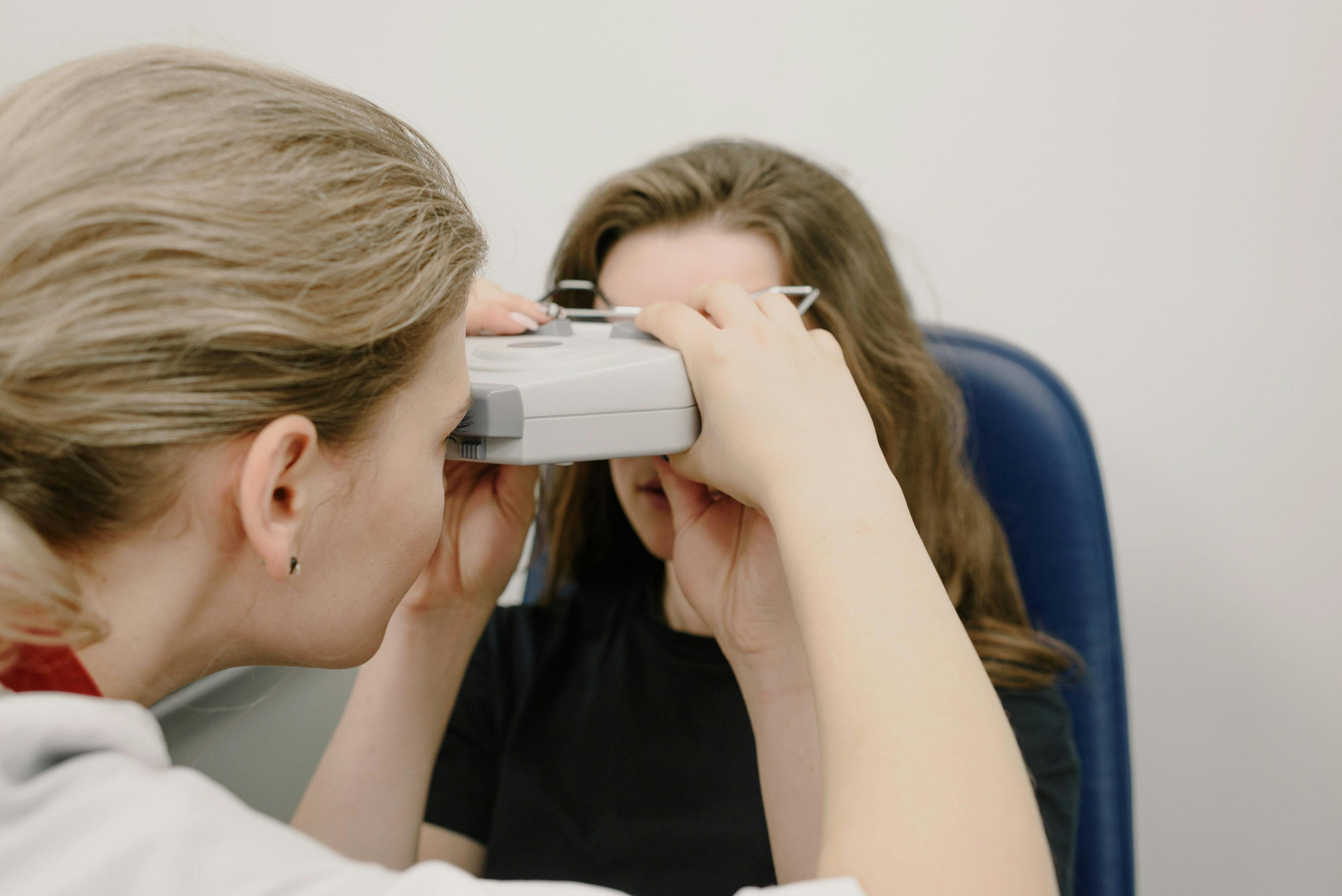
Comprehensive eye examinations serve both diagnostic and educational purposes. During these visits, your ophthalmologist can detect eye conditions in their early stages when treatment is often more effective. Many serious eye diseases, including glaucoma and diabetic retinopathy, may not produce noticeable symptoms until significant vision loss has occurred.
These examinations also provide opportunities for education. Your eye care professional can explain findings, answer questions, and discuss preventive measures tailored to your specific risk factors. The frequency of examinations depends on your age, medical history, family history of eye disease, and existing eye conditions.
Managing Expectations and Understanding Risks
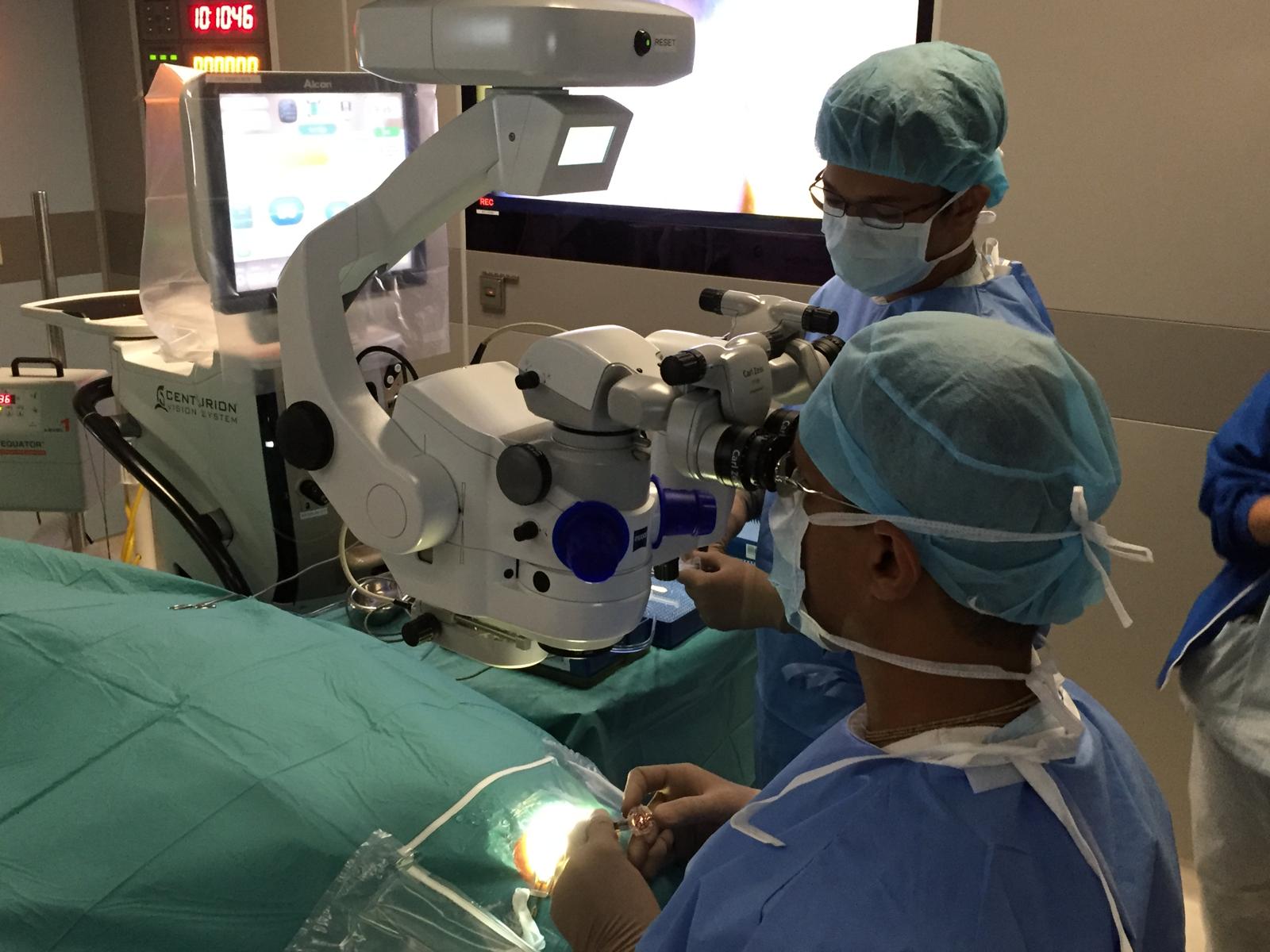
Every medical intervention carries potential risks alongside benefits. Surgical procedures, while generally safe, may involve complications such as infection, inflammation, or unexpected healing responses. Medications can cause side effects that vary among individuals. Even observation without immediate treatment involves the risk that a condition may progress.
Understanding these risks does not mean avoiding treatment, but rather making informed decisions with your healthcare provider. Discuss your concerns openly and ask questions until you feel confident about your care plan. Your ophthalmologist can help you weigh the likelihood of various outcomes based on current evidence and your individual circumstances.
Questions to Ask Your Eye Care Provider
Active participation in your eye care includes asking questions. Consider inquiring about:
What is my specific diagnosis and what does it mean for my vision?
What are my treatment options, and what are the benefits and risks of each?
What happens if I choose not to pursue treatment immediately?
How will we monitor my condition over time?
What symptoms should prompt me to contact you urgently?
Are there lifestyle modifications that could benefit my eye health?
What is the expected timeline for my treatment and recovery?
To discuss these questions with our team, please visit our specialists.
Supporting Long-Term Eye Health
Patient education extends beyond understanding specific diagnoses to encompass general eye health practices. Protecting your eyes from ultraviolet light, maintaining a healthy diet rich in nutrients beneficial for eye health, managing chronic conditions like diabetes and hypertension, and avoiding smoking all contribute to preserving vision.
Regular follow-up appointments allow your ophthalmologist to monitor any changes in your eye health and adjust treatment plans as needed. Consistent engagement with your eye care provider creates opportunities for ongoing education as your needs evolve.
Medical Disclaimer: This article provides general information about patient education in eye care and is not intended to replace professional medical advice, diagnosis, or treatment. Eye conditions vary significantly among individuals, and treatment recommendations should be personalised based on comprehensive examination and discussion with an ophthalmologist. If you experience sudden vision changes, eye pain, or other concerning symptoms, seek immediate medical attention. Always consult with your eye care provider regarding questions or concerns about your specific eye health needs.