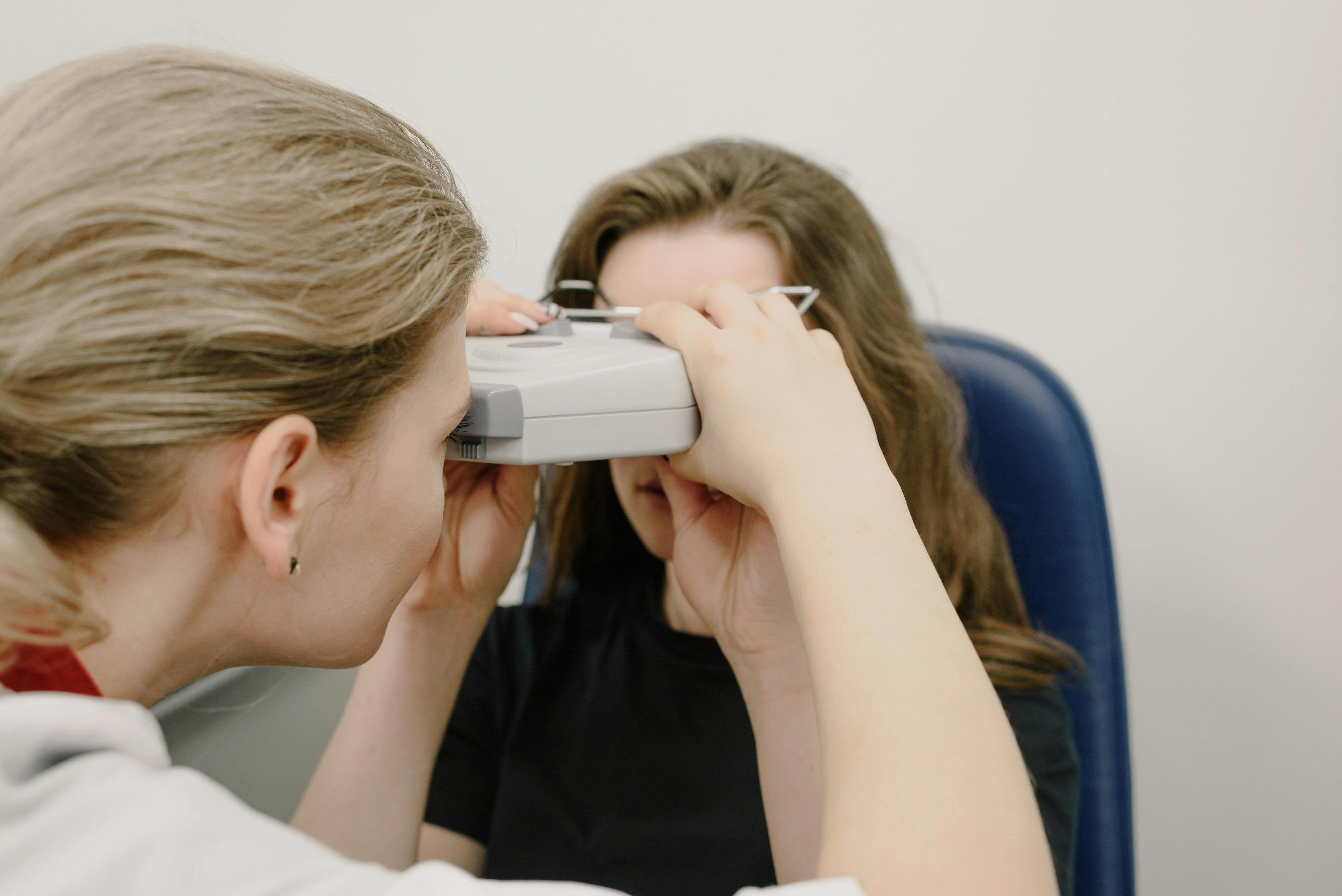
For most patients faced with a cataract surgery, the operation itself is not the worry. The worry is about pain, being awake and being able to see the surgery as it unfolds.
Anaesthesia options for cataract surgery are often not discussed yet they deserve a mention to enable customized options that suite individual needs. Modern cataract surgery is almost always performed with the patient awake under local anaesthesia with or without mild sedation, using topical anaesthesia that numbs the eye rather than putting you completely to sleep. There are several ways to achieve this in order to make the surgery a pleasant experience for you. General anaesthesia remains available for the rare situations that genuinely call for it.
This article sets out each option, what the published evidence says about how they compare, what you are likely to experience, and how anaesthesia for cataract surgery is actually practised in Singapore.
Key Takeaways
Cataract surgery is day surgery performed with the eye numbed and the patient awake in the great majority of cases.
The main techniques for local anaesthesia are the use of topical numbing eyedrops alone, topical eyedrops combined with a small dose of preservative-free numbing medication instilled into the front chamber of the eye, topical eyedrops combined with a blunt cannula injection of numbing medication around the eye, and injection of numbing medication around the eye with a sharp needle. Each option has a different risk profile.
No anaesthetic technique is superior overall. But a review of published scientific literature concluded that both topical eyedrops and blunt cannula blocks are accepted and safe methods, and that some intraoperative discomfort may be expected with either.
You will almost certainly see something during cataract surgery if you are awake. Research conducted in Singapore found that all patients operated under topical eyedrops retained some light perception, and between roughly 3% and 16% of patients across the studies found the visual experience frightening. Being told of the experience beforehand substantially reduces the fear.
Sedation is available as an option but it is not free of consequences. Sedation makes you feel sleepy and can be administered orally or as an intravenous injection. In a study of 19,250 operations, adding intravenous sedation raised the rate of intraoperative medical events from 0.13% to 1.20%, though the absolute risk remains very low.
General anaesthesia is rarely used for cataract surgery (roughly 3% to 5% of adult cases in published national datasets).
Quick Comparison: Anaesthesia Options at a Glance
Types of anaesthesia | Technique | What do you experience? | Stops eye movements? | Main risks |
|---|---|---|---|---|
1. Topical | Eyedrops on the eye surface | No pain | No | Insufficient pain relief needing top-up during surgery |
2. Topical plus intracameral | As above, plus preservative-free local anaesthetic placed inside the eye during surgery | Lesser discomfort than eyedrops alone | No | Requires preservative-free medication else can cause corneal damage |
3. Sub-Tenon’s block | Eyedrops to numb followed by blunt cannula injection around the eyeball | Brief pressure sensation | Partially | Self-limiting bruising and swelling of outer layers of the eye is common |
4. Peribulbar block | Sharp needle injection around the eyeball | Brief sharp & burning pain followed by numbness | Yes | Eyeball perforation, bleeding, rarely spread of drug to brain |
5. Retrobulbar block | Sharp needle injection behind the eyeball | Brief sharp & burning pain followed by numbness | Yes | As above, but more frequent occurrences |
6. Sedation added to any of the above | Oral or intravenous medication | Relaxed feeling, drowsiness but still rousable | Depends on associated anaesthesia technique | Higher rate of intraoperative medical events; requires monitoring |
7. General anaesthesia | Fully asleep and unconscious | Nothing during surgery; post-surgery drowsiness | Yes | General anaesthesia risks |
Why Cataract Surgery Rarely Needs General Anaesthesia?
Cataract surgery is a relatively short procedure performed through tiny incisions of around two to three millimetres and does not require the patient to be still for long periods under deep sedation.
The joint guidance from the Royal College of Anaesthetists and the Royal College of Ophthalmologists from the UK states, at its highest grade of recommendation, that for the majority of day case ophthalmic surgery, local anaesthesia is the method of choice and that general anaesthesia may be preferred for more complex or prolonged surgery, or where local anaesthesia is contraindicated.
The figures support this in practice. A one-year national survey in the UK covering approximately 357,000 local anaesthetic cataract operations found that general anaesthesia was used only in 3.4% of cases and local anaesthesia with sedation was used in 4.1% cases. In a large tertiary care centre series of 25,246 cataract operations from India, general anaesthesia in adults accounted for just 0.05% of cases, with almost all general anaesthesia being used for paediatric cases.
Local anaesthesia also avoids the systemic risks of general anaesthesia in a population that is, by far, mostly elderly and often with other medical conditions.
Topical Anaesthesia: What Eye Drops Actually Do?
Topical anaesthesia uses anaesthetic eyedrops or a gel (proparacaine, tetracaine or lidocaine) applied to the surface of the eye. The eyedrops are applied a few times during the preoperative preparation for the surgery and act very quickly. Additional top up applications may be needed during the surgery. The numbing effect lasts for about 15 to 20 minutes after application.
Two limitations are important and need to be understood. First, topical anaesthesia numbs the surface of the eye (cornea and conjunctiva) only. It does not numb structures inside the eye. Second, it does not stop the eye from moving during the surgery.
As routine cataract surgery does not involve direct contact with pain-sensitive structures inside the eye, topical anaesthesia alone may be used effectively by some surgeons for cataract surgery. In order to keep your eyes steady you will be asked to look in a particular direction and hold still during the surgery. A trained cataract surgeon is able to efficiently control your eye movements during the surgery. For most patients this is entirely manageable. For someone with shaky eyes, significant anxiety or difficulty following instructions, it may not be the best option and such patients may require additional measures during surgery.
Topical Anaesthesia Plus Intracameral Lidocaine
A common refinement to topical anaesthesia is to add a small dose of preservative-free numbing medication (lidocaine) into the front chamber of the eye at the beginning of the surgery. This further reduces the pain or discomfort that patients may sometimes feel during a cataract surgery. A review of thirteen randomised trials covering 2,388 eyes found moderate-certainty evidence that this reduces the pain patients report during surgery compared with eyedrops alone.
The critical qualification is the word "preservative-free" anaesthetic medication as the use of anaesthetic medication with preservatives inside the eye can potentially cause corneal oedema, swelling and decompensation after the surgery.
Sub-Tenon's Block
A sub-Tenon's block numbs the eye more completely. The surface is numbed with eyedrops first and then a small opening is made in the conjunctiva to allow insertion of a blunt cannula that is passed behind the eyeball to deliver the anaesthetic medication around the eye. This effectively numbs the entire eyeball although some residual eye movements may persist.
Because the cannula is blunt rather than sharp, the risks associated with sharp needle injection is largely avoided. The trade-off is often cosmetic. Bruising and swelling of the conjunctiva of the eye is more common with this technique than with others, and while these are self-limiting and not sight-threatening, they can appear as alarming for a week or two. Sub-Tenon's blocks are harder or inadvisable in some eyes, including those with previous retinal surgery or a scleral explant, certain conjunctival diseases, and eyes where the injection site needs to be preserved for future glaucoma surgery.
Peribulbar and Retrobulbar Needle Blocks
Needle blocks are injections placed around or behind the eye with a sharp needle. They produce complete numbness and stop eye movements, and were the standard anaesthetic approach for cataract surgery for many decades.
Needle blocks are used less often now, and the reason is their specific risk profile. There is a rare but real risk of perforation of the eye with the sharp needle. Risk is higher in longer eyes, specifically those with high myopia (axial length above 26 millimeters) and in eyes with a posterior staphyloma or a previous encircling scleral band placed to repair a retinal detachment. Reported rates of perforation of the eye with sharp needle local anaesthesia range from 1 in 874 to more than 1 in 16,000, and around half of these are not recognised at the time of surgery. The needle block can also rarely cause significant bleeding from ruptured blood vessels around the eye increasing the orbital pressure and requiring emergency decompression. The most serious complication is spread of the anaesthetic medication to the brainstem causing drowsiness, confusion, difficulty breathing and, rarely, cardiac arrest. Full recovery is expected with timely supportive care, and this is one of the reasons monitoring is required when a block is given.
The rare risks listed above are not an argument that needle blocks are unsafe. They remain appropriate for mature or complex cataracts, where complete stillness of the eye is valuable during surgery. In such cases the needle blocks are chosen deliberately rather than by default.
Sedation and Monitored Anaesthesia Care
Sedation is achieved by giving medication orally or intravenously to reduce anxiety. It is not the same as being asleep. With minimal or moderate sedation you remain arousable and are able to respond to instructions, which is essential when you need to keep your eye still and look in a given direction. During cataract surgery, the sedation is used to allay anxiety rather than to compensate for inadequate anaesthesia.
Sedation genuinely improves the surgical experience for anxious patients but carries a measurable trade-off. In a study of 19,250 cataract operations across nine centres in patients aged 50 and above, the rate of adverse intraoperative medical events was 0.13% with topical anaesthesia and no intravenous sedation, and 0.78% with injection anaesthesia and no sedation, a difference that was not statistically significant. When intravenous sedation was added, the rate rose significantly to 1.20% and 1.18% respectively. There was no increase in deaths or hospital admissions with any strategy, and the absolute risk remained low throughout.
The reasonable conclusion is that sedation should be a considered decision based on your anxiety level and your general health, rather than a routine addition or a blanket refusal.
When is General Anaesthesia the Right Choice?
General anaesthesia is appropriate when local anaesthesia is contraindicated or unworkable. Published guidance lists refusal of local anaesthesia after counselling, penetrating injury, seriously abnormal blood clotting, allergy or severe reaction to local anaesthetic, confusion or inability to comply with instructions, uncontrolled tremor, and inability to adopt an acceptable position as the potential indications for general anaesthesia for cataract surgery.
A current review of ophthalmic anaesthesia states that general anaesthesia remains the preferred technique for complex and prolonged procedures in patients unable to cooperate with instructions and lie still, giving Parkinson's disease, dementia, intellectual impairment, deafness, tremors and claustrophobia as some examples. Paediatric cataract surgery is always performed under general anaesthesia.
One assumption worth correcting: a language barrier is not, in itself, a reason for general anaesthesia. The joint college guidance states specifically that local anaesthesia is the procedure of choice for the majority of patients, including those with impaired hearing or who do not speak English.
How Is Anaesthesia for Cataract Surgery Practised in Singapore
Singapore has published data on anaesthesia preferences. A 2016 survey of Fellows of the College of Ophthalmologists, Academy of Medicine Singapore, with 84 of 143 responding, found the following:
Routine cataract surgery is performed by phacoemulsification in 99% of cases.
Preferred anaesthesia was topical alone in 45.2% and topical with intracameral supplementation in 19%, giving a combined 64%. Peribulbar needle block was preferred by 27.4%, retrobulbar needle with facial needle block by 3.6% and sub-Tenon's cannula block by 2.4%.
For mature cataracts, peribulbar block was preferred by 61% of respondents for phacoemulsification.
The surgeon administered the block themselves in 89% of cases.
99% of respondents, all but one, operated with monitored anaesthesia care provided by an anaesthetist. The comparable figures were 74% in the United Kingdom, 82% in New Zealand and 97% in Australia.
70% routinely added mild sedation.
The trend over time is clear. Sharp needle techniques fell from 58% in a 2004 survey to 32% in 2016, while topical anaesthesia rose from 42% to 64%.
Practically, this means that in Singapore you should expect the eye to be numbed by drops, and with light sedation available if you want it. Expect to be at the day care centre for around three to five hours in total, including preparation and post-operative observation.
Second Eye Surgery: A Point Worth Knowing
Many patients are surprised to find the second eye surgery to be more uncomfortable than the first. This is a real and measured effect rather than an impression.
A meta-analysis of eight prospective studies found that pain reported shortly after surgery was significantly higher for the second eye, with a weighted mean difference of 0.69 points overall and 1.08 points in the topical anaesthesia subgroup. Anxiety, by contrast, was significantly higher before the first eye surgery. There was no significant difference in pain by the first postoperative day.
The most likely explanation is that lower anxiety before the second operation results in less of the natural pain-dampening effect that anxiety and adrenaline produce. Interestingly, having had surgery on the fellow eye was also identified as an independent predictor of finding the intraoperative visual experience frightening, so the second time is not uniformly easier.
If you found the first eye straightforward, it is worth mentioning to your surgeon rather than assuming the second will simply repeat it.
Questions Worth Asking The Doctor Before Your Surgery
Which anaesthetic technique do you plan to use for my eye, and why?
Will an anaesthetist be present throughout the surgery?
Will I be offered sedation, and what are the trade-offs?
What happens if I feel discomfort partway through the surgery?
That last question has a straightforward answer, and it is worth hearing before rather than during surgery. Additional anaesthetic can easily be given during the operation if you need it. So say something if you feel pain or discomfort rather than enduring it.
Frequently Asked Questions
What kind of anaesthesia is used for cataract surgery?
Most cataract surgery is performed under local anaesthesia with the patient awake. The commonest approach is anaesthetic eyedrops applied to the surface of the eye, often supplemented with a small amount of preservative-free local anaesthetic placed inside the eye during surgery. Alternatives include a sub-Tenon's block given with a blunt cannula, and peribulbar or retrobulbar blocks given with a needle. General anaesthesia is reserved for very specific situations.
Are you awake during cataract surgery?
Usually yes. You will be awake but the eye will be numb, and light sedation can be given to help you relax while remaining able to follow instructions. Being awake is not incidental: you need to be able to look in a given direction and keep still, which is why the aim is generally minimal sedation rather than deep sedation.
Can I ask to be put to sleep for cataract surgery?
You can discuss it, and general anaesthesia is used where there is a clinical reason such as inability to lie still, uncontrolled tremor, significant confusion, or a genuine inability to tolerate the procedure awake. It is not usually offered on preference alone, because it carries additional risks especially in an elderly population, including a reported doubling of postoperative cognitive dysfunction compared with local anaesthesia. Sedation is often a more proportionate answer to anxiety.
Will I feel the injection if I have a block?
The surface of the eye is numbed with eyedrops first, so what is felt is usually pressure rather than a sharp sting. With a sub-Tenon's block, over 93% of patients in a series of 35,850 procedures reported no discomfort or only mild discomfort. Needle blocks are often briefly more uncomfortable than a sub-Tenon's block.
How long does the anaesthesia last after cataract surgery?
Surface anaesthesia from topical eyedrops lasts roughly 20 to 25 minutes, with corneal sensation returning towards normal by about 30 minutes. Blocks last considerably longer, and the eye may remain numb, droopy and blurred for several hours. Some discomfort or a gritty sensation is expected as the anaesthetic wears off and usually responds well to simple painkillers.
Does having an anaesthetist present increase the cost of cataract surgery in Singapore?
The anaesthetist's fee is a separate professional fee on the bill hence it does increase the overall cost of the surgery. It does not increase your MediSave surgical withdrawal limit, because that limit is set by the procedure's Table of Surgical Procedures classification and already covers surgeon, anaesthetist and facility components together.
Discussing Your Options
The right anaesthetic for your cataract surgery depends on the density of the cataract, the length and shape of your eye, previous eye surgery, your other medical conditions, the medications you take, and how you feel about being awake. None of that can be settled completely by an article, and it is a conversation worth having at your assessment with the surgeon rather than on the day of the surgery.
To discuss your options you can book an appointment or read more about our eye consultation service. If your main concern is discomfort, our post on whether cataract surgery is painful covers that question directly, and how long cataract surgery takes sets out the timings.
References
Guay J, Sales K. Sub-Tenon's anaesthesia versus topical anaesthesia for cataract surgery. Cochrane Database Syst Rev 2015;CD006291. https://pmc.ncbi.nlm.nih.gov/articles/PMC9233864/
Minakaran N, et al. Topical anaesthesia plus intracameral lidocaine versus topical anaesthesia alone for phacoemulsification cataract surgery in adults. Cochrane Database Syst Rev 2020;CD005276. https://pubmed.ncbi.nlm.nih.gov/35658539/
Zhao LQ, et al. Topical anesthesia versus regional anesthesia for cataract surgery: a meta-analysis of randomized controlled trials. Ophthalmology 2012;119(4):659-67. https://pubmed.ncbi.nlm.nih.gov/22365066/
Kumar CM, et al. Local anaesthesia for ophthalmic surgery—new guidelines from the Royal College of Anaesthetists and the Royal College of Ophthalmologists. Eye (Lond) 2012;26(6):897-8. https://pmc.ncbi.nlm.nih.gov/articles/PMC3376304/
Kumar CM, Seet E, Chua A. Updates in ophthalmic anaesthesia in adults. BJA Educ 2023;23(4):148-56. https://pmc.ncbi.nlm.nih.gov/articles/PMC10028395/
Lee RM, Thompson JR, Eke T. Severe adverse events associated with local anaesthesia in cataract surgery: 1 year national survey of practice and complications in the UK. Br J Ophthalmol 2016;100(6):772-6. https://pubmed.ncbi.nlm.nih.gov/26405103/
Lerch D, et al. Outcomes and adverse events of sub-Tenon's anesthesia with the use of a flexible cannula in 35,850 refractive lens exchange and cataract surgery procedures. Clin Ophthalmol 2020;14:307-15. https://pubmed.ncbi.nlm.nih.gov/32099315/
Haripriya A, et al. Effect of preoperative counseling on fear from visual sensations during phacoemulsification under topical anesthesia. J Cataract Refract Surg 2011;37(5):814-8. https://pubmed.ncbi.nlm.nih.gov/21511150/
Wagle AA, et al. Practice preferences of ophthalmic anaesthesia for cataract surgery in Singapore. Singapore Med J 2007;48(4):287-90. https://pubmed.ncbi.nlm.nih.gov/17384873/
Tam YS, et al. Trends in cataract surgery technique and anaesthesia preferences in Singapore: a 2016 survey. Ann Acad Med Singap 2018;47(9):390-393. https://annals.edu.sg/pdf/47VolNo9Sep2018/MemberOnly/V47N9p390.pdf
Systematic review of the effect of anesthesia on postoperative cognitive dysfunction in adults undergoing cataract surgery. BMC Anesthesiol 2025. https://link.springer.com/article/10.1186/s12871-025-02897-3
National Institute for Health and Care Excellence. Cataracts in adults: management, NG77. Evidence review on anaesthesia. https://www.ncbi.nlm.nih.gov/books/NBK536567/
Shi C, Yuan J, Zee B. Pain perception of the first eye versus the second eye during phacoemulsification under local anesthesia: a systematic review and meta-analysis. J Ophthalmol 2019;2019:4106893. https://pubmed.ncbi.nlm.nih.gov/31341651/
Central Provident Fund Board. MediSave withdrawal limits, effective 1 April 2025. https://www.cpf.gov.sg/member/healthcare-financing/using-your-medisave-savings/using-medisave-for-hospitalisation
Medically reviewed by Dr Ajeet Madhav Wagle, Medical Director and Senior Consultant Ophthalmologist, IECRC.
Last reviewed: August 2026
Disclaimer
This article is provided for general education and does not constitute medical advice or a substitute for individual consultation. The choice of anaesthesia for cataract surgery depends on the individual eye, the complexity of the cataract, other medical conditions and current medications, and must be made by your treating surgeon and anaesthetist. Every technique described here carries risks as well as benefits, and some degree of discomfort during surgery should be expected with any local anaesthetic technique. Complication rates quoted are drawn from published studies of groups of patients and are not predictions for any individual. Do not stop any prescribed medication, including anticoagulants and antiplatelet drugs, without instruction from the doctor who prescribed it. Cost figures are based on published Ministry of Health and Central Provident Fund Board data current at the time of writing and are revised periodically.