Reviewed by Dr Joy Chan, Consultant Ophthalmologist, IECRC
Disclaimer: This article provides general information and is not a substitute for personalised medical advice. Please consult an eye care professional for guidance specific to your situation.
If you have been referred to an eye specialist, or have decided to see one on your own, you probably have questions. What should you bring? How long will it take? Will it be uncomfortable? What will it cost? This guide answers the practical questions that first-time patients most commonly ask, so you know exactly what to expect.
Key Takeaways
You do not need a referral to see a private eye specialist in Singapore, though polyclinic referrals may qualify for subsidised rates
Bring your NRIC, current spectacles, medications list, and sunglasses (pupils may be dilated)
A comprehensive first visit typically takes 1.5 to 2 hours and may include visual acuity testing, refraction, tonometry, and a dilated retinal examination
First consultation fees at private eye specialists range from S$100 to S$250, with additional charges for specialised tests
Medisave can be used for certain surgical procedures but generally not for outpatient consultations
What to Bring to Your Eye Specialist Appointment
Arriving prepared saves time and ensures your specialist has the information needed for an accurate assessment. Here is what to bring:
Your NRIC or FIN is essential for registration and for any future Medisave claims. Bring your current spectacles and contact lenses, even if you think the prescription is outdated, as they provide a useful baseline. Prepare a list of current medications, including eye drops, oral medications, and supplements. Medications like steroids, hydroxychloroquine (Plaquenil), and tamoxifen can affect the eyes, and your specialist needs to know about them.
Bring any previous eye reports, surgical records, or referral letters from a polyclinic, GP, or optometrist. If you have corporate insurance or an Integrated Shield Plan, bring your insurance card.
Two items that many first-time patients forget: sunglasses and a companion who can drive. Your pupils may be dilated during the examination, which causes temporary light sensitivity and blurred near vision lasting 4 to 6 hours. You should not drive during this period.
Medical History to Prepare Before Your Visit
Your ophthalmologist will ask about your medical and family history during the consultation. Preparing this in advance saves time and ensures nothing is forgotten in the moment.
Write down your family history of eye conditions, including glaucoma, macular degeneration, retinal detachment, and high myopia. Note your personal medical history: diabetes, hypertension, autoimmune conditions, and any known allergies. Record any previous eye surgeries or laser procedures you have had.
Describe your current eye symptoms: when they started, whether they are getting worse, and whether anything triggers them. Note any medications you are taking that may affect the eyes.
This preparation may feel like homework, but it genuinely improves the quality of your consultation. Ophthalmologists make better diagnostic decisions when they have complete information upfront.
What Tests to Expect During Your First Visit
A first visit to an eye specialist is more thorough than a routine optometrist check. Most visits include several of the following tests:
Visual acuity testing measures how clearly you see at distance and near using a standard letter chart. This is the familiar "read the smallest line you can" test. Refraction determines your spectacle prescription, establishing whether you are short-sighted, long-sighted, or have astigmatism.
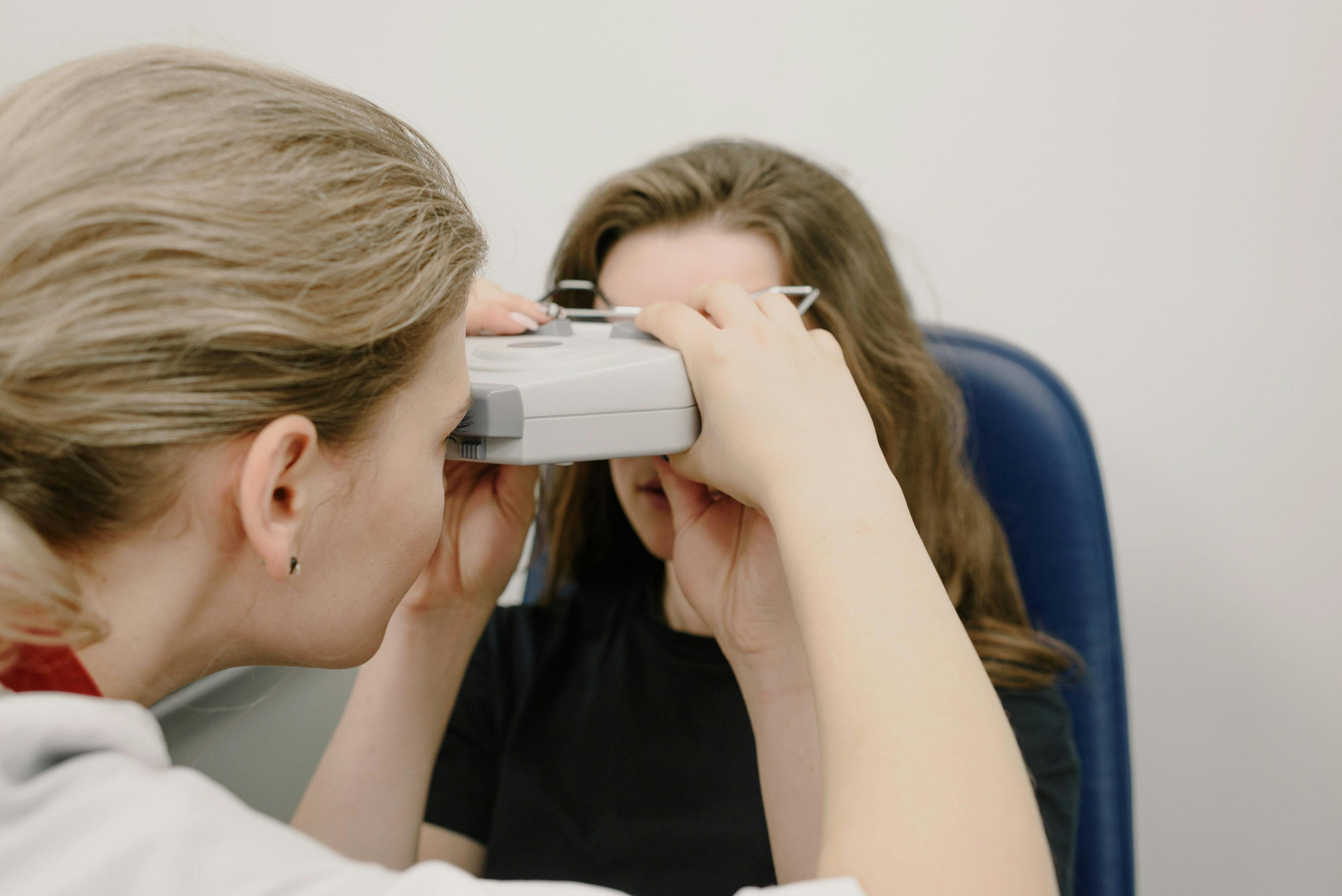
Tonometry measures the pressure inside your eyes (intraocular pressure). Elevated pressure is a key risk factor for glaucoma. The test is quick and painless, usually performed with a small puff of air or a gentle contact instrument.
Slit-lamp examination uses a specialised microscope to examine the front structures of your eye in detail, including the cornea, iris, and lens. This is where your specialist looks for cataracts, corneal conditions, and signs of inflammation.
Dilated fundus examination is often the most important part of a first visit. Drops are placed in your eyes to widen the pupils, allowing the specialist to examine the retina and optic nerve at the back of the eye. This is how conditions like diabetic retinopathy, macular degeneration, glaucoma, and retinal tears are detected. The dilation drops take 20 to 30 minutes to take full effect.
Depending on your symptoms and findings, additional tests may be performed: OCT scan (high-resolution retinal imaging), visual field test (checking for blind spots, important in glaucoma), or corneal topography (mapping the corneal surface).
Questions to Ask Your Eye Specialist
A consultation is a two-way conversation. Here are questions worth asking:
What is my diagnosis, and what does it mean in practical terms? What are my treatment options, and what do you recommend? What happens if I choose not to treat this condition? Are there lifestyle changes I should make? When should I come back for a follow-up? Is this condition likely to affect my other eye? Can I claim any part of the cost through Medisave or insurance?
Write your questions down beforehand. It is easy to forget them during the consultation, especially after receiving a new diagnosis. Your specialist expects questions, and asking them is a sign of an engaged and informed patient.
Understanding Your Diagnosis: What Happens After the Examination
After completing the examination, your specialist will explain the findings and diagnosis in clear terms. If anything is unclear, ask for clarification or for a written summary you can review later.
Treatment may begin on the same day. For many conditions, this means prescribing eye drops or scheduling a follow-up to monitor changes. For surgical conditions, the specialist will explain the procedure, its risks and benefits, the expected timeline, and what recovery involves.
Second opinions are completely acceptable in Singapore's healthcare system. A confident specialist will support your decision to seek one.
How Long Does a First Visit Typically Take?
Allow 1.5 to 2 hours for a comprehensive first visit. The time breaks down roughly as follows: registration and preliminary tests take 20 to 30 minutes, the consultation with the specialist takes 20 to 40 minutes, additional tests if needed take 15 to 30 minutes, and pupil dilation plus waiting for the drops to take effect takes 20 to 30 minutes.
Follow-up visits are usually shorter, typically 30 to 60 minutes. Arrive 15 minutes early to complete registration paperwork and avoid feeling rushed before the consultation begins.
Cost and Payment: What to Expect
A first consultation at a private eye specialist in Singapore typically costs S$100 to S$250, depending on the complexity of the examination and the tests performed. Additional tests, such as OCT scans or visual field tests, may incur separate charges.
Medisave can be used for certain surgical procedures, including cataract surgery and vitreoretinal surgery, but it generally cannot be used for outpatient consultations. MediShield Life provides coverage for larger surgical procedures.
Many corporate insurance plans and Integrated Shield Plans offer coverage for specialist consultations. The extent of coverage varies by insurer and plan, so check your policy before your visit. Some plans require a GP or polyclinic referral letter for specialist claims.
At IECRC, our insurance and payment options are listed on the website. We recommend asking about cost at the time of booking so there are no surprises on the day of your visit.
Frequently Asked Questions
Do I need a referral to see an eye specialist in Singapore?
No. In Singapore, you can see a private eye specialist directly without a referral. However, if you want to access subsidised rates at a public hospital eye department, a polyclinic referral is typically required. Some private insurance plans also require a referral letter for claims. If cost or insurance coverage is a concern, check with your insurer before booking.
What is the difference between an optometrist, optician, and ophthalmologist?
An optometrist performs eye examinations, prescribes spectacles and contact lenses, and detects eye conditions. An optician dispenses and fits spectacles and contact lenses based on an optometrist's or ophthalmologist's prescription. An ophthalmologist is a medical doctor who has completed further specialisation in eye diseases and surgery. Ophthalmologists can diagnose and treat all eye conditions, prescribe medications, and perform surgery. For conditions beyond routine vision correction, an ophthalmologist is the appropriate specialist.
Can I drive home after a dilated eye exam?
It is not recommended. Dilating drops cause your pupils to remain wide open for 4 to 6 hours, resulting in blurred near vision and significant light sensitivity. Driving during this period is unsafe. Bring sunglasses and arrange for a companion to drive you home, or plan to take public transport or a taxi.
How often should I see an eye specialist?
For adults without known eye conditions, the Singapore Health Promotion Board recommends a comprehensive eye examination every 1 to 2 years after age 40. Annual examinations are recommended if you have diabetes, high myopia (greater than -5.00D), a family history of glaucoma, or any existing eye condition. Your ophthalmologist will advise on the appropriate follow-up interval based on your examination findings.
Is the first eye specialist visit painful?
No. The tests performed during a standard first visit are painless. Tonometry (eye pressure measurement) may involve a brief puff of air or gentle contact with the eye, which is momentarily startling but not painful. Dilating drops may cause a mild stinging sensation lasting a few seconds. The examination itself is entirely comfortable.
Can I use Medisave to pay for my eye specialist consultation?
Medisave generally cannot be used for outpatient specialist consultations. It can, however, be used for certain approved surgical procedures such as cataract surgery, with claimable amounts ranging from S$2,680 to S$3,210 per eye depending on the procedure type. Your specialist's clinic can advise on Medisave eligibility for specific treatments.
This article was reviewed by Dr Joy Chan, Consultant Ophthalmologist at the International Eye Cataract Retina Centre (IECRC). Last reviewed: April 2026.