Quick Answer: An optometrist is a primary eye care professional who performs eye examinations, prescribes spectacles and contact lenses, and screens for eye diseases. An ophthalmologist is a medical doctor who has completed specialist medical and surgical training and can diagnose, treat, prescribe medications, perform lasers and operate on eye conditions. In Singapore, optometrists are regulated by the Optometrists and Opticians Board (OOB), while ophthalmologists are registered with the Singapore Medical Council (SMC).
Key Differences at a Glance
Optometrist | Ophthalmologist | |
|---|---|---|
Qualification | 4-year BSc (Optometry) &/or 3-year Diploma (Optometry) | At least a 5-year Medical degree (MBBS) + 5-year ophthalmology specialist residency +/- additional at least 2 years of sub-specialist fellowship qualifications = an average total of 12 or more years |
Regulator | Optometrists and Opticians Board (OOB) | Singapore Medical Council (SMC) |
Can prescribe spectacles & contacts | Yes | Yes |
Can prescribe eye medications | No prescribing rights | Yes, full prescribing rights |
Can perform eye lasers/surgery | No | Yes |
Can give injections | No | Yes |
Can manage eye diseases | Detection and referral to GP or ophthalmologists | Full diagnosis, treatment, and surgical eye care |
What Does an Optometrist Do?
An optometrist in Singapore is an eye care professional who specialises in vision assessment and correction. After completing a 4-year Bachelor of Science in Optometry or a 3-year Diploma in Optometry, they must register with the Optometrists and Opticians Board (OOB) under the Allied Health Professions Council (AHPC) and pass the Optometrists Registration Examination (ORE).
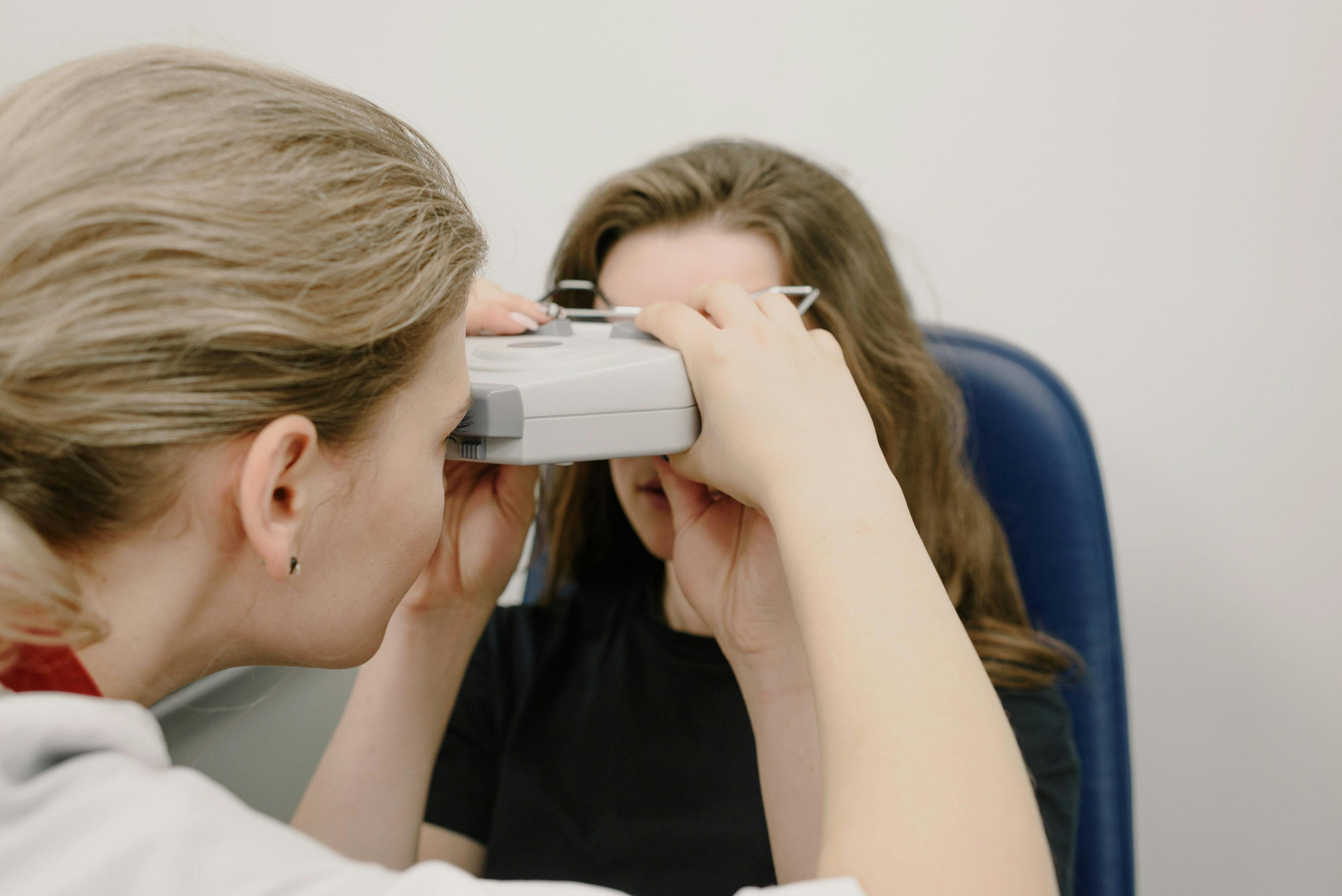
Optometrists are typically your first point of contact for routine eye care. They perform comprehensive eye examinations to assess your visual acuity and can prescribe spectacles and contact lenses. Depending on if diagnostic equipment is available in their practice, they may screen for common eye conditions such as cataracts, glaucoma, and age-related macular degeneration, and they can refer you to an ophthalmologist if they detect signs of eye disease that requires medical or surgical treatment.

In Singapore, you can visit an optometrist without a referral at optical shops, optometry practices, and some polyclinics. Optometrists play an important role as gatekeepers in the eye care system; they often detect conditions early and ensure patients reach the appropriate specialist promptly.
However, optometrists in Singapore cannot prescribe eye medications, perform surgical procedures, administer injections, nor manage complex eye diseases independently. These services fall within the scope of an ophthalmologist.
What Does an Ophthalmologist Do?
An ophthalmologist is a fully qualified medical doctor who has completed additional specialist training in the diagnosis and treatment of eye diseases and conditions 1. In Singapore, the training pathway involves completing a medical degree (MBBS) (minimum of 5 years), a one-year housemanship, and then a competitive accredited ophthalmology residency programme (minimum of 5 years); sometimes followed by a fellowship programme (minimum of 2 years) for advanced training to obtain subspecialty expertise in specific areas such as vitreoretinal surgery, glaucoma surgery, cornea surgery, paediatric ophthalmology, or oculoplastic surgery. This represents a minimum of ten to twelve years or more of education and training after junior college.
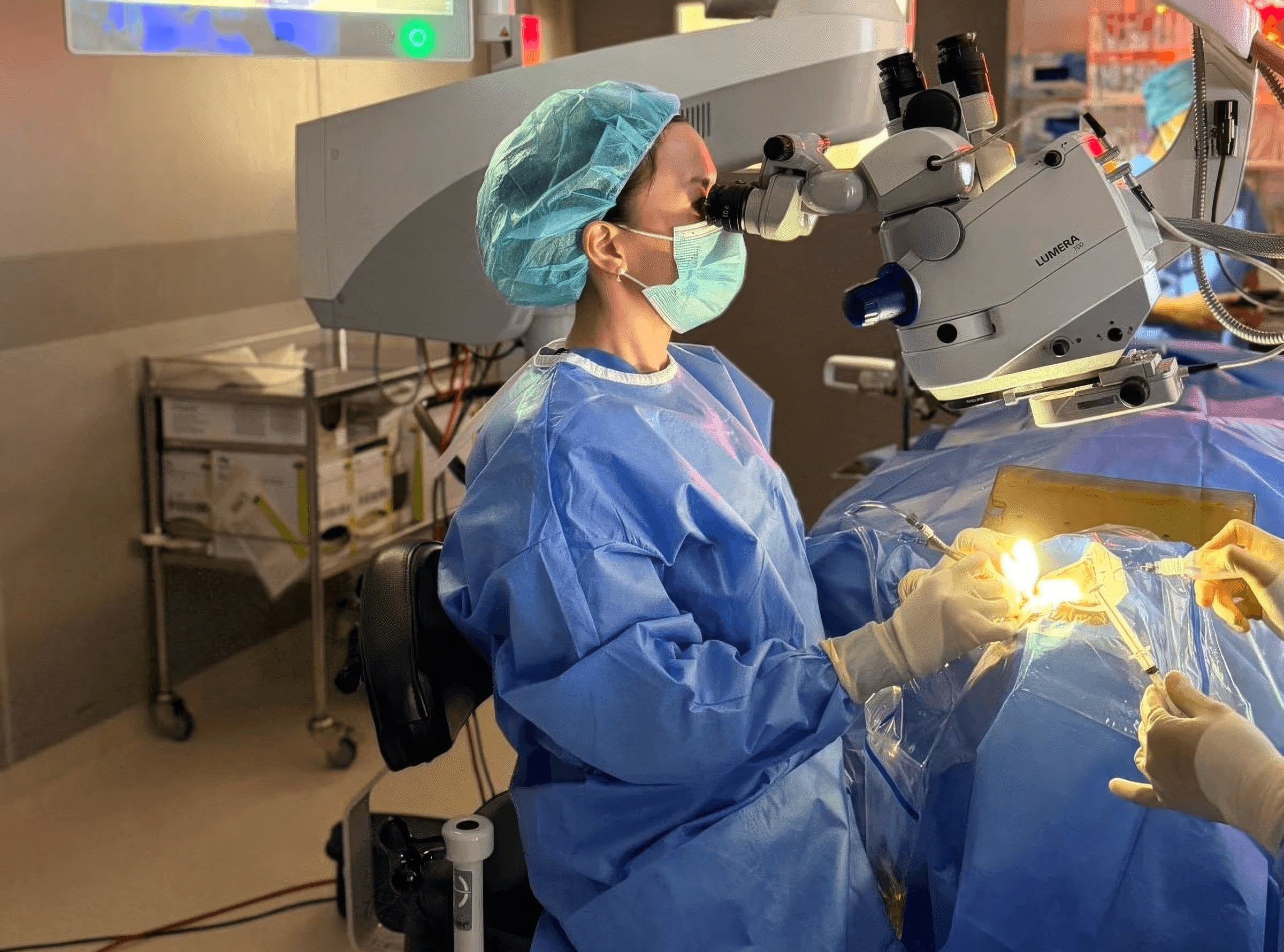
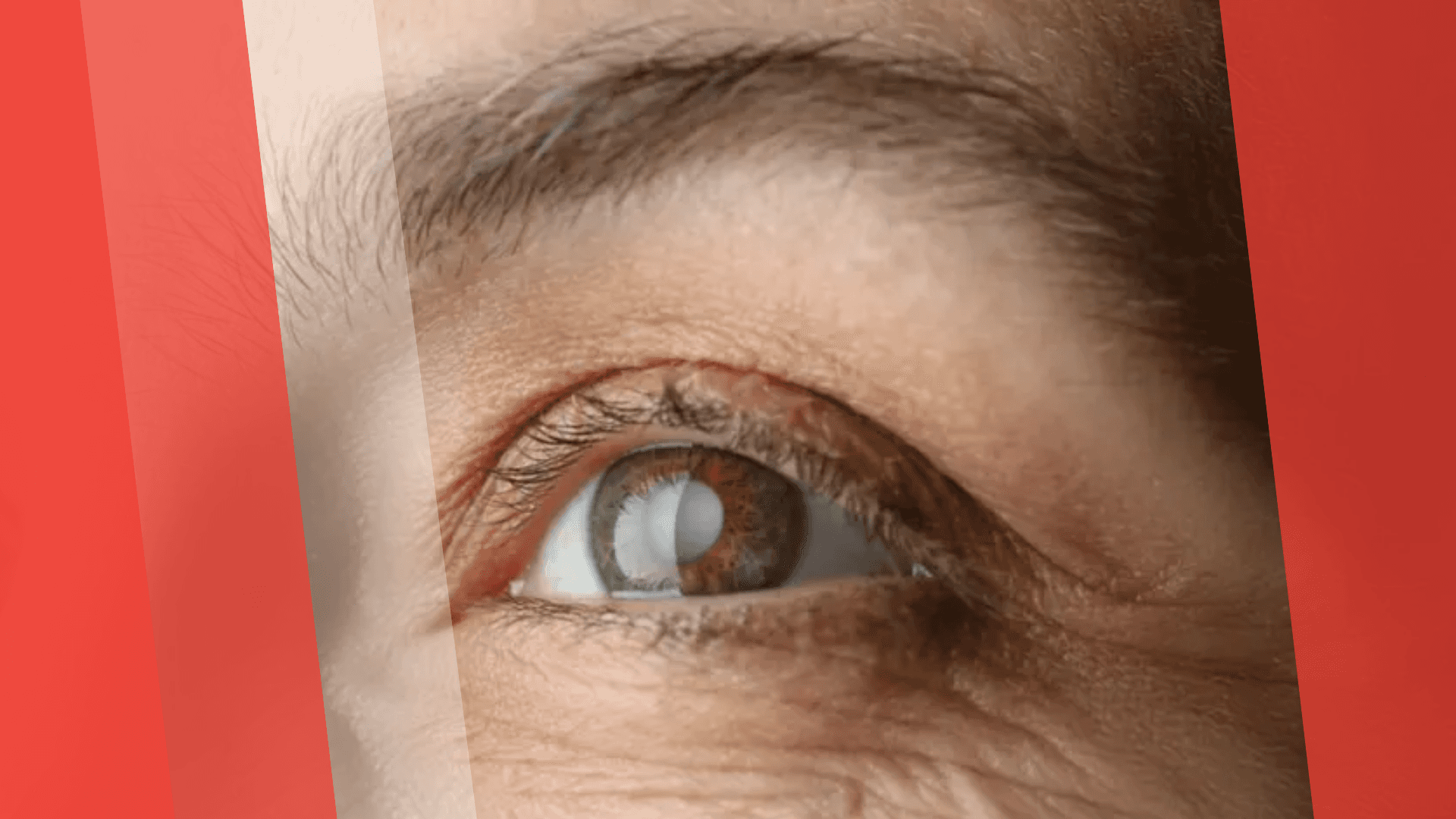
Ophthalmologists have the full medical and surgical scope to diagnose and manage all eye conditions, from common refractive errors to complex diseases such as glaucoma, retinal detachment, and diabetic eye disease. They can perform eye surgery, including cataract surgery, glaucoma procedures, vitreoretinal surgery, and laser vision correction. They prescribe the full range of eye medications and administer treatments such as intravitreal injections for conditions like age-related macular degeneration, and can also perform eye lasers.
At IECRC, you can consult our specialist ophthalmologists who cover a range of subspecialties.
When Should You See an Ophthalmologist Instead of an Optometrist?
While an optometrist is appropriate for routine vision checks and spectacle prescriptions, there are situations where you should see an ophthalmologist directly. These include sudden changes in vision such as blurring, double vision, or loss of vision in one eye; flashes of light or a sudden increase in floaters; eye pain, redness, or swelling that does not resolve; a family history of eye diseases such as glaucoma or macular degeneration; diabetes or other systemic conditions that can affect the eyes; any need for eye surgery or medical treatment; and children with suspected eye problems such as squinting, lazy eye or myopia.
In Singapore, you do not necessarily need a referral from a general practitioner (GP) or optometrist to see a private ophthalmologist. You can book a consultation directly. However, if you are accessing the public healthcare system, a referral through a polyclinic is typically required for subsidised specialist care at restructured institutions such as the Singapore National Eye Centre (SNEC).
What About Opticians?
A third category of eye care professional in Singapore is the optician. Opticians are trained to fit and dispense spectacles based on a prescription provided by an optometrist or ophthalmologist. They do not perform eye examinations or diagnose eye conditions. Opticians are also regulated under OOB.
In summary, opticians dispense spectacles prescriptions, optometrists write prescriptions and screen for eye conditions, and ophthalmologists provide the full range of medical and surgical eye care.
How to Choose the Right Eye Care Professional in Singapore
The right eye care professional depends on your specific needs. For a routine vision check or updated spectacle prescription, a visit to the optometrist is a convenient and appropriate first step. For comprehensive eye screening that includes screening for glaucoma, cataracts, retinal disease, and other conditions; especially if you are over 40, have diabetes, or have a family history of eye disease; an ophthalmologist provides a more thorough evaluation.

If your optometrist detects any abnormality during a routine check, they will typically refer you to an ophthalmologist for further assessment. This co-management model is standard practice in Singapore and ensures that patients receive the appropriate level of care for their condition.
At IECRC, our ophthalmologists provide comprehensive eye consultations covering vision assessment, eye pressure measurement, slit lamp examination, retinal evaluation, and any additional diagnostic tests required for your individual situation.
Frequently Asked Questions
Do I need a referral to see an ophthalmologist in Singapore?
No. In Singapore, you can book an appointment with a private ophthalmologist directly without a referral from a GP or optometrist. A referral is only required if you are seeking subsidised care through the public hospital system, in which case your polyclinic doctor will arrange the referral.
Can an optometrist detect glaucoma or cataracts?
Optometrists can screen for signs of glaucoma and cataracts during a comprehensive eye examination using diagnostic tools such as a tonometer (eye pressure measurement) and slit lamp. However, if an eye disease is suspected, the optometrist will refer you to an ophthalmologist for definitive diagnosis, monitoring, and treatment.
Is an ophthalmologist more expensive than an optometrist in Singapore?
An ophthalmologist consultation is typically more comprehensive and therefore higher in cost than a routine optometrist visit. However, ophthalmologist consultations may be claimable through medical insurance, employer health benefits or MediSave if going through medically approved procedure or surgery. A routine optometry check at an optical shop is generally not MediSave-claimable.
Should I see an optometrist or ophthalmologist for my child's eye check?
For routine vision screening (such as checking if your child needs spectacles), an optometrist is appropriate.
However, if your child has symptoms such as squinting (an eye that turns inwards or outwards), difficulty seeing, has developed or is developing myopia, has any eye pain, redness or tearing, or any eyelid2 or orbital3 conditions, an ophthalmologist can provide a more comprehensive assessment and manage conditions such as amblyopia4 (lazy eye), strabismus5 (misaligned eyes), myopia control treatments (including atropine eyedrops or specialised myopia control glasses or contact lenses) to slow down the progression of myopia6 (short-sightedness), and treatment of acute or chronic eye conditions with the appropriate medical therapy.
Acknowledgements
My sincere thanks to Jessica Wang, Senior Optometrist at International Eye Cataract Retina Centre, for her valuable contributions and collaboration in co-authoring this website blog.
References:
1. (AAO) AAoO. What Is an Ophthalmologist vs Optometrist?
2. Jubbal KT, Kania K, Braun TL, Katowitz WR, Marx DP. Pediatric Blepharoptosis. Semin Plast Surg. Feb 2017;31(1):58-64. doi:10.1055/s-0037-1598631
3. Anosike BI, Ganapathy V, Nakamura MM. Epidemiology and Management of Orbital Cellulitis in Children. J Pediatric Infect Dis Soc. May 30 2022;11(5):214-220. doi:10.1093/jpids/piac006
4. Cruz OA, Repka MX, Hercinovic A, et al. Amblyopia Preferred Practice Pattern. Ophthalmology. Mar 2023;130(3):P136-P178. doi:10.1016/j.ophtha.2022.11.003
5. Pang Y, Gnanaraj L, Gayleard J, Han G, Hatt SR. Interventions for intermittent exotropia. Cochrane Database Syst Rev. Sep 13 2021;9(9):CD003737. doi:10.1002/14651858.CD003737.pub4
6. Brennan NA, Toubouti YM, Cheng X, Bullimore MA. Efficacy in myopia control. Prog Retin Eye Res. Jul 2021;83:100923. doi:10.1016/j.preteyeres.2020.100923
Last reviewed: September 2026
Disclaimer: This article is for general informational purposes only and does not constitute medical advice. Please consult a qualified eye care professional for personalised guidance.