Quick Answer: A cataract surgery procedure typically takes 15 to 30 minutes for one eye. However, you should expect to spend approximately two to four hours at the day surgery centre, as preparations for surgery (including registration, patient preparation, pupil dilation, and anaesthesia) and post-operative observation add to the total time in the hospital. Cataract surgery in Singapore is performed as a day care procedure; you go home the same day.
Before Surgery - What Happens on the Day?
When you arrive at the hospital/ day surgery centre for your cataract surgery, there are several steps before the actual procedure begins.
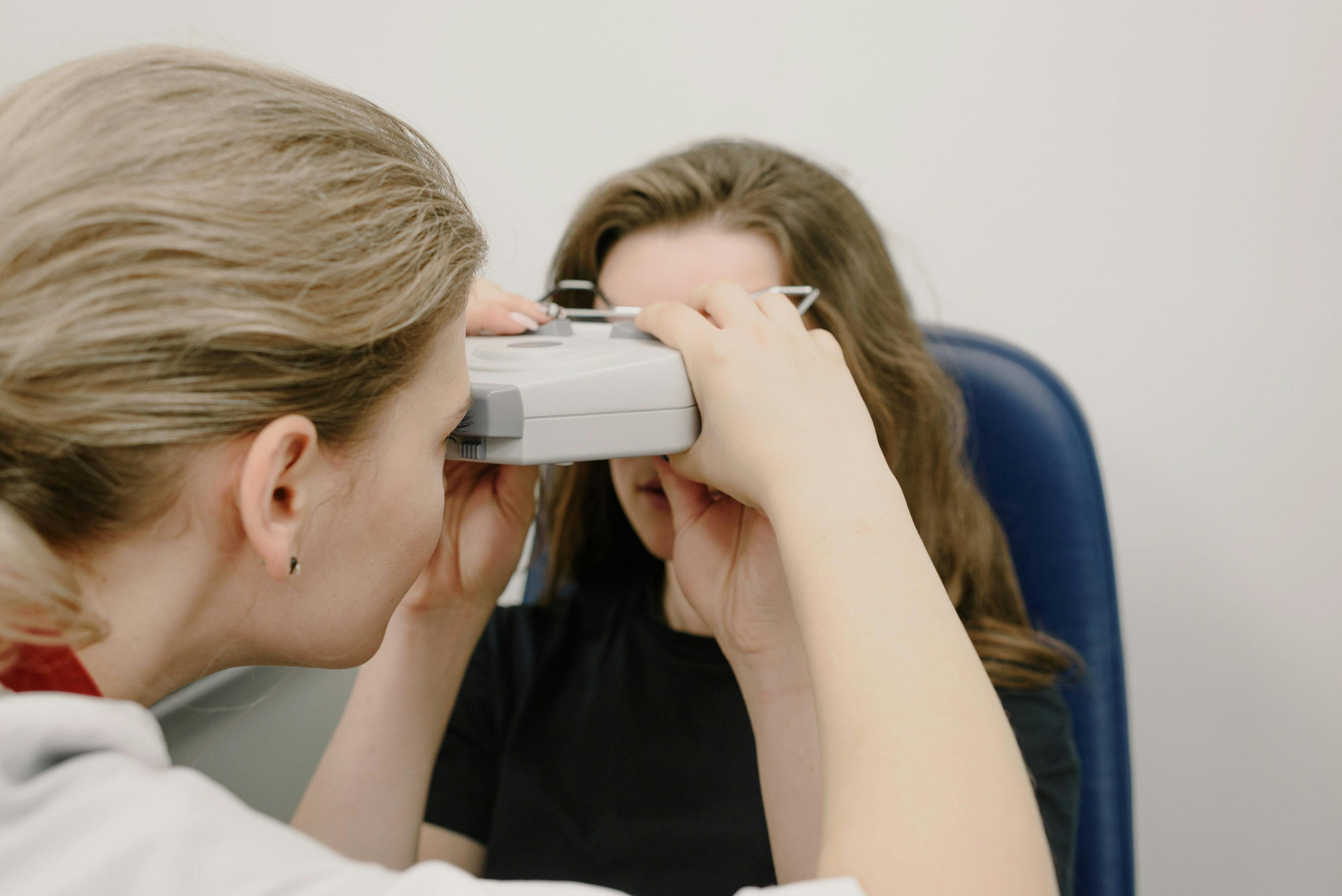
The pre-operative phase typically takes 60 to 90 minutes and includes registration and administrative check-in, verification of your identity and the eye being operated on, checking the surgical consent form, instillation of pupil-dilating eyedrops (these take 20 to 30 minutes to take full effect), and application of topical anaesthesia (numbing eye drops) shortly before the procedure.
You may also have a brief pre-operative assessment by the anaesthetist if sedation is planned. Your surgeon or a member of the surgical team will confirm the details of your procedure and the type of intraocular lens (IOL) being implanted.
Many patients find that the waiting and preparation phase feels longer than the surgery itself. Bringing a companion for support and to drive you home afterwards is recommended.
During Surgery - Step-by-Step Timeline
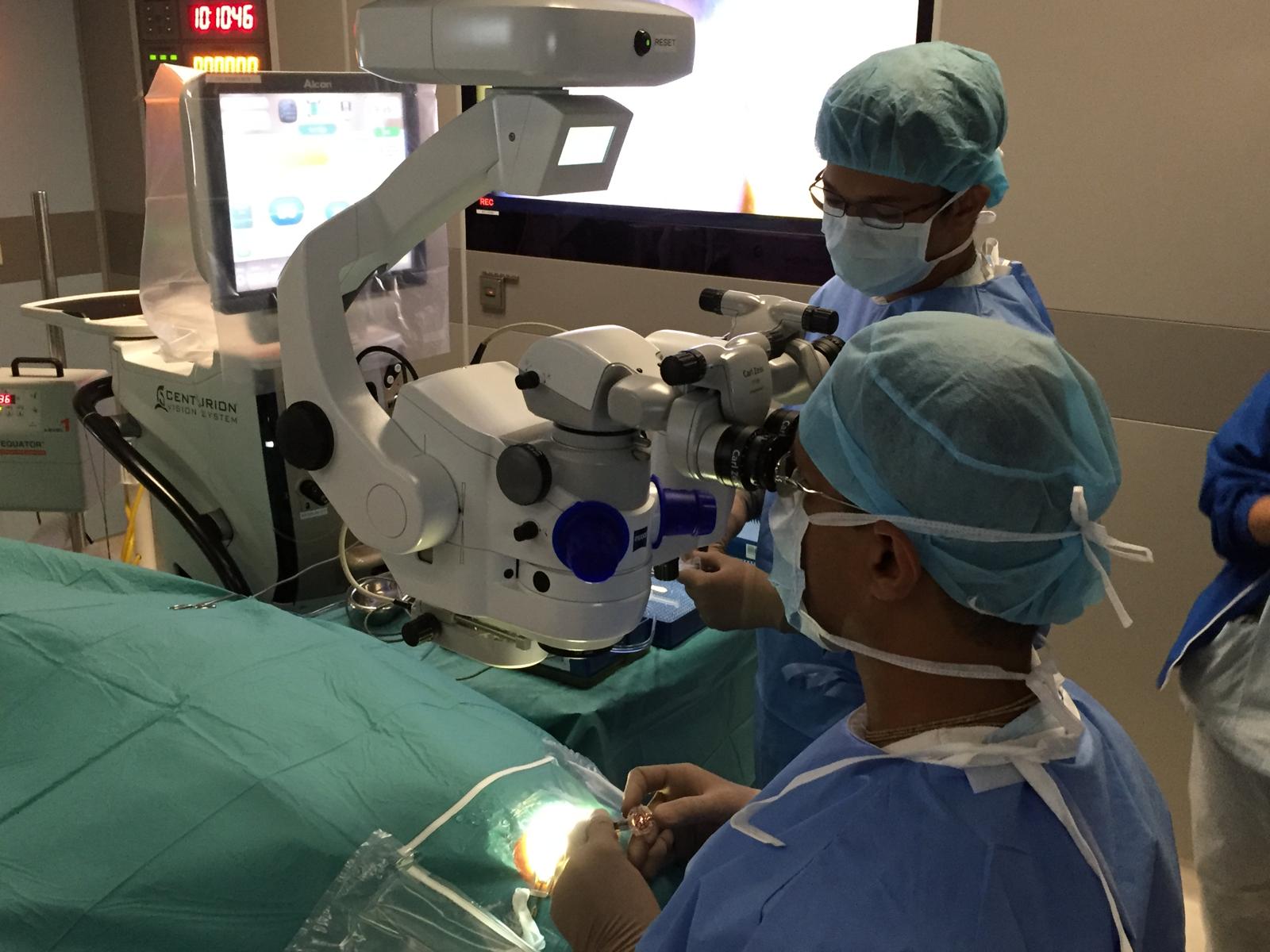
Modern cataract surgery uses a technique called phacoemulsification. The average surgical time for cataract surgery is about 15 minutes, though the total time in the operating theatre including setup is typically 30 to 45 minutes.
Here is a general timeline of what happens during the actual surgical procedure. Your surgeon creates two incisions - a main incision (usually 2 to 3 mm) at the edge of the cornea and a smaller tiny incision about three clock hours away from the main incision at another site at the edge of the cornea. A sterile viscous gel is injected into the eye to protect the cornea. A circular opening is made in the front part of the lens capsule. An ultrasound probe breaks up the cloudy lens into small fragments, which are gently aspirated out of the eye. A new artificial foldable IOL is inserted through the main corneal incision into the eye, and positioned inside the lens capsular bag. The viscous gel is washed out of the eye. The incision is self-sealing in most cases, requiring no stitches.
Throughout the procedure, you will be awake but you feel no pain due to the topical anaesthesia. You may see bright lights and some colours during the surgery, which is normal.
After Surgery - From Recovery Room to Home
After the procedure, you will rest in a recovery area for approximately one to two hours. During this time, the surgical team monitors your eye and ensures there are no immediate complications. You will receive instructions on your post-operative eye drop regimen and activity restrictions.
A protective eye shield is placed over the operated eye. You will need someone to accompany you home, as your vision may be blurry on the day of surgery and you may have received moderate sedation. Most patients notice significant improvement in their vision within 24 to 48 hours.
Your first follow-up appointment is typically scheduled for the next day and then within a few days after the surgery.
Total Time at the Hospital on Surgery Day
To summarise, the total time commitment on surgery day is approximately 2 to 4 hours; arrival and registration takes about 15 to 30 minutes, pre-operative preparation and dilation takes 30 to 60 minutes, the surgical procedure takes 15 to 30 minutes, and post-operative observation and discharge takes 60 to 120 minutes.
Cataract surgery in Singapore is a day procedure; you do not need to stay overnight. You will go home the same day.
Factors That May Affect Surgery Duration
While standard cataract surgery is quick, certain factors can extend the duration of the procedure. Advanced or dense cataracts may require more time to break up and remove out of the eye. Patients with a history of other eye conditions such as pseudoexfoliation, small pupils, or prior eye surgery may require additional surgical steps. Combined procedures; for example, cataract surgery combined with a glaucoma procedure or vitrectomy; will naturally take longer. Very large or very small eyes (with long or very short axial length of the eye) can add complexity to lens power calculations and surgical technique.
Your surgeon will discuss your individual case and any factors that may affect the duration or complexity of your procedure during your pre-operative consultation.
If both eyes need cataract surgery, the procedures are typically performed on separate days, usually at least one to two weeks apart. This allows the first eye to heal and stabilise before the second eye is treated.
Frequently Asked Questions
Can I go back to work the day after cataract surgery?
Many patients can return to desk-based work and light activities within one to two days after cataract surgery. However, your ophthalmologist will advise you based on your individual recovery. Jobs that involve heavy lifting, dusty environments, or strenuous activity may require a longer break; typically two to four weeks.
Why does preparation take longer than the actual cataract surgery?
Pupil dilation alone requires 20 to 30 minutes for the drops to take full effect, and this must be completed before the procedure can begin. Administrative processes, safety checks, and post-operative monitoring also contribute to the total time. The brevity of the actual surgery reflects the efficiency of modern phacoemulsification surgical technique.
Is cataract surgery faster with a more experienced surgeon?
Surgeon experience can contribute to efficiency, but the primary factor affecting duration is the complexity of the cataract itself. Dense, mature cataracts or eyes with complicating factors take longer regardless of the surgeon's experience. An experienced surgeon may handle complex cases more smoothly, but cataract surgery is typically quick for any trained ophthalmologist.
Do I need to stay overnight in hospital for cataract surgery in Singapore?
No. Cataract surgery in Singapore is performed as a day surgical procedure. You will be discharged the same day after a period of post-operative observation. You will need someone to accompany you home, as your vision may be temporarily blurry and you may have received some sedation for the procedure.
References:
Phacoemulsification technique comparison and operative duration. Taylor & Francis Online, 2026.
Complex cataract surgery with combined procedures. PMC, 2026.
Managing complicated cataract referrals. Review of Ophthalmology.
Cataract surgery in Singapore: day-case procedures and costs.
Last reviewed: March 2026
Disclaimer: This article is for general informational purposes only and does not constitute medical advice. Please consult an ophthalmologist for personalised guidance.