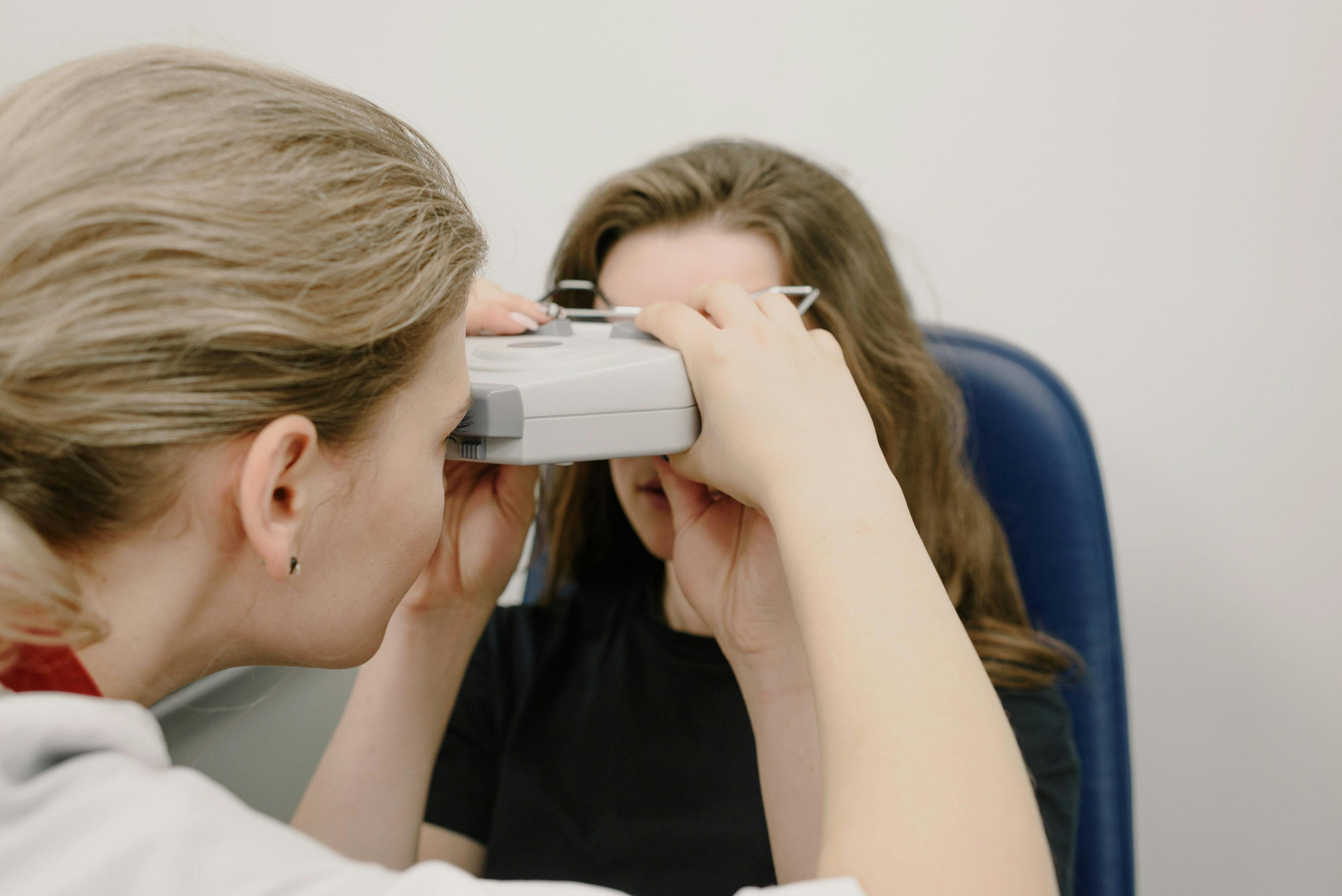
Quick Answer: No, cataract surgery is not painful. Modern phacoemulsification uses topical anaesthesia (numbing eye drops) so you remain awake but feel no pain during the procedure. Most patients report only mild pressure or a sensation of light. Some minor scratchiness or discomfort may occur during the first 24 to 48 hours of recovery, but this typically resolves quickly with prescribed eye drops.
How Anaesthesia Works During Cataract Surgery
One of the most common concerns among patients considering cataract surgery is whether the procedure will hurt. The short answer is that modern techniques have made cataract surgery a comfortable experience for the vast majority of patients.
In Singapore, the standard anaesthesia method for cataract surgery is topical anaesthesia: numbing eye drops applied directly to the surface of the eye. These drops take effect within minutes and block pain signals during the entire procedure. You remain fully conscious throughout, but the eye itself feels no pain.
For patients who may need additional numbing, surgeons can use sub-Tenon's anaesthesia, which involves a small injection of local anaesthetic behind the eye. This provides deeper numbness and also temporarily prevents eye movement, which can be helpful in more complex cases.
In certain situations, such as patients with significant anxiety or those undergoing longer procedures, light intravenous sedation may be offered alongside topical or local anaesthesia. This helps you feel calm and relaxed without the risks of general anaesthesia.
General anaesthesia (being fully asleep) is rarely necessary for cataract surgery. It is typically reserved for patients who cannot cooperate during the procedure due to medical conditions or for young children requiring surgery.
What You Will Actually Feel During the Procedure
Although you will not feel pain, you will be aware of certain sensations during cataract surgery. Understanding what to expect can help reduce anxiety.
During the procedure, patients commonly report feeling mild pressure on or around the eye as the surgeon works. You may also see bright lights or shifting colours, which is normal and not harmful. Some patients describe seeing a kaleidoscope-like pattern. The operating microscope light may seem very bright, but it does not cause discomfort because the eye is fully numbed.
The actual surgical time for standard phacoemulsification is typically between 15 and 30 minutes. Many patients are surprised by how quickly it is over. You will be asked to look at a fixed point of light during the surgery, and the surgical team will guide you throughout.
Research shows that up to 80% of patients experience some degree of pre-operative anxiety before cataract surgery. This anxiety can actually increase the perception of discomfort during the procedure. Your surgical team at IECRC will explain each step beforehand and keep you informed during the operation, which has been shown to be an effective strategy for reducing anxiety.
Is There Pain After Cataract Surgery?
Most patients experience only mild discomfort after cataract surgery, not pain. Common sensations in the first 24 to 48 hours include a gritty or scratchy feeling (similar to having an eyelash in your eye), mild watering or tearing, slight sensitivity to light, and mild blurring of vision.
These symptoms are a normal part of the healing process. Over 95% of cataract surgeries are uncomplicated, and most patients notice significant improvement in their vision within the first few days.
You will be prescribed medicated eye drops; typically a combination of antibiotic and anti-inflammatory drops; to prevent infection and reduce any swelling. Following the post-operative eye drop schedule as directed by your ophthalmologist is important for a smooth recovery.
When to seek immediate attention: While rare, you should contact your eye surgeon promptly if you experience sudden, sharp pain in the eye, a significant drop in vision after initial improvement, increasing redness that does not subside, or persistent flashes of light or new floaters. These could indicate complications such as infection (endophthalmitis) or elevated eye pressure, which require urgent assessment.
Managing Post-Surgery Discomfort at Home
There are several practical steps you can take to keep comfortable during your recovery after cataract surgery.
Use your prescribed eye drops exactly as directed by your ophthalmologist. These drops manage inflammation and prevent infection, both of which contribute to comfort during healing. Wear the protective eye shield provided, especially when sleeping during the first week, to avoid accidentally rubbing or pressing on the eye.
Avoid activities that increase eye pressure or expose the eye to irritants during the first week. This includes heavy lifting, vigorous exercise, swimming, and dusty environments. You may use preservative-free lubricating eye drops (artificial tears) if your eye feels dry or gritty between your prescribed drops.
Most patients can return to light daily activities; such as reading, watching television, and gentle walking; within a day or two. Your ophthalmologist will advise on when you can resume driving, exercise, and other specific activities at your follow-up appointments.
Why Patients in Singapore Choose Private Cataract Surgery
In Singapore, approximately 20% of adults aged 60 and above experience some degree of visual impairment, with cataracts being a common cause. Cataract surgery is one of the most frequently performed eye surgeries in the country and is eligible for MediSave claims, making it accessible for many patients.
Patients who choose a private ophthalmology practice such as IECRC often value the ability to select their preferred intraocular lens (IOL) type, shorter waiting times for surgery, continuity of care with a single named surgeon from consultation through recovery, and a personalised approach to pre-operative counselling and post-operative follow-up.
Whether you are considering cataract surgery or have already been advised to proceed, understanding the pain and comfort aspects of the procedure can help you make a more informed decision.
Frequently Asked Questions
Will I be awake during cataract surgery?
Yes, most cataract surgery in Singapore is performed under topical anaesthesia (numbing eye drops), so you remain awake throughout. Light sedation may be offered to help you feel relaxed, but general anaesthesia is rarely required. Being awake allows you to follow simple instructions during the procedure, such as looking at a fixed light.
How long does the numbing effect last after cataract surgery?
The numbing effect of topical anaesthesia wears off within one to two hours after the procedure. As sensation returns, you may notice mild grittiness or discomfort, which is normal and typically manageable without strong pain medication. Your prescribed eye drops will help control any post-operative inflammation.
What should I do if I feel sharp pain after cataract surgery?
Mild discomfort is normal, but sudden or sharp pain is not expected after cataract surgery. If you experience sharp pain, especially accompanied by a drop in vision, increasing redness, or sensitivity to light, contact your ophthalmologist immediately. These symptoms could indicate a complication that requires prompt assessment.
Can I request to be put to sleep for cataract surgery in Singapore?
General anaesthesia is available but is rarely needed for routine cataract surgery. It may be considered for patients with conditions that make it difficult to remain still or those with severe anxiety that cannot be managed with sedation. Your surgeon will discuss the most appropriate anaesthesia option during your pre-operative consultation.
References:
Supporting anxious patients before cataract surgery. Blue Fin Vision.
Post-cataract surgery recovery time and care. Centre for Sight.
Sub-Tenon's anaesthesia clinical outcomes. Frontiers in Neuroscience, 2026.
Singapore vision impairment statistics. PMC, 2026.
Last reviewed: March 2026
Medically reviewed by Dr Joy Chan, Medical Director & Senior Consultant
Disclaimer: This article is for general informational purposes only and does not constitute medical advice. Please consult an ophthalmologist for personalised guidance.