Dry eye syndrome is one of the most common eye conditions we encounter at IECRC, yet many patients think their only option is to apply artificial tears whenever their eyes feel uncomfortable. The reality is far more sophisticated. Modern dry eye treatment has evolved dramatically, with targeted therapies that address the underlying causes rather than just masking symptoms. If you have tried conventional lubricating drops without lasting relief, advanced treatments available in Singapore can often provide the breakthrough you need.
Key Takeaways
Dry eye syndrome affects 20 to 30% of Asians and requires a precise diagnosis of the underlying cause before treatment
Advanced treatments like BlephEx, Rexon Eye Therapy, and Activa Therapy target specific causes of dry eye, with clinical studies showing success rates exceeding 79%
Meibomian gland dysfunction accounts for approximately 86% of dry eye cases and demands specialized interventions beyond conventional lubricants
Cost-effective combinations available in Singapore, ranging from S$500 to S$4,000 depending on severity
What Is Dry Eye Syndrome?
Dry eye syndrome, also called dry eye disease or keratoconjunctivitis sicca, occurs when your tears cannot adequately lubricate and protect your eyes. Tears are complex fluids composed of water, oils, and mucus in carefully balanced proportions. They serve multiple critical functions: lubricating the eye surface, washing away debris and pathogens, delivering oxygen and nutrients to the cornea, and helping maintain clear vision. When tear production is insufficient, tear quality deteriorates, or tears evaporate too quickly, your eyes become dry, irritated, and vulnerable to damage.
Symptoms of dry eye vary widely. Some people experience a gritty sensation, as if sand is in their eyes, while others feel a burning or stinging pain. Many report blurred vision, paradoxically followed by excessive tearing as the irritated eye reflexively produces tears. Light sensitivity, redness, and discomfort worsening throughout the day are common. Interestingly, severe dry eye can cause excessive tearing because the irritated ocular surface triggers a reflex tear response, creating a confusing situation where patients with dry eyes paradoxically report watery eyes.
Dry eye is not merely a comfort issue. Untreated chronic dry eye can cause inflammation of the cornea and conjunctiva, leading to scarring, vision degradation, and in severe cases, corneal ulceration. Early diagnosis and targeted treatment prevent these serious complications and restore quality of life.
Why Is Dry Eye So Common in Singapore?
Singapore's climate and lifestyle create a perfect storm for dry eye disease. The tropical heat accelerates tear evaporation, constantly challenging your tear film. Air conditioning, ubiquitous in offices, shopping malls, and homes, further dries the air and draws moisture from your eyes. Many Singaporeans spend long hours in front of screens for work, study, or entertainment, which dramatically reduces blinking frequency. When you concentrate on a screen, your blink rate drops from the normal 15 to 20 blinks per minute to just 4 to 8 blinks per minute, causing tears to evaporate unchecked.
Contact lens wear is extremely prevalent in Singapore, particularly among young adults seeking to correct myopia without glasses. Contact lenses cover the cornea, reducing oxygen transmission and increasing evaporative tear loss. They also absorb tear film components, altering tear chemistry. Many contact lens wearers in Singapore develop dry eye symptoms that worsen over the day as lenses accumulate tear deposits and proteins.
Additionally, Singapore's aging population means more Asians are reaching the ages where dry eye incidence rises sharply. Hormonal changes, medications for chronic conditions, and systemic diseases become more prevalent with age, all contributing to dry eye development. The combination of these demographic, environmental, and behavioral factors explains why dry eye has become one of the most prevalent eye conditions in Singapore.
Types of Dry Eye: Understanding the Root Cause
Dry eye is not a single disease but a spectrum of conditions arising from different mechanisms. The Dry Eye Workshop II (DEWS II) classification framework, developed by leading international ophthalmologists, divides dry eye into two broad categories based on the mechanism of tear insufficiency.
Aqueous-Deficient Dry Eye
Aqueous-deficient dry eye (ADED) occurs when the lacrimal glands fail to produce sufficient tear water. Autoimmune conditions like Sjogren's syndrome attack and destroy lacrimal tissue, while medications such as antihistamines, antidepressants, and blood pressure medications can reduce tear secretion as a side effect. Surgical removal or damage to lacrimal glands also causes ADED. While ADED accounts for a smaller proportion of dry eye cases globally, it tends to be more severe and challenging to treat because the fundamental problem is insufficient tear production.
Evaporative Dry Eye and Meibomian Gland Dysfunction
Evaporative dry eye (EDE) results from excessive tear evaporation, typically caused by meibomian gland dysfunction (MGD). The meibomian glands are tiny oil-producing glands lining your eyelids. They secrete lipids that form the outermost layer of your tear film, slowing evaporation. When these glands become obstructed, inflamed, or atrophic, they cannot deliver adequate oil, allowing tears to evaporate rapidly from the eye surface.
MGD is the dominant cause of dry eye, accounting for approximately 86% of cases. In Singapore, MGD prevalence is particularly high due to screen exposure, low humidity, and air conditioning. Blepharitis, inflammation of the eyelid margin, is often associated with MGD and perpetuates the cycle of gland dysfunction and tear film instability.
Mixed Dry Eye
Many patients have components of both aqueous deficiency and evaporative disease, termed mixed dry eye. They may have mild tear production insufficiency combined with moderate meibomian gland dysfunction. Distinguishing the primary mechanism is crucial because treatment differs based on the underlying cause.
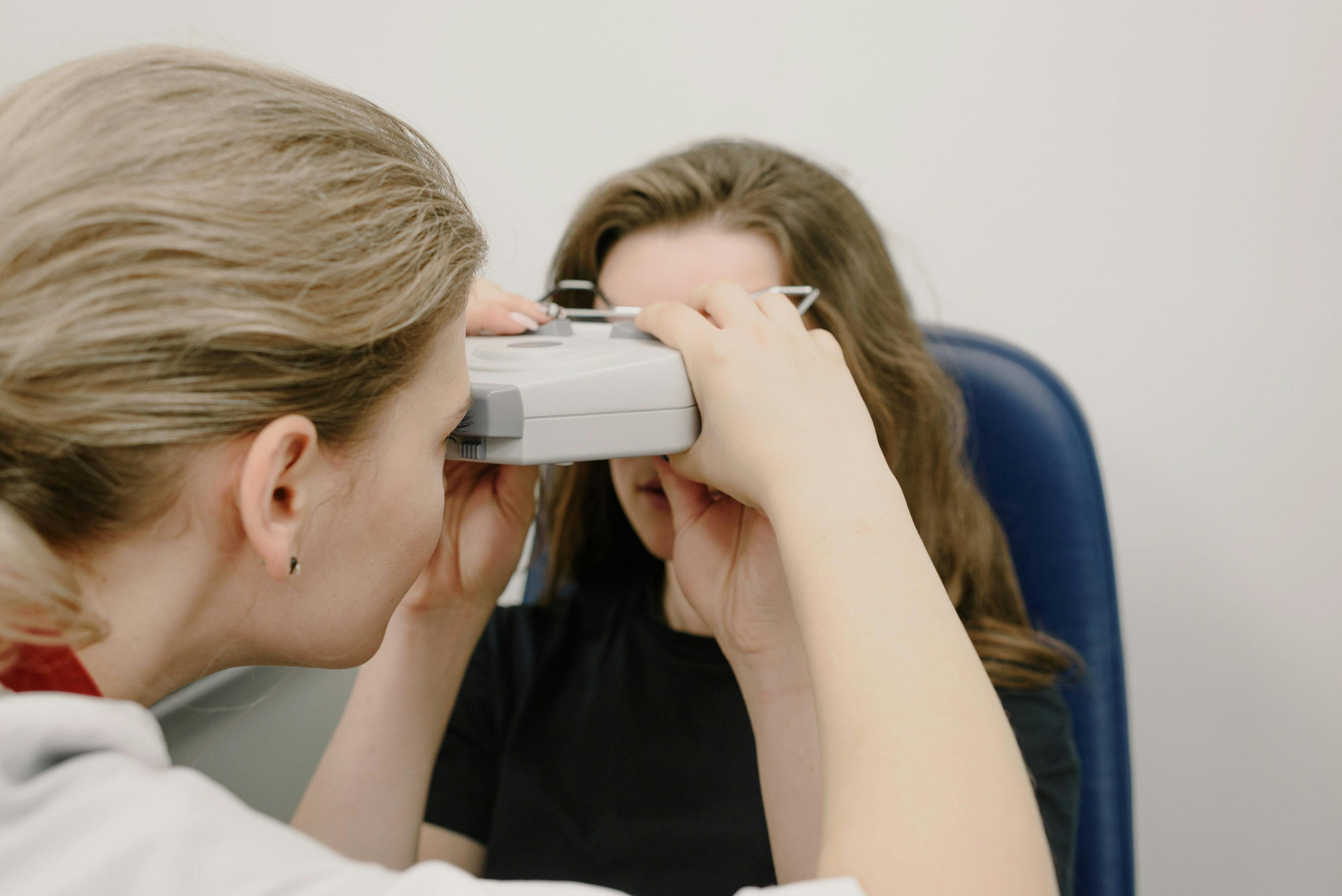
At IECRC, we perform diagnostic testing to determine your specific dry eye phenotype. Tear production is measured with the Schirmer test, while tear evaporation rate and lipid layer quality are assessed with advanced imaging and diagnostic technologies. This precision diagnosis ensures you receive targeted treatment rather than a one-size-fits-all approach.
Beyond Eye Drops: Why Lubricants Alone Are Not Enough
Artificial tear lubricants are the first-line treatment for most dry eye patients and provide symptomatic relief for many. However, conventional eye drops have significant limitations, which is why patients often find that their symptoms return shortly after applying drops.
Most artificial tears address only the water component of your tear film. They do nothing to restore the lipid layer, restore meibomian gland function, or reduce inflammation driving dry eye. When you have MGD, the fundamental problem is insufficient oil in your tears, not just insufficient water. Applying more water-based drops cannot compensate for missing lipids. Your eyes continue to lose tears through rapid evaporation despite frequent drop application, leading to a frustrating cycle of dependency on drops without durable improvement.
Furthermore, frequent artificial tear use can paradoxically worsen dry eye over time. Many conventional drops contain preservatives that irritate the ocular surface with repeated use, triggering inflammation and disrupting the delicate tear film chemistry. This drives patients to use more drops more frequently, perpetuating inflammation rather than healing it. Preservative-free formulations help, but they still do not address the underlying pathology.
Advanced dry eye treatments work differently. Instead of temporarily lubricating, they target the root mechanisms of your dry eye: restoring gland function, reducing inflammation, clearing blockages, and rebuilding tear film quality. This approach offers the potential for lasting improvement, not just temporary symptom relief.
BlephEx Treatment for Blepharitis-Related Dry Eye
BlephEx is an in-office procedure that mechanically removes bacterial biofilm, debris, and inflammatory material from your eyelid margins. Blepharitis is chronic inflammation of the eyelid, often caused by bacterial overgrowth and biofilm formation on the lashes and lid margin. This inflammation disrupts meibomian gland function, creating a vicious cycle where gland blockage and dysfunction perpetuate blepharitic inflammation.
During BlephEx, your ophthalmologist uses a specialized rotating micro-exfoliation applicator to gently cleanse the eyelid margins, removing biofilm and bacterial toxins. The procedure takes approximately 10 to 15 minutes and is well-tolerated with minimal discomfort. No anesthesia or numbing drops are typically needed, though some patients appreciate topical anesthetic for comfort.
The benefits of BlephEx extend beyond immediate symptom relief. By removing biofilm and bacterial load, BlephEx reduces eyelid inflammation, allows meibomian glands to function more effectively, and restores a healthier eyelid ecosystem. Many patients experience improvement in their meibomian gland secretion quality within days and continued improvement over several weeks as chronic inflammation resolves.
BlephEx typically provides benefit lasting 3 to 6 months. Some patients benefit from periodic repeat treatments, while others experience lasting improvement after one or two procedures. The cost in Singapore ranges from S$500 to S$1,000 per treatment, making it an economical intervention for blepharitis-related dry eye. Results are most dramatic in patients with moderate to severe blepharitis; those with minimal eyelid inflammation may see limited benefit.
Rexon Eye Therapy
Rexon Eye Therapy is an advanced form of intense pulsed light (IPL) specifically calibrated for ocular use. IPL delivers controlled light energy that reduces eyelid inflammation, kills demodex mites (microscopic parasites that trigger blepharitis), and stimulates meibomian gland secretion. Unlike general facial IPL used for cosmetic purposes, ocular IPL is precisely tuned to wavelengths that are safe for and effective on the delicate eye area.
During Rexon treatment, protective shields are placed over your eyes, and controlled light pulses are delivered to your lower eyelids. You may feel mild warmth but typically experience no significant pain. Each session lasts 15 to 20 minutes. Most treatment protocols involve 4 to 6 sessions spaced 2 to 4 weeks apart, followed by maintenance treatments every 6 to 12 months.
The efficacy data for IPL therapy is impressive. Clinical studies demonstrate 83.3% complete or near-complete eradication of demodex mites after 3 months of treatment, and 79.5% of patients achieved significant clinical improvement in dry eye symptoms. Patients treated with 3 IPL sessions showed superior outcomes compared to those receiving only 2 sessions, suggesting a dose-response relationship. Importantly, benefits persist even after treatment concludes, as the eradication of demodex and reduction in meibomian gland inflammation translate to sustained improvement.
Rexon is particularly effective for demodex-related blepharitis and evaporative dry eye. It is less effective for aqueous-deficient dry eye, where tear production insufficiency is the primary problem. The cost in Singapore ranges from S$1,500 to S$3,500 for a full treatment course (4 to 6 sessions), comparable to several months of advanced lubricating drops. Long-term cost-effectiveness becomes apparent when you consider that benefits often persist for a year or more between maintenance treatments.
Activa Therapy for Meibomian Gland Dysfunction
Activa Therapy is a radiofrequency-based treatment designed to restore meibomian gland function. The treatment delivers controlled radiofrequency energy through the eyelid skin to heat and stimulate meibomian glands at depth, improving their secretion without causing surface burn or discomfort. Radiofrequency energy increases tissue temperature to therapeutic levels, enhancing lipid secretion and reducing gland inflammation.
During Activa Therapy, a handpiece is applied to your lower eyelids while protecting your eyes and surrounding tissues. The procedure typically takes 15 to 20 minutes and causes minimal discomfort. Most patients describe a warm sensation rather than pain. Treatment protocols typically involve 4 weekly or bi-weekly sessions followed by periodic maintenance.
Activa is particularly suited for pure meibomian gland dysfunction without significant blepharitis or demodex involvement. It restores gland secretion capacity, improves tear film lipid content, and reduces evaporative dry eye symptoms. Patient satisfaction with Activa is high, and benefits often emerge within 1 to 2 weeks of initiating treatment. The cost in Singapore ranges from S$400 to S$800 per session, with typical full courses costing S$1,600 to S$3,200.
Other Advanced Dry Eye Treatments
Beyond the three major therapies, several additional options are available in Singapore for specific dry eye presentations.
Punctal plugs are tiny synthetic devices inserted into the drainage ducts of your eyelids, slowing tear loss from the eye surface. By reducing tear drainage, punctal plugs allow your existing tears to bathe the eye longer, providing benefit for patients with tear production insufficiency. Punctal plugs cost S$300 to S$800 depending on material and durability. Some dissolve over weeks while others remain permanent and require removal if complications arise. They are particularly useful for mild aqueous-deficient dry eye but do not help patients with meibomian gland dysfunction as the primary problem.
Cyclosporine eye drops (Restasis) are prescription-strength anti-inflammatory medications that reduce ocular surface inflammation driving dry eye. Unlike lubricants, cyclosporine addresses the immunological mechanisms perpetuating dry eye, promoting tear production and reducing symptoms. Cyclosporine requires consistent use for 2 to 3 months before benefits emerge, and it is expensive in Singapore, but it provides durable benefit for appropriate candidates. It is particularly effective for aqueous-deficient dry eye from autoimmune causes.
Autologous serum eye drops are custom eye drops made from your own blood serum. Serum contains growth factors and other bioactive molecules that are highly physiological and well-tolerated by the ocular surface. These drops are reserved for severe dry eye unresponsive to other treatments, as they require blood draws and laboratory processing. Cost is high, typically S$800 to S$2,000 per month, but for severe cases, the personalized nature makes them worthwhile.
Omega-3 fatty acid supplementation addresses systemic lipid insufficiency contributing to meibomian gland dysfunction. High-quality omega-3 supplements, particularly those with higher EPA and DHA content, improve tear film lipid composition and reduce dry eye symptoms in patients with dietary deficiency. While less dramatic than procedural treatments, omega-3 therapy is inexpensive (S$20 to S$50 monthly), safe, and synergistic with other dry eye treatments. A 3-month trial is reasonable for patients with mild to moderate dry eye.
When to See a Dry Eye Specialist
Many patients self-treat dry eye with over-the-counter drops, sometimes for years, without recognizing that their underlying condition requires professional evaluation and targeted therapy. If you experience any of the following, consultation with a dry eye specialist is warranted.
Persistent symptoms despite frequent artificial tear use suggests inadequate response to symptom-masking approaches. A specialist can identify the underlying cause and recommend mechanism-based treatment. Recent onset of dry eye with significant impact on quality of life warrants prompt evaluation to prevent progression and identify any systemic conditions. Symptoms limiting your screen time, work capacity, or driving indicate moderate to severe dry eye deserving specialist assessment. Contact lens intolerance due to dryness often improves dramatically with targeted dry eye treatment. A history of autoimmune disease raises concern for Sjogren's syndrome and aqueous-deficient dry eye requiring specialized management.
At IECRC, our dry eye specialists begin with comprehensive diagnostic testing. Beyond your symptom history and clinical examination, we perform tear osmolarity measurement, meibography (imaging of meibomian glands), and assessment of tear break-up time to characterize your dry eye phenotype. This precision diagnosis allows us to recommend the specific combination of treatments most likely to help you. Many patients benefit from a multi-modal approach combining one or more procedural therapies with medical management, offering synergistic benefit that exceeds any single treatment alone.
Cost of Advanced Dry Eye Treatment in Singapore
The cost of advanced dry eye treatment varies significantly based on the specific therapies and number of sessions required.
Artificial tear drops, the most basic option, cost S$15 to S$50 monthly for conventional lubricants, with some premium formulations reaching S$80 to S$120 monthly. While affordable, they provide only temporary relief for most patients with significant dry eye.
Punctal plugs cost S$300 to S$800 depending on material, with permanent plugs at the higher end. This is a one-time cost, though permanent plugs occasionally require removal if complications occur.
BlephEx treatment costs S$500 to S$1,000 per session. Most patients benefit from one or two treatments initially, with periodic repeat sessions as needed.
Intense pulsed light (Rexon therapy) ranges from S$1,500 to S$3,500 for a full initial treatment course of 4 to 6 sessions. Maintenance treatments cost S$300 to S$600 per session annually.
Activa therapy costs S$400 to S$800 per session, with full courses typically involving 4 to 6 sessions totaling S$1,600 to S$4,800.
Cyclosporine drops (Restasis) cost S$100 to S$200 monthly, requiring long-term use.
Autologous serum drops are the most expensive option at S$800 to S$2,000 monthly, reserved for severe cases.
Omega-3 supplementation costs S$20 to S$50 monthly and offers the most economical option.
Many patients achieve excellent results with combination therapy, such as BlephEx followed by Rexon or Activa, plus omega-3 supplementation. The total cost of a comprehensive initial approach might range from S$2,000 to S$4,000, but many patients experience lasting improvement reducing their reliance on expensive drops and providing years of benefit. Discussing your budget and preferences with your ophthalmologist allows tailoring a treatment plan that balances cost-effectiveness with optimal outcomes.
Frequently Asked Questions
Can dry eye syndrome be cured permanently?
Dry eye syndrome can rarely be completely cured, but it can be dramatically improved with targeted treatment. Many patients experience sustained improvement allowing significant reduction in artificial tear use or complete elimination of drops. The extent of improvement depends on the underlying cause. Patients with meibomian gland dysfunction often achieve excellent long-term results with procedures like Rexon or Activa therapy. Those with autoimmune-related aqueous deficiency may achieve good control but typically require ongoing management. Success requires combining the appropriate procedural treatment with consistent home care and, often, long-term medical therapy.
What is the best treatment for dry eyes in Singapore?
There is no single best treatment for all dry eye patients because different people have different underlying causes. At IECRC, we begin with precise diagnostic testing to identify whether your dry eye is aqueous-deficient, evaporative, or mixed. We then recommend specific treatments targeting your identified mechanism. Many patients benefit from combination therapy, such as BlephEx or Rexon therapy combined with punctal plugs and omega-3 supplements. Your ophthalmologist will discuss options and work with you to select the approach offering the best balance of efficacy, cost, and convenience for your individual situation.
Is dry eye dangerous or just uncomfortable?
While dry eye often feels uncomfortable, it is not merely a comfort issue. Chronic untreated dry eye causes inflammation of your cornea and conjunctiva, potentially leading to scarring, vision degradation, and in severe cases, corneal ulceration and permanent vision loss. Inflammation also perpetuates dry eye in a vicious cycle, making symptoms progressively worse. Additionally, poor tear quality compromises your eye's defenses against infection. For these reasons, dry eye warrants prompt evaluation and treatment rather than dismissal as a minor inconvenience.
How long does BlephEx treatment last?
BlephEx benefits typically last 3 to 6 months. After this period, bacterial biofilm and inflammation can gradually recur, potentially requiring repeat treatment. Many patients benefit from one BlephEx session providing relief for several months, while others prefer periodic repeat treatments every 3 months for continuous improvement. Combining BlephEx with other therapies like Rexon or Activa extends overall benefit duration, as the treatments address different pathogenic mechanisms and have synergistic effects.
Can screen time cause dry eye?
Yes, extensive screen time is a major risk factor for dry eye. When concentrating on screens, your blinking frequency drops dramatically from the normal 15 to 20 blinks per minute to just 4 to 8 blinks, causing tears to evaporate rapidly. Screen exposure is particularly prevalent in Singapore, contributing significantly to dry eye incidence. Reducing screen time, taking frequent breaks (at least every 20 minutes look away for 20 seconds at something distant), maintaining proper screen distance, and optimizing screen height all help. Additionally, treating underlying dry eye with advanced therapies often allows comfortable screen use that would otherwise be impossible.
Should I stop wearing contact lenses if I have dry eye?
Contact lenses can contribute to dry eye, but they need not be permanently abandoned. Many patients with mild to moderate dry eye successfully wear contact lenses after treating their dry eye with appropriate therapies. At IECRC, we work with patients to optimize contact lens comfort by treating underlying dry eye with procedures like Rexon or Activa therapy, prescribing appropriate lubricating drops, and sometimes recommending daily disposable lenses which minimize protein and deposit accumulation. In cases of severe dry eye, switching to spectacles temporarily while undergoing treatment often allows eventual return to lens wear once dry eye improves.
References
Tear Lab Corporation. Dry Eye WorkShop II (DEWS II) Classification Framework. Retrieved from https://www.tearlab.com/education/dews-ii
American Academy of Ophthalmology. Dry Eye Disease: Resources and Information. Retrieved from https://www.aao.org/eye-health/diseases/dry-eye
Craig JP, Nelson JD, Itzen F, et al. TFOS DEWS II Definition and Classification Report. The Ocular Surface. 2017;15(3):276-283. https://pmc.ncbi.nlm.nih.gov/articles/PMC12928939/
Frontiers Research Topic: Meibomian Gland Dysfunction Pathophysiology and Management. Retrieved from https://www.frontiersin.org/research-topics/79136/
Jiang M, Lei K, Tian J, et al. Intensive pulsed light treatment for meibomian gland dysfunction and dry eye: a randomized controlled trial. Investigative Ophthalmology & Visual Science. 2024;65(2):18. https://pmc.ncbi.nlm.nih.gov/articles/PMC12928939/
Last reviewed: March 2026
Disclaimer: This article is for educational purposes and does not replace professional medical advice. Dry eye syndrome has multiple underlying causes, and treatment must be individualized based on diagnostic findings. Always consult an ophthalmologist for proper evaluation, diagnosis, and personalized treatment recommendations. Results and outcomes vary based on the specific cause and severity of your condition.