Key Takeaways
Eyelid surgery can be medically necessary (covered by Medisave) or purely cosmetic (not covered)
Medical conditions like ptosis, dermatochalasis, entropion, and ectropion cause functional problems
Documentation is critical: visual field testing, photographs, levator function assessment
Costs range from S$300 to S$8,000+ with medical cases covered 50-70% via Medisave/insurance
Medical vs Cosmetic Eyelid Surgery: The Key Distinction
The distinction between medical and cosmetic eyelid surgery determines whether your insurance or Medisave will cover the procedure. Understanding this difference is crucial, as coverage can save thousands of dollars for qualifying patients.
A medical eyelid surgery addresses a condition that impairs function and causes documented harm to your vision or eye health. These include ptosis (droopy eyelid), dermatochalasis (excess eyelid skin), entropion (inward-turning lid), ectropion (outward-turning lid), and eyelid tumours. Medical eyelid surgery corrects the underlying anatomical problem, restoring normal lid function and protecting your vision.
A cosmetic eyelid surgery, by contrast, is performed purely for aesthetic improvement. You feel fine, your eyes function normally, and your vision is unaffected. You're seeking a more youthful appearance, removal of under-eye bags, or a perceived aesthetic improvement. These procedures are not medically indicated; they're optional enhancements.
Insurance and Medisave distinguish between medical and cosmetic based on strict clinical criteria. An eyelid surgery is covered if it meets one or more of these medical indications: visual field obstruction, documented loss of vision, difficulty with visual tasks (like driving), eye protection deficiency, or documented eye irritation or pain. If none of these apply, the surgery is classified as cosmetic and is not covered.
The classification can be nuanced. A patient with mild excess upper eyelid skin (dermatochalasis) who sees perfectly fine and has no visual field loss would be classified as cosmetic. The same patient with similar eyelid appearance but with documented superior visual field defect from the drooping lid would be classified as medical. This is why documentation is so important.
Medical IndicationsCosmetic IndicationsCoverage StatusDrooping lid blocking vision (ptosis)Removing under-eye bags for appearanceMedical: CoveredVisual field defect from excess lid skinAge-related lid appearance changeCosmetic: Not coveredInward-turning lid rubbing cornea (entropion)Desire for more youthful appearanceMedical: CoveredOutward-turning lid causing dryness (ectropion)Reducing appearance of wrinklesCosmetic: Not coveredEyelid tumour or lesionEye bag reduction for looksMedical: CoveredLid dysfunction from trauma or surgeryAesthetic brow liftCosmetic: Not coveredLevator dysfunction causing eye irritationPreference for "double eyelids"Medical: Covered if dysfunctional
At IECRC, our approach is to thoroughly evaluate whether your eyelid condition is truly functional. We perform visual field testing, photography, and detailed levator function assessment. If medical indications are present, we document them thoroughly to support insurance claims. If your condition is purely cosmetic, we're honest about this and can discuss your options, including referral to cosmetic surgeons if you wish to pursue aesthetic procedures.
Medical Conditions That Require Eyelid Surgery
Let's examine the most common medical eyelid conditions that require surgery.
Ptosis (Droopy Eyelid)
Ptosis is a drooping of the upper eyelid. The extent is measured by the margin-reflex distance (MRD1, the distance from the eyelid margin to the corneal reflex). Normal is approximately 4-5 millimeters. Ptosis is typically diagnosed when MRD1 is less than 2 millimeters.
Ptosis has multiple causes: age-related levator muscle weakness (aponeurotic ptosis, the most common), injury to the levator muscle, third nerve palsy, myasthenia gravis, and congenital abnormalities. Regardless of cause, severe ptosis obstructs vision, particularly affecting the superior visual field. It can also cause:
Amblyopia (lazy eye) if ptosis occurs in childhood, as the drooping lid prevents light from reaching the retina.
Eye strain and neck strain from compensatory head-back posturing to see beneath the drooping lid.
Difficulty with safety-sensitive tasks like driving.
Social embarrassment in some patients.
Treatment of ptosis involves surgical advancement or resection of the levator muscle (the muscle that elevates the eyelid) or resection of the Müller muscle. Surgery typically results in excellent outcomes, with most patients achieving symmetric lids and restored vision.
It's worth noting that prevalence of ptosis increases dramatically with age, affecting up to 10-15 percent of people over 65 in Western populations. Among East Asian populations, where anatomic variations create a naturally higher incidence of single-fold eyelids, ptosis is even more common. This has driven an enormous cosmetic blepharoplasty industry in Asia, with 92 percent of blepharoplasties for aesthetic reasons in Asian countries being for eyelid surgery.
Dermatochalasis
Dermatochalasis is excess upper eyelid skin. As we age, eyelid skin loses elasticity and can become redundant and baggy. Severe dermatochalasis can obstruct vision, particularly the superior visual field, impairing reading and driving. Insurance requires documented evidence of this obstruction.
The standard diagnostic test is visual field perimetry with and without the excess eyelid manually lifted. If visual field testing shows a superior defect with the lid down but normal with the lid lifted, this documents functional impairment.
Patients might also have difficulty with visual tasks: "My eyes feel heavy" or "I have to tilt my head back to see properly." These subjective symptoms alone don't constitute medical indication, but combined with visual field documentation, they support medical classification.
Dermatochalasis is treated with upper blepharoplasty, which removes excess skin and, when needed, excess fat. Outcomes are excellent, with restored vision and improved appearance as pleasant bonus.
Entropion
Entropion is inward turning of the eyelid margin, usually the lower lid. Causes include age-related changes, previous eye surgery, scarring, or involutional changes. When the eyelid turns inward, eyelashes and lid skin rub against the cornea, causing pain, foreign body sensation, tearing, and potentially corneal scarring and infection.
Entropion is medically indicated for surgery because it damages the eye. Treatment involves tightening the eyelid tendon or resecting the overactive lid muscle. Surgery reliably corrects the problem and prevents further corneal damage.
Ectropion
Ectropion is outward turning of the eyelid margin, usually the lower lid. The causes are similar to entropion: age-related laxity, scarring, or surgery. When the lid turns outward, the conjunctiva (normally tucked inside) becomes exposed. This causes:
Tearing and drainage problems (tears cannot reach the lacrimal punctum when the lid is everted).
Dry eye and corneal damage (the eyelid doesn't distribute tears across the eye).
Conjunctival irritation and redness.
Entropion is medically indicated for surgery to restore normal lid function and protect the eye. Treatment involves tightening or repositioning the eyelid. Outcomes are usually good, though the surgery can be complex if scarring is present.
Chalazion and Stye
A chalazion is a painless swelling of the eyelid from a blocked meibomian gland (oil gland). A stye (hordeolum) is a painful infection of eyelash follicles or oil glands. While many chalazia resolve spontaneously, some persist and can be bothersome or cosmetically obvious. Large or recurrent chalazia may be surgically removed.
A stye that is persistently infected or forms an abscess may require drainage. These procedures are medically indicated and are covered by insurance.
Eyelid Tumours
Various benign and malignant tumours can occur on the eyelid. These require surgical removal for diagnosis and treatment. Eyelid tumour removal is clearly medically indicated and is covered by insurance.
What Does Eyelid Surgery Involve?
Eyelid surgeries vary in technique depending on the condition and your anatomy. Here's an overview of the main procedures.
Ptosis Repair
Ptosis repair involves advancing the levator muscle (the muscle that lifts the eyelid) or, in some cases, resecting the Müller muscle (a supplementary muscle that helps elevation). Under local anesthesia, the surgeon makes an incision in the eyelid crease. The levator tendon is identified, advanced forward, and reattached to create better lid elevation.
Some surgeons use an alternative approach where they work through the conjunctiva (the inside of the eyelid), avoiding a skin incision, though this approach cannot achieve the precision of a transcutaneous approach for most cases.
The procedure takes 30-45 minutes per eye. Precision is critical because over-correction (too much lift) or under-correction (insufficient lift) can result. Some surgeons deliberately slightly under-correct, knowing that the eye may adjust over time, and slight over-correction might cause difficulty closing the eye completely.
Upper Blepharoplasty
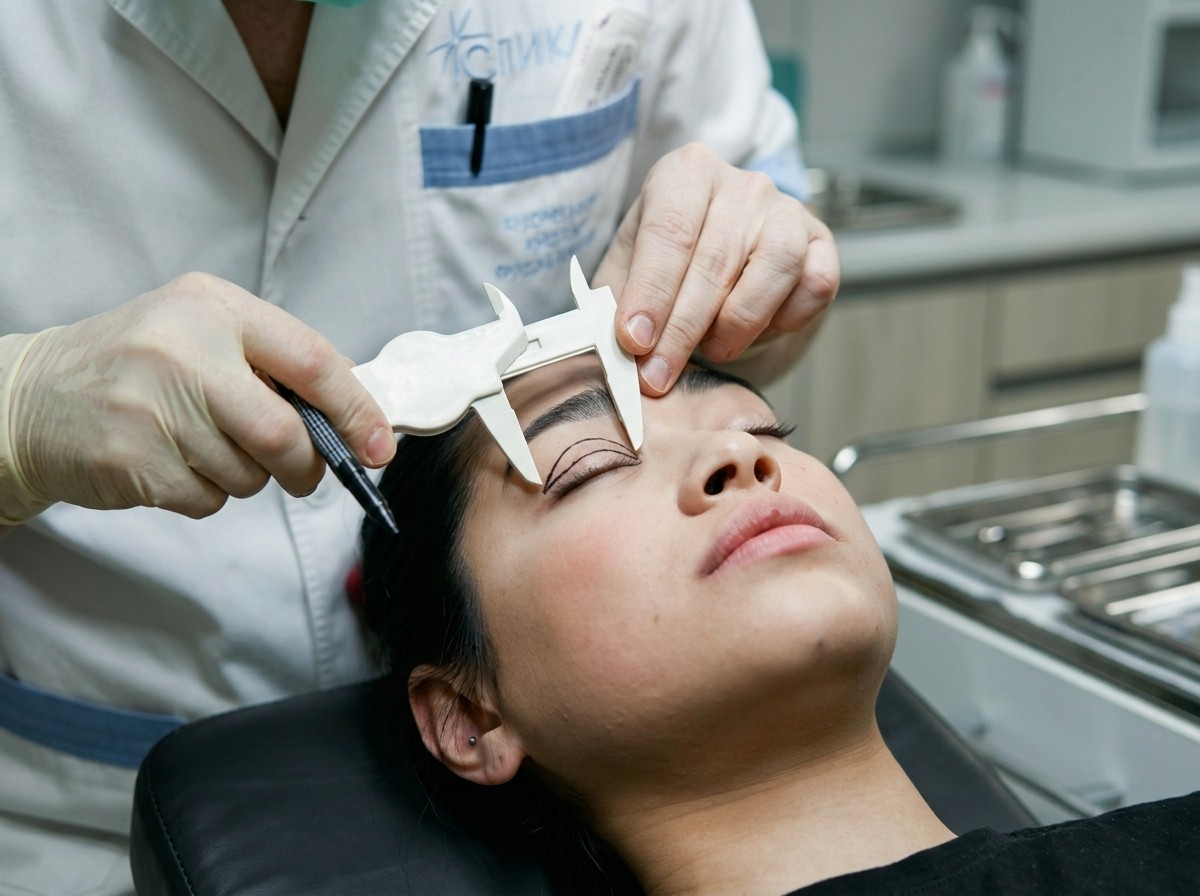
Upper blepharoplasty removes excess eyelid skin and, when needed, excess fat. The surgeon marks the amount of excess skin, usually following the natural eyelid crease. Under local anesthesia, an incision is made in the marked area, excess skin is removed, and excess fat is carefully removed if present. The incision is closed with fine sutures, which are removed after 7-10 days.
The procedure takes 30-60 minutes depending on complexity. Precision in symmetric removal is important; the eyelids should look balanced.
Entropion and Ectropion Repair
These procedures involve tightening and repositioning the eyelid. For entropion, the approach depends on severity and cause. For mild involutional entropion, a horizontal lid shortening procedure (tightening the lid) is often effective. For more severe cases, the overactive lid muscle (lower lid retractor) is recessed.
For ectropion, depending on the cause, procedures include horizontal shortening, tarsal strip procedures, and in some cases, tissue grafting if scarring is severe.
These surgeries are more technically demanding than blepharoplasty and are often performed by oculoplastics specialists.
Chalazion Incision and Drainage
If a chalazion doesn't resolve on its own, it can be removed surgically. The procedure is simple: local anesthesia is applied, an incision is made over the chalazion (usually on the inner lid surface to avoid a visible scar), and the contents are curetted out. The incision often doesn't require sutures or heals with minimal scarring.
Recovery After Eyelid Surgery
The recovery timeline varies slightly depending on the type of surgery, but here's what typically happens.
Days 1 to 3: Peak Swelling. Expect significant eyelid swelling and bruising, particularly after blepharoplasty or entropion repair. This is normal and frightening for some patients, but it resolves. Ice packs applied for 15-20 minutes every hour for the first 24-48 hours minimize swelling. Most patients stay home these first few days.
Week 1: Initial Healing. Swelling remains significant but begins to improve. Sutures are typically removed around day 7. At this point, your eyes look obviously "post-surgery" but you might feel more confident going out with dark sunglasses.
Weeks 2 to 3: Continued Improvement. Swelling continues to decrease. By the end of week 2, most people feel comfortable returning to light office work or low-key social activities. You might notice some residual swelling and look "tired," but the worst is over.
Week 4 to 6: Approaching Normal. Swelling has largely resolved. Most people can resume exercise and all normal activities. You may have some mild residual swelling that takes weeks to fully resolve.
3 months: Final Result. By three months, virtually all swelling has resolved, incisions have matured, and the final surgical result is visible. Final incision appearance continues to improve over 6-12 months as scar tissue matures.
Some specific points:
Avoid strenuous activity, heavy lifting, and intense exercise for at least one week, preferably two. Straining increases blood pressure and swelling.
Avoid bending forward excessively for the first few weeks.
Sleep with your head elevated on extra pillows to minimize nocturnal swelling.
Use prescribed antibiotic ointment and drops as directed.
Avoid eye makeup for at least two weeks.
Avoid swimming and water exposure until sutures are removed and the wound is fully healed.
Sunglasses protect against bright light sensitivity and hide the surgical appearance while healing.
Most patients report mild discomfort rather than pain. Any severe pain should be reported to your surgeon immediately.
When Is Eyelid Surgery Covered by Insurance or Medisave?
For your eyelid surgery to be covered, strict medical documentation is required. Insurance companies and Medisave will request:
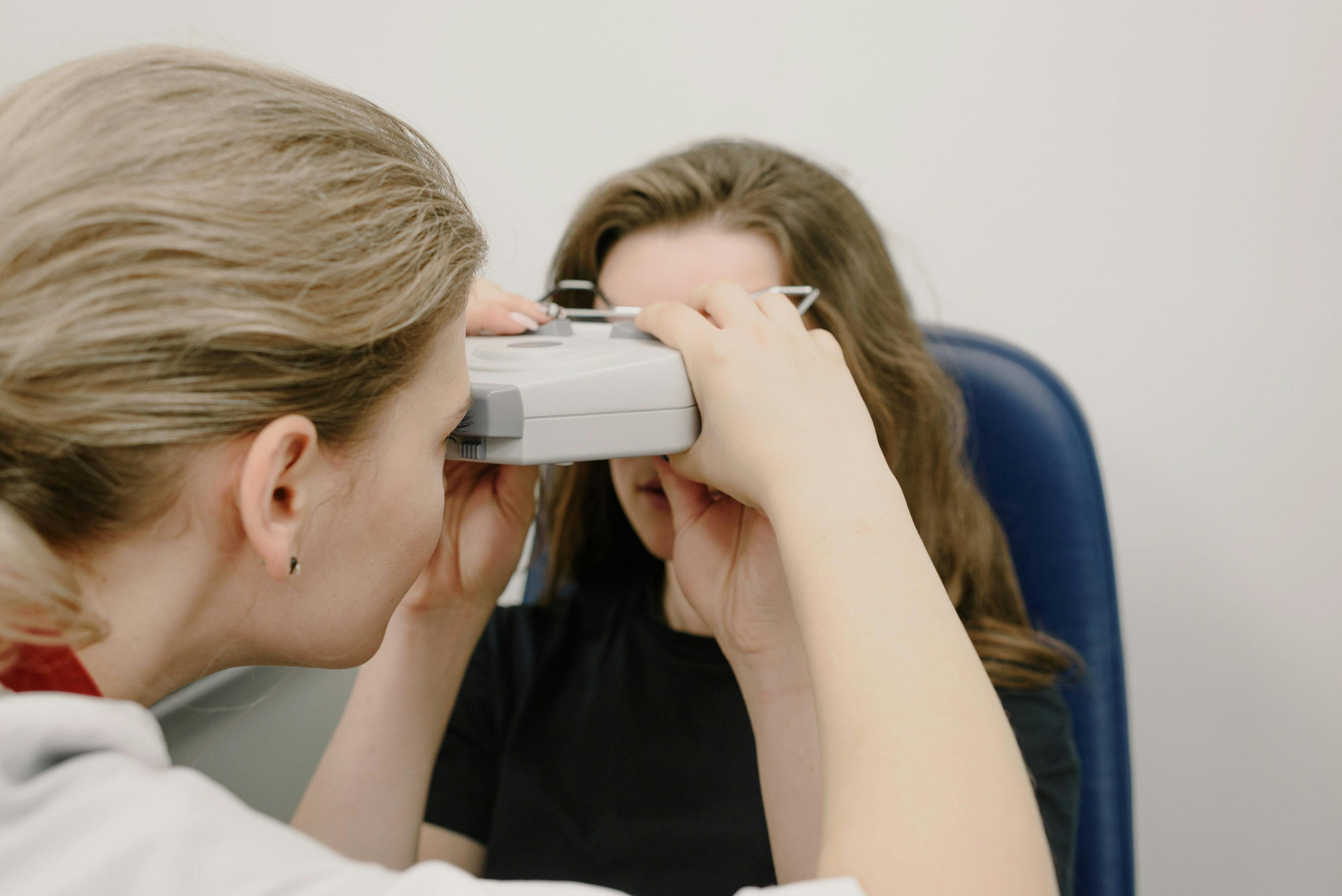
Visual Field Testing. This is the gold standard. Visual field perimetry (automated testing) demonstrating a superior visual field defect is compelling documentation of functional impairment. Testing is performed with and without manual elevation of the excess eyelid; if field improves with lid elevation, this documents that the lid is the problem.
Photographs. Clinical photographs documenting the eyelid appearance, degree of ptosis, or excess skin are requested. Some insurers also request "before and after eyelid elevation" photos to show the functional problem.
Levator Function Assessment. For ptosis, measurement of levator function (how much the muscle can lift) is documented. Poor levator function suggests aponeurotic ptosis requiring repair.
Refraction and Visual Acuity. Documentation of vision correction, baseline acuity, and any correctable vision problems is requested. This ensures the problem isn't refractive and can be addressed by glasses.
Visual Symptoms and Functional Limitations. Patient report of difficulty with tasks (driving, reading, seeing computer screens) is helpful, though objective documentation (visual fields) is more compelling.
Pre-Authorization. Before surgery, your surgeon will submit a pre-authorization request to your insurance company or Medisave with all supporting documentation. Insurance will review and approve or deny coverage. Some cases are approved up-front; others might be queried for additional information.
Documentation | Purpose | Required? |
|---|---|---|
Visual Field Perimetry | Objective evidence of vision loss from eyelid obstruction | Yes, strongly preferred |
Photographs | Visual documentation of eyelid appearance and degree of obstruction | Yes, usually |
Levator Function Measurement | Documents muscle function (important for ptosis) | Yes, for ptosis |
Refraction and VA | Ensures correctable refractive error isn't the problem | Yes, usually |
Patient Functional History | Documents symptoms and limitations (driving, reading, etc.) | Yes, helpful |
Surgical Indication Letter | Physician letter explaining medical indication and need for surgery | Yes, usually |
Pre-Op Photographs | Comparison basis for results documentation | Yes, typically |
Approval Rates and Coverage: Insurance companies typically cover 50-70% of approved medical eyelid surgeries through a combination of Medisave claim and insurance policy benefits. The exact amount varies by plan. Some plans cover up to 90% with a deductible. Out-of-pocket costs depend on your deductible, co-insurance, and the total surgical cost.
Denial and Appeals: If your claim is denied, ask your surgeon why. Common reasons include: insufficient documentation of visual field defect, statement that findings are "mild" and don't meet threshold for surgery, or classification as cosmetic rather than medical. Many denials can be appealed. Your surgeon can provide additional documentation or clarify their medical indication for surgery.
At IECRC, we understand insurance requirements. We perform the appropriate testing, document thoroughly, and handle pre-authorization submissions. This maximizes your chances of approval and coverage.
Cost of Eyelid Surgery in Singapore
Eyelid surgery costs vary based on complexity, surgeon experience, and facility. Here's a realistic breakdown.
Medical Blepharoplasty (excess eyelid skin): S$2,000 to S$5,000. Straightforward cases cost less; complex cases or those requiring fat removal cost more. Medisave typically covers up to S$350, insurance may cover 50-70%, leaving out-of-pocket costs of S$500 to S$3,000.
Cosmetic Blepharoplasty (purely for appearance): S$3,000 to S$8,000+. Cosmetic surgeries are not covered by insurance, so the full cost is out-of-pocket. Cosmetic surgeons specializing in aesthetic eyelid work typically charge more than medical ophthalmologists.
Ptosis Repair: S$3,000 to S$8,000. Complexity depends on severity and cause. Medisave and insurance coverage similar to blepharoplasty, reducing out-of-pocket to S$500 to S$4,000.
Entropion/Ectropion Repair: S$2,000 to S$8,000. These can be technically demanding, particularly if scarring is present. Insurance typically covers approved medical cases.
Chalazion Incision and Drainage: S$500 to S$1000. This is a minor procedure, often done in-office.
Eyelid Tumour Removal: S$2,000 to S$8,000+. If biopsy is needed, costs may be higher. Medical indication is clear and insurance coverage is virtually certain.
These are general ranges; your specific costs depend on your case complexity and chosen provider. Always ask for a detailed cost estimate before proceeding.
How to Know If Your Eyelid Issue Is Medical or Cosmetic
Sometimes the line between medical and cosmetic blurs. Here's how to think about it.
Ask yourself: Is my eyelid condition causing me functional problems? Can I see normally, drive safely, read comfortably? Or does my droopy eyelid or excess skin actually obstruct my vision or cause eye discomfort?
Ask: Do I have documented vision loss from the eyelid problem? Have I had visual field testing showing the eyelid obstructs vision? Or am I seeking surgery primarily because I don't like how my eyelid looks?
Ask: Would I want surgery if no one could see the result? If the answer is "no," it's likely cosmetic. If the answer is "yes" because of functional problems, it's likely medical.
Ask: Are there other ways to address the problem? For purely cosmetic concerns, makeup or other non-surgical approaches might suffice. For medical problems, surgery is often necessary.
Understand: Medical and cosmetic are not mutually exclusive. You can have a medically indicated eyelid surgery that also happens to improve appearance. A patient with droopy eyelid (ptosis) causing vision loss gets surgery for medical reasons, and the appearance improvement is a pleasant bonus. This would be covered by insurance.
Conversely, if you want eyelid surgery purely for appearance but your eyelid actually has a documented visual field defect, the surgery would be classified as medical. The motivation doesn't determine the classification; the anatomical and functional findings do.
At IECRC, we'll be honest with you. If your condition is cosmetic, we'll tell you. If there are medical indications, we'll document and pursue insurance coverage.
Frequently Asked Questions
Is droopy eyelid surgery covered by Medisave?
Yes, if you have documented functional impairment. A visual field defect, difficulty with visual tasks, or documented levator insufficiency makes ptosis surgery medically indicated. Medisave covers a portion of the surgery; your insurance typically covers 50-70% of the total cost. Out-of-pocket costs depend on the total surgical cost and your insurance specifics.
How long does eyelid surgery take?
Blepharoplasty or ptosis repair typically takes 30 to 60 minutes per eye, depending on complexity. Entropion/ectropion repair may take longer (60 to 90 minutes). Chalazion removal is very quick (10 to 20 minutes). Total time in the facility might be longer due to check-in, preparation, and post-operative monitoring.
Will eyelid surgery leave a visible scar?
Upper blepharoplasty incisions are typically made in the eyelid crease, where they hide well. Scars mature over 6 to 12 months and become quite inconspicuous. Most people cannot see surgical scars on close inspection once healed. Lower lid procedures sometimes leave scars along the lid margin that may be slightly visible. Chalazion removal through the inner lid (usually) leaves no visible scar.
Can both eyes be done on the same day?
Yes, bilateral eyelid surgery (both eyes) is frequently done on the same day. This is convenient for patients, as they have one recovery period rather than two. Most surgeons are comfortable operating on both eyes simultaneously or sequentially. The surgery and anesthesia are safe for bilateral procedures in healthy individuals.
What is the difference between an ophthalmologist and a plastic surgeon for eyelid surgery?
Ophthalmologists are trained in eyelid surgery as part of oculoplastics fellowship training. They understand eyelid anatomy, functional requirements, and aesthetic principles from an eye-centered perspective. Plastic surgeons are trained in eyelid and facial aesthetics. For medical eyelid conditions (ptosis, entropion, etc.), either is qualified, though ophthalmologists may have more experience. For purely cosmetic surgery, plastic surgeons often specialize. Always choose a surgeon experienced in your specific procedure.
How do I know if my chalazion needs surgery?
Most chalazia resolve spontaneously within 1 month with warm compresses and eyelid massage. If a chalazion persists beyond a month, is cosmetically bothersome, or is interfering with vision, surgical removal is appropriate. Persistent or recurrent chalazia in the same location warrant evaluation to ensure they're not tumours, though this is rare.
References
Beard, C., Blepharoptosis: Pathophysiology, evaluation, and management. In Ryan, S. J., et al. (Eds.), Retina (3rd ed.). Mosby. 1997.
Callahan, M. A., Beard, C., & Mustardé, J. C. (1976). Levator palpebrae superioris muscle anatomy, physiology, and evaluation. American Journal of Ophthalmology. 1976;82(3):321-332.
Demirci, H., et al. Involutional lower lid entropion: Efficacy of the lower lid retractor advancement technique. Ophthalmic Plastic and Reconstructive Surgery. 2010;26(1):26-30.
Fitzpatrick, J. P., et al. Eyelid dermatochalasis and visual impairment. Ophthalmology. 2014;121(1):356-360.
Garg, P., et al. Trends in oculoplastic surgery: A review of 22 years of literature. Indian Journal of Ophthalmology. 2014;62(8):845-852.
Joh, K. H., et al. Prevalence of blepharoptosis in East Asia and South Asia. Ophthalmic Epidemiology. 2020;27(5):389-397.
Last reviewed: Apr 2026
Disclaimer: This article is for informational purposes only and does not constitute medical advice. Eyelid conditions and their treatment are highly individual. Whether eyelid surgery is medically indicated versus cosmetic depends on thorough clinical evaluation. Always consult with a qualified ophthalmologist or oculoplastics specialist for personalized assessment, documentation of medical indication, and guidance on insurance coverage. The information provided reflects current medical understanding but may not apply to your specific situation.