Quick Answer: No, a cataract cannot come back after having cataract surgery. During cataract surgery, the cloudy natural lens is permanently removed and replaced with an artificial intraocular lens (IOL). In some individuals, however, a condition called posterior capsule opacification (PCO) or after-cataract can develop months or years after cataract surgery causing some cloudy vision. PCO is easily treatable with a quick, painless laser procedure called YAG laser capsulotomy.
What Is Posterior Capsule Opacification (PCO)?
During cataract surgery, the surgeon removes the cloudy lens protein from within a thin, transparent membranous bag called the lens capsular bag after making an opening in the front part of the membrane called the anterior capsule. The back part of this membrane, the posterior capsule, is intentionally left in place to support the new artificial intraocular lens (IOL).
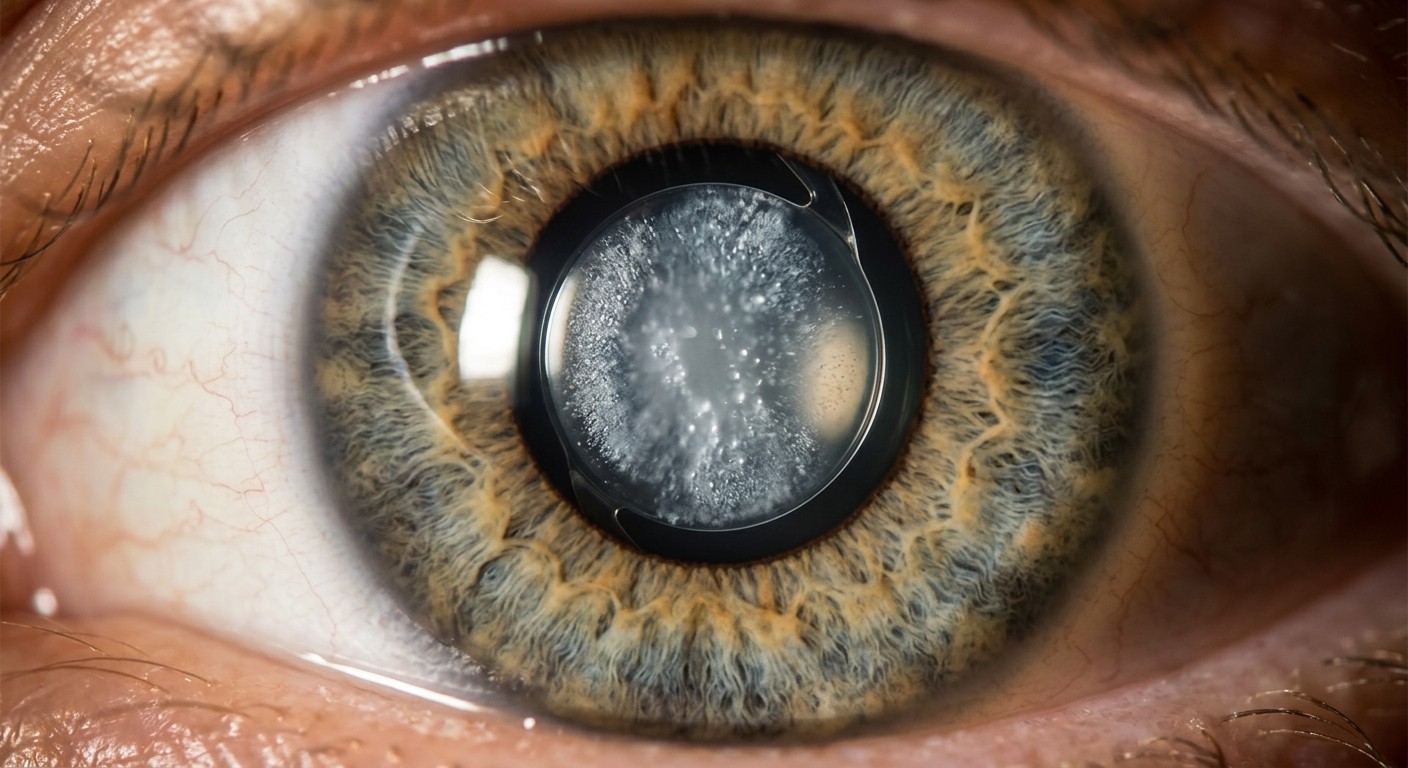
Over time, tiny microscopic residual lens epithelial cells, which are normally present on the inner surface of the capsule, can grow and multiply across the posterior capsule surface. This cell growth causes the capsule to become slightly hazy or opaque, in turn scattering light before it reaches the retina. The result is a gradual return of blurry, cloudy, or filmy vision that can sometimes feel very similar to the original cataract symptoms.
PCO is sometimes informally called a "secondary cataract" or "after-cataract," but it is important to understand that it is not a new cataract forming. The original cataract has been completely removed and cannot regrow. PCO is a separate process involving the capsule membrane, and not the lens itself.
How Common Is PCO After Cataract Surgery?
PCO is the most common long-term complication of cataract surgery, though it is not dangerous and is straightforward to treat. Research shows that approximately 12% of patients develop clinically significant PCO within the first year after surgery. By three years, this increases to around 20%, and by five years, approximately 30 to 34% of patients may experience some degree of PCO.
Modern IOL designs have significantly reduced PCO rates compared to earlier lens technologies. Sharp-edged optic designs create a physical barrier that inhibits lens epithelial cell migration across the posterior capsule. Studies show that the edge design of the IOL is the primary factor in preventing PCO, more important than the lens material itself.
Your risk of developing PCO may be higher if you are younger at the time of cataract surgery, have certain pre-existing eye conditions such as uveitis (inflammation inside the eye), or have diabetes.
YAG Laser Capsulotomy: The Simple Fix
If PCO develops and affects your vision, the treatment is a YAG laser capsulotomy, a quick, non-invasive laser surgical procedure. During this procedure, your ophthalmologist uses a focused laser beam to create a small opening in the cloudy posterior capsule. This allows light to pass through clearly to the retina again and hence improves vision.
The procedure takes only a few minutes, requires no incision, and is performed in the laser surgery room under topical anaesthesia (numbing eye drops). Most patients notice an improvement in their vision within hours to days.
Research indicates that 95 to 98% of patients who undergo YAG laser capsulotomy achieve full resolution of their PCO symptoms. Serious complications are rare. In general populations, the overall complication rate is low, with cystoid macular oedema and retinal detachment occurring in a small percentage of cases. The vast majority of any post-procedure complications resolve with appropriate treatment.
YAG laser capsulotomy is generally a one-time treatment. Once the posterior capsule has been opened, PCO typically does not recur in the treated area.
How to Tell If You Have PCO
PCO develops gradually, so the symptoms may come on slowly over months or years after your cataract surgery. Common signs include gradual blurring of vision that was previously clear after surgery, difficulty reading or seeing fine detail, increased glare or halos around lights (particularly noticeable at night), colours appearing faded or washed out, and a general sense that your vision is not as sharp as it was shortly after your cataract operation.
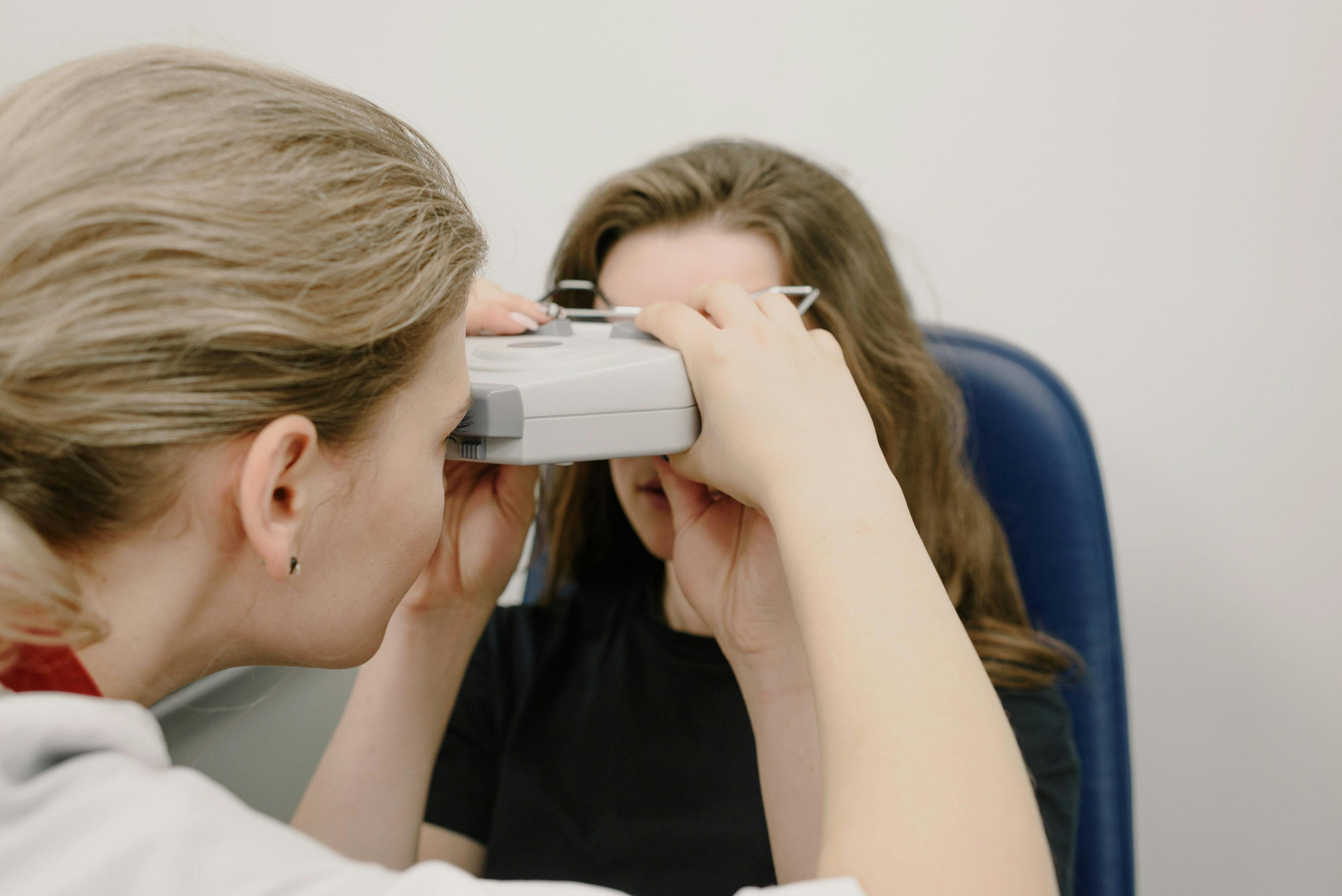
If you experience any of these symptoms after cataract surgery, schedule a review with your ophthalmologist. A routine slit lamp examination can quickly confirm whether PCO is present and whether YAG laser capsulotomy would be beneficial.
It is important not to assume that declining vision after cataract surgery is simply "normal ageing." While PCO is the most common cause of visual decline after cataract surgery, other conditions such as macular degeneration, glaucoma, or diabetic eye disease should also be assessed by your ophthalmologist.
Frequently Asked Questions
How long after cataract surgery can PCO develop?
PCO can develop as early as a few months after cataract surgery, but it most commonly becomes noticeable between one and five years post-operatively. Some patients may not develop PCO at all, while others may notice symptoms within the first year. Regular follow-up appointments with your ophthalmologist can help detect PCO early.
Is YAG laser capsulotomy covered by MediSave in Singapore?
YAG laser capsulotomy is eligible for MediSave claims in Singapore, as it is classified as a surgical procedure for a medically necessary condition. The claimable amount depends on the specific procedure code and your available MediSave balance. Check with the clinic staff for current MediSave claim limits for the procedure.
Can PCO happen more than once after YAG laser treatment?
Once a YAG laser capsulotomy has been performed, the opening in the posterior capsule is permanent. PCO does not typically recur in the area that has been treated. In rare cases, especially in young children who have undergone cataract surgery very early in life, thickening of the residual capsule at the edges of the opening may cause some recurrent cloudiness, but a repeat YAG procedure can easily address this if necessary.
Does PCO mean my cataract surgery failed?
No. PCO is not an indication that your cataract surgery was unsuccessful. The cataract was fully removed and cannot regrow. PCO is a natural biological response where residual cells on the lens capsule regrow over time. It is a well-recognised occurrence after cataract surgery and is easily correctable with YAG laser capsulotomy.
References:
Posterior capsule opacification in uveitis patients: incidence, risk factors and Nd:YAG laser outcomes. PubMed, 2026. https://pubmed.ncbi.nlm.nih.gov/41739910/
YAG capsulotomy: safe and effective for patients with uveitis. Review of Optometry, 2026. https://www.reviewofoptometry.com/article/yag-capsulotomy-safe-and-effective-for-patients-with-uveitis
IOL design features and posterior capsule opacification prevention. PMC, 2026. https://pmc.ncbi.nlm.nih.gov/articles/PMC12928811/
Capsular preservation strategies for reducing PCO after cataract surgery. PLOS ONE, 2025. https://journals.plos.org/plosone/article?id=10.1371/journal.pone.0344563
Last reviewed: May 2026
Disclaimer: This article is for general informational purposes only and does not constitute medical advice. Please consult an ophthalmologist for personalised guidance.