Selective Laser Trabeculoplasty (SLT)
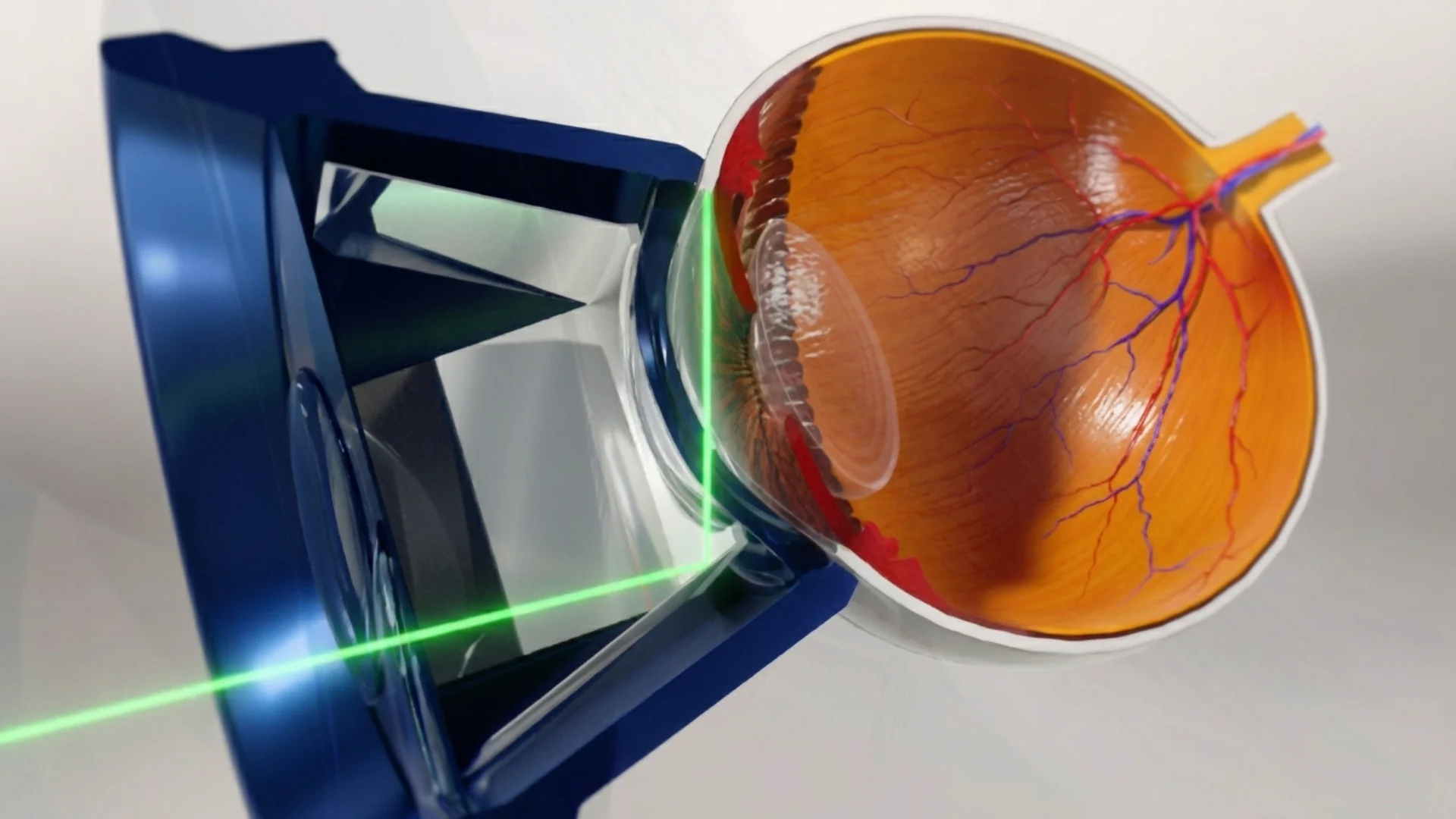
Selective laser trabeculoplasty is a gentle laser treatment that helps lower eye pressure in patients with open-angle glaucoma. This procedure targets the eye's natural drainage system to improve fluid outflow, and can serve as an alternative or addition to daily eye drops.
How SLT Works
The eye continuously produces fluid that must drain through a mesh-like structure called the trabecular meshwork. In open-angle glaucoma, this drainage becomes less efficient, causing pressure to build up and potentially damage the optic nerve.
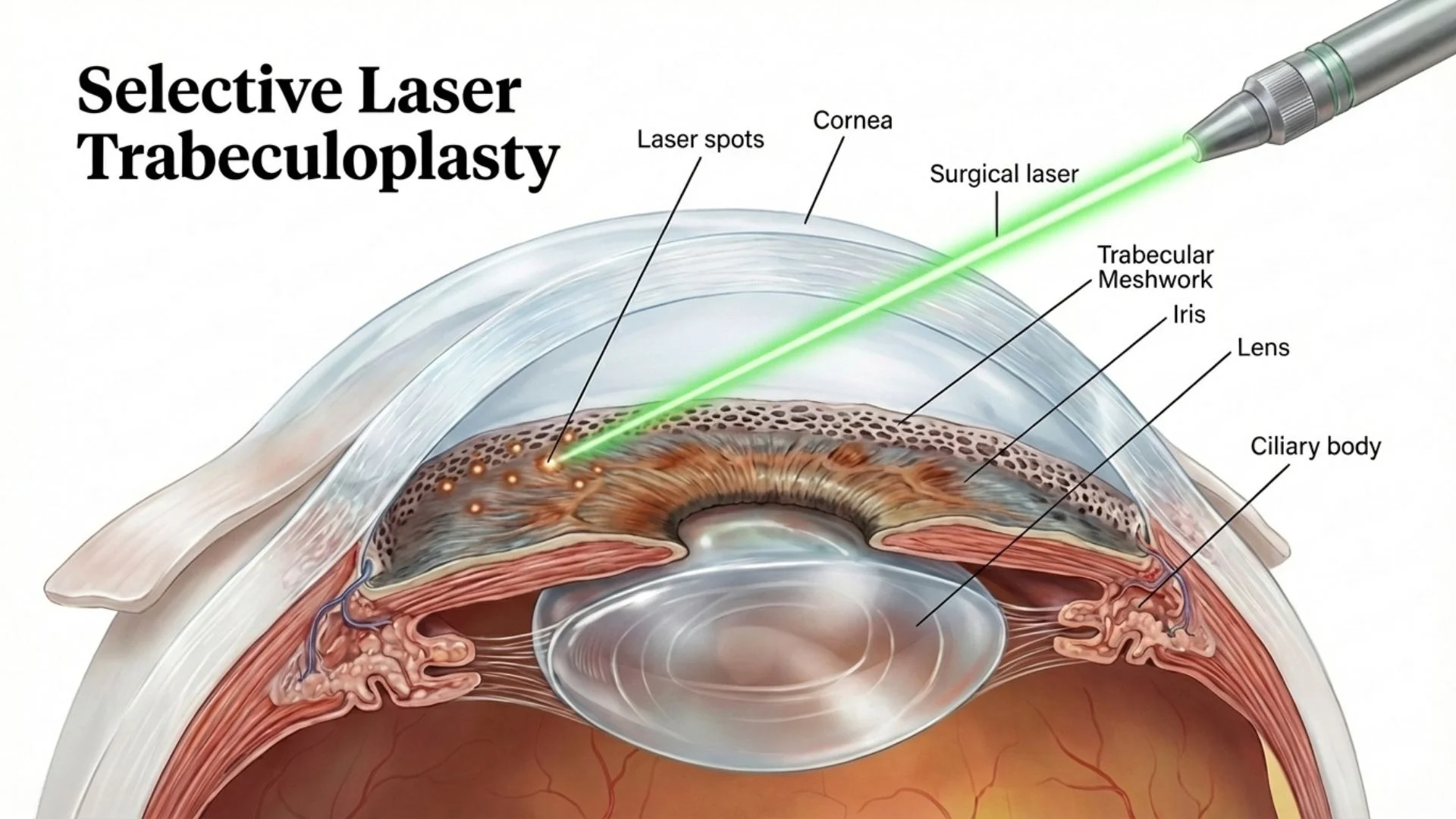
SLT uses short pulses of low-energy laser light to stimulate the trabecular meshwork cells without causing thermal damage. This triggers a biological response that improves drainage over the following weeks.
The National Eye Institute provides detailed information about glaucoma and the importance of managing eye pressure.
Who May Benefit
SLT may be suitable for patients with:
Primary open-angle glaucoma as initial or additional treatment
Ocular hypertension (elevated eye pressure without optic nerve damage)
Difficulty with eye drop medications due to side effects, cost, or adherence challenges
Pseudoexfoliative glaucoma which often responds well to SLT
Normal-tension glaucoma in selected cases
SLT is not appropriate for angle-closure glaucoma or certain inflammatory or developmental glaucomas.
The Procedure
SLT is performed at the slit lamp in the clinic:
Anaesthetic drops numb the eye
A special lens is placed on the eye to focus the laser
Approximately 100 laser applications are delivered around the drainage angle
The procedure takes about 5-10 minutes
You may see flashes of light during treatment
What Results Can Be Expected
Research published in The Lancet (the LiGHT trial) demonstrated that SLT can be effective as a first-line treatment for glaucoma, with many patients achieving adequate pressure control without needing daily eye drops.
On average, SLT reduces eye pressure by 20-30%. The effect typically becomes apparent over 4-8 weeks and may last one to five years. Some patients achieve longer-lasting benefit, while others may need retreatment or additional therapy.
Important considerations:
Response varies between individuals
SLT can be repeated if the effect diminishes over time
Some patients will still require eye drops for optimal pressure control
The procedure does not restore vision already lost to glaucoma
Potential Risks
SLT has an excellent safety profile:
Temporary pressure rise immediately after treatment, monitored in the clinic
Mild inflammation managed with anti-inflammatory drops
Discomfort or redness usually mild and temporary
Blurred vision for a few hours after treatment
Serious complications are rare. Unlike older laser treatments, SLT does not cause permanent structural damage to the drainage tissue.
Full effect takes time: Your eye pressure response will be evaluated over several weeks. Medication adjustments are typically made at your follow-up visits once the treatment effect is established.
Medical Disclaimer: This information provides general guidance about selective laser trabeculoplasty and should not replace professional medical advice. Glaucoma is a lifelong condition requiring ongoing monitoring regardless of treatment success. Individual responses to SLT vary, and some patients will require additional treatments. Please consult with our ophthalmologists for assessment and a management plan tailored to your needs.
Pre-Operative Care
Continue all current glaucoma medications unless instructed otherwise
Arrange transportation as your vision may be temporarily affected
No fasting is required
The procedure is performed in the clinic
Inform your doctor of any eye inflammation or infection
Post-Operative Care
Seek immediate attention if you experience: Severe eye pain, sudden vision loss, persistent headache with nausea, or significantly worsening vision-these may indicate a serious pressure spike requiring urgent assessment.