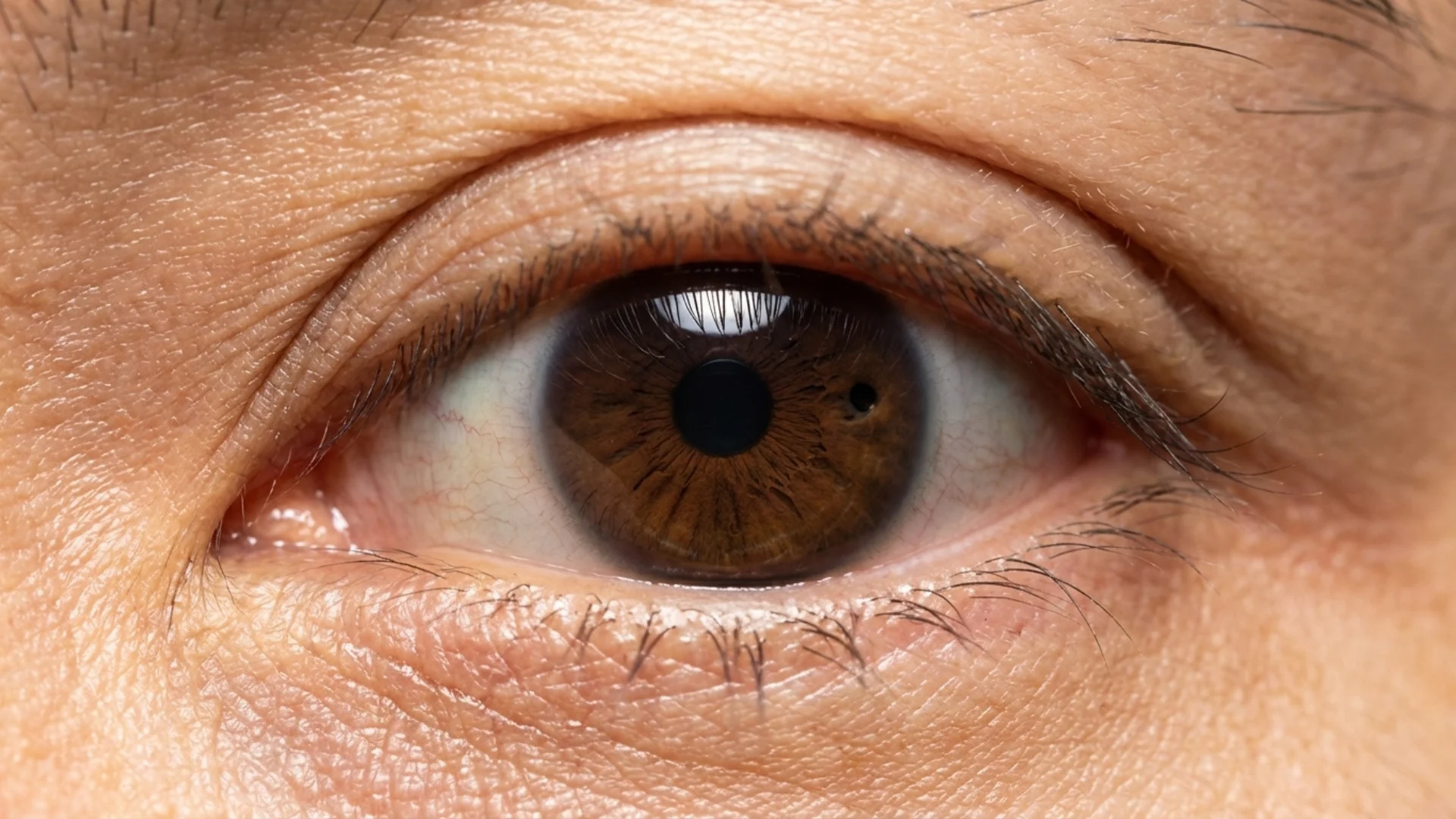
Laser Peripheral Iridotomy
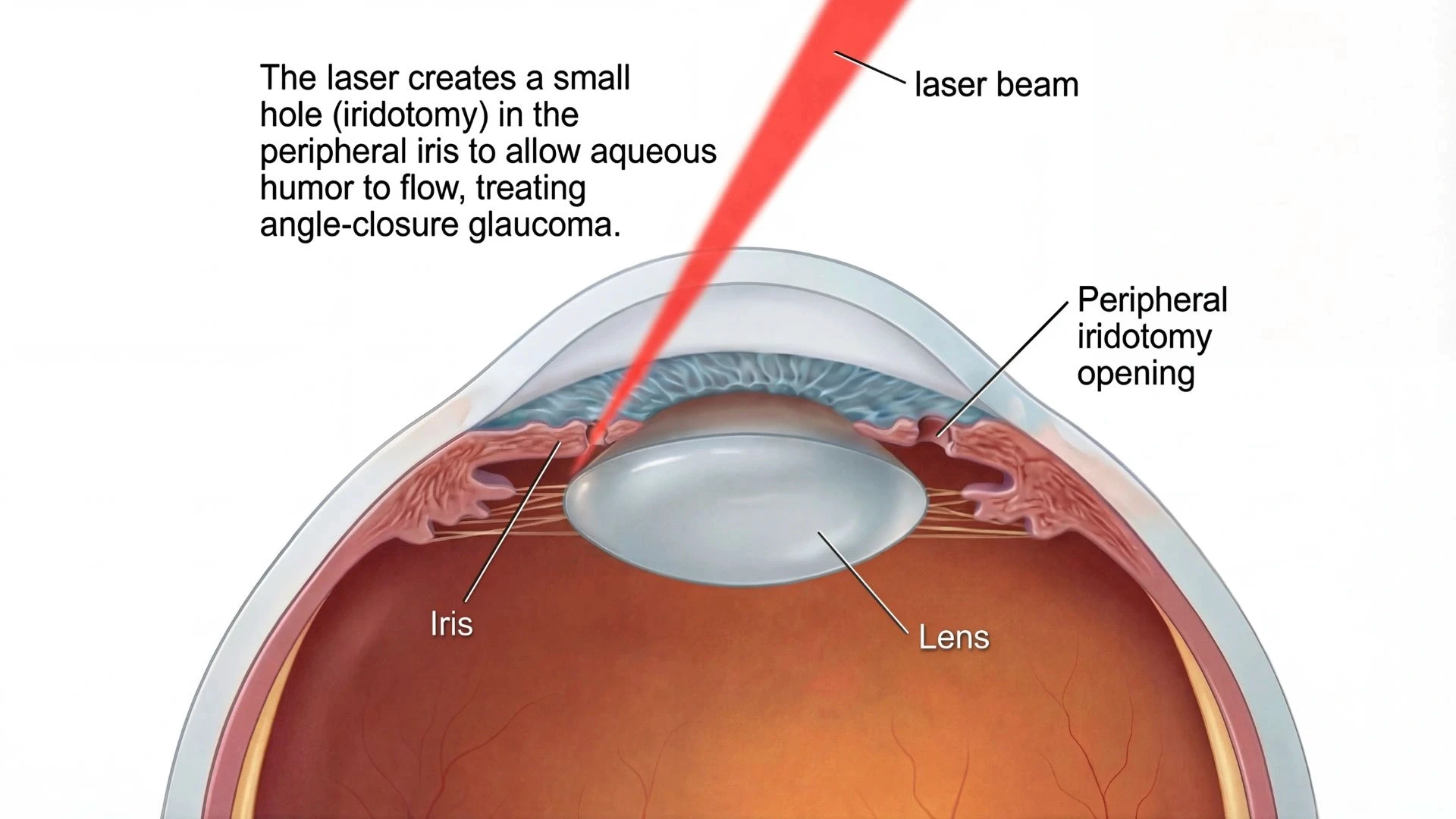
Laser peripheral iridotomy is a preventive procedure that creates a tiny opening in the iris to reduce the risk of angle-closure glaucoma. This treatment is recommended for patients whose eye anatomy places them at risk of a sudden, painful rise in eye pressure.
Understanding Angle Closure Glaucoma
The eye continuously produces fluid (aqueous humour) that must drain through a structure called the drainage angle, located where the iris meets the cornea. In some eyes, particularly those that are naturally smaller or more farsighted, this angle can be narrow.
If the drainage angle closes suddenly, fluid cannot escape, causing eye pressure to rise rapidly. This is called acute angle-closure glaucoma-a medical emergency that can cause permanent vision loss within hours if untreated.
The National Eye Institute provides comprehensive information about glaucoma and its various forms.
Who May Benefit
Laser iridotomy may be recommended for:
Narrow angles identified during routine eye examination
Primary angle-closure suspect where anatomy suggests future risk
Fellow eye protection if you have had angle closure in one eye
Before cataract surgery in some patients with narrow angles
Acute angle-closure glaucoma as part of emergency treatment
Risk factors for narrow angles include farsightedness, Asian or Inuit ethnicity, family history of angle-closure, and increasing age.
The Procedure
The procedure is performed at the slit lamp in the clinic:
Anaesthetic drops numb the eye
A special contact lens helps focus the laser
The laser creates a small opening (about 0.5mm) in the peripheral iris
Treatment takes approximately 5-10 minutes
You may hear clicking sounds and see bright flashes
The American Academy of Ophthalmology explains how this opening allows fluid to flow more freely, reducing the risk of angle closure.
What Results Can Be Expected
Laser iridotomy is highly effective at preventing angle-closure attacks when the underlying cause is pupillary block. However, it does not treat existing glaucoma damage or guarantee that glaucoma will not develop from other causes. Ongoing monitoring remains important.
Potential Risks
Temporary blurred vision for several hours after the procedure
Mild discomfort or aching, usually brief
Temporary pressure rise which is monitored after treatment
Inflammation managed with anti-inflammatory drops
Glare or visual symptoms are uncommon with proper placement of the opening
Closure of the iridotomy may occur in some cases, requiring retreatment
Bleeding at the iris during the procedure is usually minor and self-limiting
Medical Disclaimer: This information provides general guidance about laser peripheral iridotomy and should not replace professional medical advice. This procedure reduces but does not eliminate the risk of glaucoma, and ongoing monitoring is essential. Please consult with our ophthalmologists for assessment and recommendations based on your individual eye anatomy and risk factors.
Pre-Operative Care
Continue all regular medications including glaucoma drops if prescribed
Arrange transportation as your vision will be affected temporarily
No fasting is required
You may be given drops to constrict your pupil before the procedure
Inform your doctor of any bleeding disorders or blood-thinning medications
Post-Operative Care
Seek immediate attention if you experience: Severe eye pain, sudden vision loss, nausea or vomiting with eye symptoms, or haloes around lights-these may indicate elevated eye pressure.