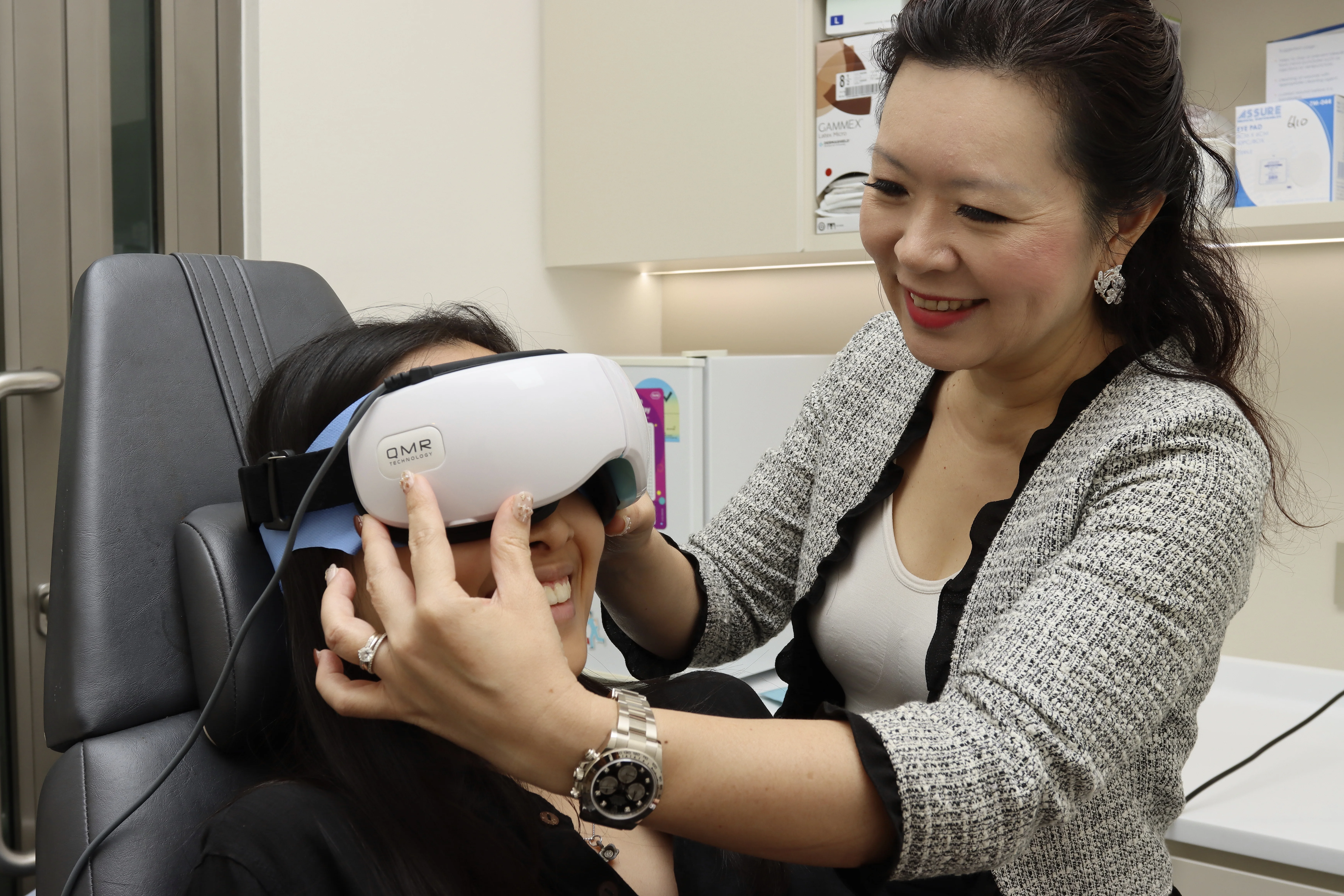
Rexon-Eye Therapy
Rexon-Eye is an emerging treatment for dry eye disease that uses low-frequency electrical fields to stimulate the tissues around the eyes. This non-invasive therapy aims to improve meibomian gland function and tear film quality.
Understanding the Treatment
Rexon-Eye therapy applies Quantum Molecular Resonance (QMR) technology-a form of low-frequency electrical stimulation-to the periocular area. The treatment is designed to:
Stimulate cellular activity in the meibomian glands
Improve the quality and flow of meibum (the oil component of tears)
Enhance tear film stability
Provide relief from dry eye symptoms
The therapy is delivered through applicators placed on and around the closed eyelids, with treatment sessions typically lasting 20 minutes.
The Treatment Experience
A typical Rexon-Eye treatment course involves:
4 sessions performed once a week over 4 weeks
Each session lasts ~20 minutes
Treatment is painless-most patients describe a gentle warming sensation
No anaesthesia is required
You can return to normal activities immediately
Who May Consider This Treatment
Rexon-Eye therapy is marketed for patients with:
Evaporative dry eye from meibomian gland dysfunction
Symptoms not adequately controlled with artificial tears
Those seeking alternatives to other dry eye treatments
Current Evidence
Important note regarding evidence: Rexon-Eye is a relatively new technology, and the published peer-reviewed research is limited compared to more established treatments. While early studies and clinical observations suggest potential benefit for some patients, large-scale randomised controlled trials are not yet available.
Patients should be aware that:
The evidence base is still developing
Individual responses may vary considerably
Comparison studies with other dry eye treatments are limited
We believe in providing patients with accurate information about the strength of evidence supporting different treatments.
What Results May Be Expected
Based on available data and clinical experience:
Some patients report improvement in comfort and symptoms
Effects on tear film parameters have been observed in some studies
The duration of benefit and need for maintenance treatment are not yet well established
Not all patients respond to the treatment
Safety Considerations
Rexon-Eye appears to be well-tolerated based on available information:
Non-invasive with no reported serious adverse effects
Mild warming sensation during treatment
No downtime required
As with any newer technology, long-term safety data is limited.
Medical Disclaimer: This information provides general guidance about Rexon-Eye therapy and should not replace professional medical advice. This is an emerging treatment with limited peer-reviewed evidence compared to established dry eye therapies. The information provided reflects currently available data, which may evolve as more research is published. Please consult with our eye care professionals to discuss whether this treatment might be appropriate for your situation and to understand the current evidence base.
Pre-Operative Care
Remove contact lenses before treatment
Remove eye makeup
No special preparation is required
Discuss your full dry eye history and previous treatments with your practitioner
Post-Operative Care
Seek immediate attention if you experience: Severe eye pain, sudden vision changes, or persistent discomfort after treatment-these may require urgent assessment.