Laser Vision Correction
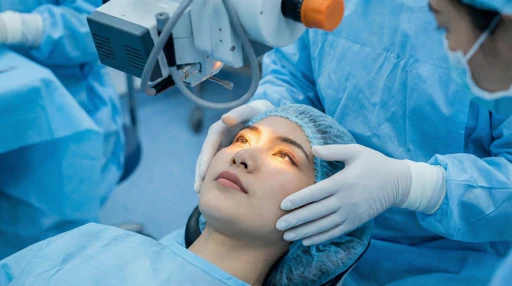
Laser vision correction encompasses a family of refractive surgery procedures designed to reduce or eliminate dependence on spectacles or contact lenses. These procedures reshape the cornea to correct how light focuses on the retina, addressing conditions such as myopia (short-sightedness), hyperopia (long-sightedness), and astigmatism.
Understanding the Procedures
Several laser vision correction techniques are available, each suited to different patient profiles:
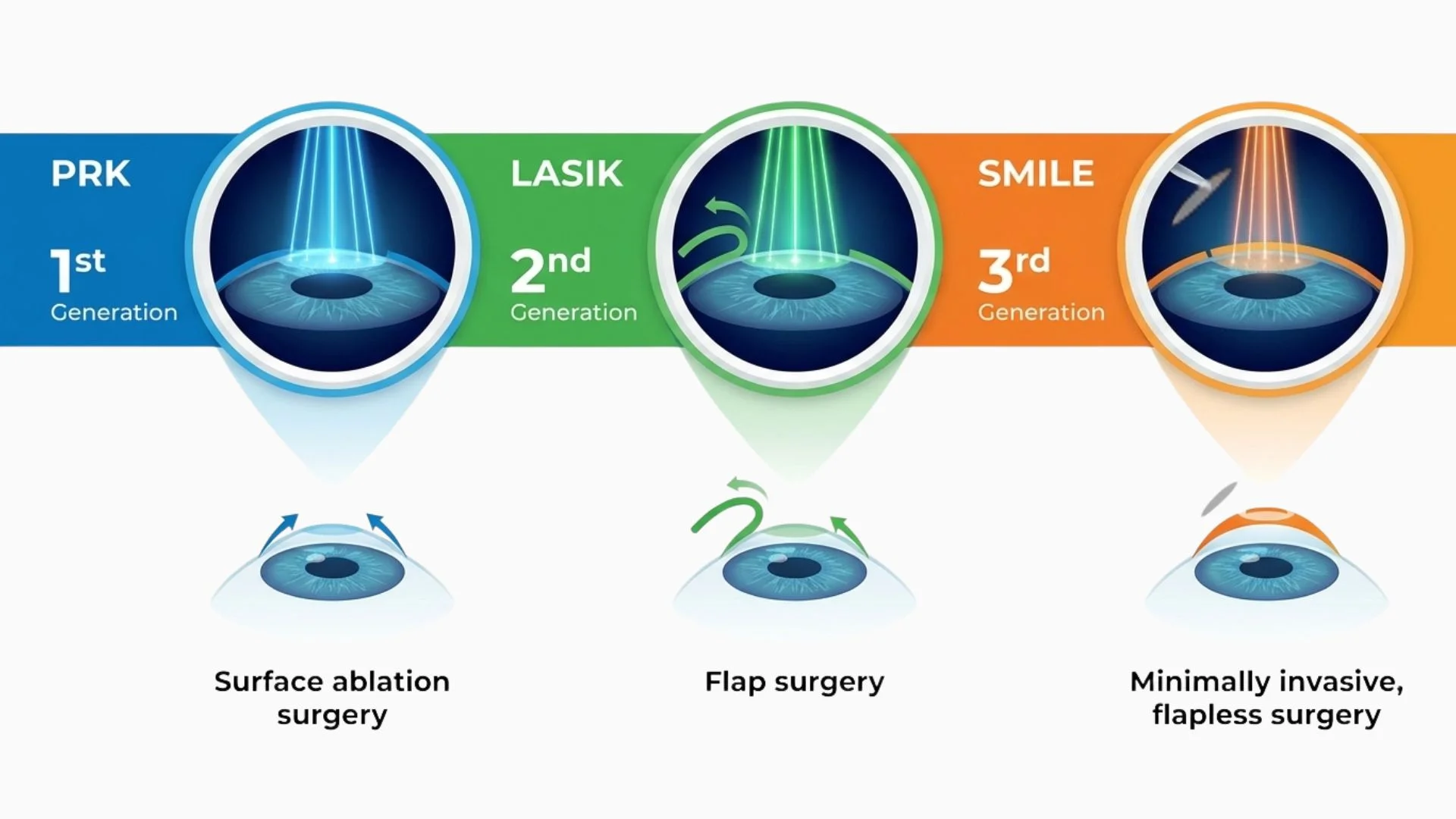
LASIK (Laser-Assisted In Situ Keratomileusis) involves creating a thin corneal flap, reshaping the underlying tissue with an excimer laser, then repositioning the flap. Most patients notice significant visual improvement within 24-48 hours.
PRK (Photorefractive Keratectomy) removes the corneal surface layer before laser reshaping, making it suitable for patients with thinner corneas. Visual recovery takes longer, typically stabilising over several weeks.
SMILE (Small Incision Lenticule Extraction) is a minimally invasive technique that removes a small lens-shaped piece of corneal tissue through a tiny incision, without creating a flap. This approach may result in fewer dry eye symptoms compared to other methods.
Who May Be Suitable
Candidacy for laser vision correction depends on several factors assessed during a comprehensive eye examination:
Adults aged 18 years or older with stable vision (unchanged for at least one year)
Myopia typically between -1.00 and -10.00 dioptres
Hyperopia up to +4.00 dioptres
Astigmatism up to 5.00 dioptres
Adequate corneal thickness
No active eye disease or certain systemic conditions
A thorough pre-operative assessment determines which technique, if any, is most appropriate for each individual.
SMILE Eye Surgery: A Revolutionary Vision Correction Procedure
SMILE (Small Incision Lenticule Extraction) eye surgery represents one of the most advanced developments in laser vision correction technology. This minimally invasive procedure offers a bladeless alternative to traditional LASIK, providing patients with improved visual clarity whilst minimising post-operative discomfort and recovery time.
What Is SMILE Eye Surgery?
SMILE eye surgery is a cutting-edge refractive procedure designed to correct myopia (short-sightedness) and astigmatism. Unlike conventional laser treatments, SMILE requires only a small 2-4mm incision, through which the surgeon removes a precisely calculated lenticule of corneal tissue. This innovative technique reshapes the cornea to correct refractive errors, eliminating the need for spectacles or contact lenses.
The procedure utilises a femtosecond laser to create the lenticule within the corneal tissue, which is then extracted through the minimal incision. This approach preserves more corneal nerves and biomechanical stability compared to traditional methods, making it an excellent option for patients with active lifestyles, including athletes and military personnel.
Benefits of SMILE Surgery
The advantages of SMILE eye surgery are substantial. The minimally invasive nature means patients typically experience fewer dry eye symptoms post-operatively, a common complaint with other laser vision correction procedures. The absence of a corneal flap reduces the risk of flap-related complications and makes the eye more resilient to physical trauma.
Recovery time is remarkably swift, with most patients returning to normal activities within 24-48 hours. Many people resume work the following day, making SMILE an ideal choice for busy professionals. Visual improvement is noticeable almost immediately, with optimal results typically achieved within one to three months. The precision of the femtosecond laser ensures highly accurate corrections, delivering excellent visual outcomes with minimal side effects.
Who Is Suitable for SMILE?
SMILE eye surgery is particularly suited for individuals aged 22 and above with stable prescriptions for at least one year. Ideal candidates have myopia up to -10.00 dioptres and astigmatism up to -5.00 dioptres. Those with thin corneas who may not qualify for LASIK often find SMILE to be an excellent alternative due to its tissue-preserving approach.
However, certain conditions may preclude SMILE treatment. Patients with severe dry eye syndrome, corneal diseases, cataracts, glaucoma, uncontrolled diabetes, or autoimmune disorders should discuss alternative options with their ophthalmologist. Pregnant or nursing women are advised to postpone the procedure. A comprehensive pre-operative assessment, including detailed corneal mapping and eye health evaluation, determines suitability for the procedure.
The SMILE Procedure Experience
The SMILE procedure typically takes 10-15 minutes per eye and is performed under topical anaesthetic drops, ensuring patient comfort throughout. Patients remain awake during treatment, experiencing only mild pressure sensations. The single-step, flapless approach reduces surgical time and complexity whilst enhancing safety.
Post-operative care involves using prescribed eye drops and avoiding rubbing the eyes for several weeks. Most patients notice significant vision improvement within days, though complete healing takes several weeks. Regular follow-up appointments ensure optimal recovery and visual outcomes.
Choosing SMILE Eye Surgery
When considering vision correction, SMILE offers a sophisticated, minimally invasive solution with proven safety and efficacy. Consulting with an experienced refractive surgeon helps determine whether SMILE is the right choice for your individual needs and lifestyle requirements.
What to Expect
The procedure itself takes approximately 15-30 minutes for both eyes. Topical anaesthetic drops are applied, and patients remain awake throughout. The laser application typically lasts less than one minute per eye.
Research indicates that the majority of patients achieve functional vision for daily activities following laser vision correction. However, individual results vary based on the specific refractive error, corneal characteristics, and healing response. Some patients may still require glasses for certain tasks such as reading or night driving.
Potential Risks and Considerations
As with any surgical procedure, laser vision correction carries risks that patients should understand:
Dry eyes may occur temporarily or, less commonly, persist longer-term
Visual symptoms such as glare, halos, or starbursts around lights, particularly at night
Under-correction or over-correction may occur, sometimes requiring enhancement procedures
Rarely, more serious complications including infection or corneal irregularities
The National Eye Institute provides comprehensive information on refractive errors and their management. Patients should discuss their individual risk profile during consultation.
Recovery
LASIK and SMILE: Most patients return to normal activities within one to two days. Vision typically improves rapidly, though it may continue to refine over several weeks.
PRK: Recovery is more gradual, with functional vision usually returning within one to two weeks and continuing to improve over one to three months.
All patients require follow-up appointments to monitor healing and visual outcomes.
Medical Disclaimer: This information provides general guidance about laser vision correction and should not replace professional medical advice. Outcomes vary between individuals, and not everyone is a suitable candidate for these procedures. All surgical procedures carry risks. Please consult with our ophthalmologists for a comprehensive assessment and personalised recommendations based on your specific circumstances.
Pre-Operative Care
Discontinue soft contact lenses at least one week before assessment (longer for rigid lenses)
Arrange transportation home as you cannot drive immediately after the procedure
Avoid eye makeup, lotions, and perfumes on the day of surgery
Ensure you have received and understood all pre-operative instructions
Inform your surgeon of all medications and health conditions
Post-Operative Care
Seek immediate attention if you experience: Severe pain, sudden vision decrease, or signs of infection such as increasing redness or discharge.