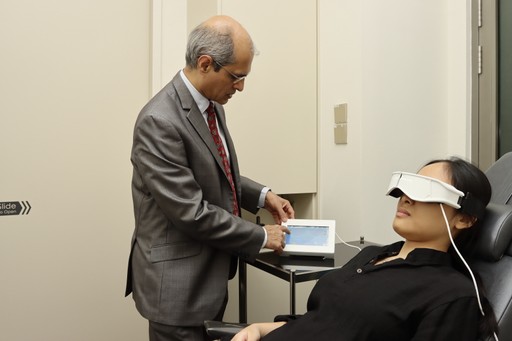
Activa Therapy for Dry Eye and Blepharitis
Activa therapy is a non-invasive, automated eye mask treatment designed to relieve symptoms of dry eye by addressing meibomian gland dysfunction or blepharitis. This in-office treatment uses a combination of controlled heat and micro-vibration massage to unclog the oil-producing glands in the eyelids, which is essential for maintaining a stable tear film.
Understanding Meibomian Gland Dysfunction
The tear film is a complex, transparent fluid structure composed of 3 layers that work together to protect, nourish and maintain the optical quality of your eye surface. The outermost layer is the oil (lipid) layer produced by the meibomian glands in the eyelids. This oil prevents tears from evaporating too quickly. When these glands become blocked or inflamed, the oil quality deteriorates, leading to:
Rapid tear evaporation
Burning, stinging or gritty sensations
Redness and irritation
Fluctuating vision
Discomfort that worsens throughout the day
Abnormal blood vessels around the eyelids release inflammatory substances that worsen meibomian gland dysfunction, creating a cycle of inflammation and symptoms.
How Activa Therapy Works
The treatment follows a precise mechanical method to restore natural oil flow to the eyes.
Thermo-Pulse technology: The mask generates a constant therapeutic heat of approximately 42°C for 15 minutes.
Liquefaction: This heat melts the thickened or solidified oil secretions (meibum) that has clogged the meibomian glands.
Automated massage: Micro-vibrations provide a gentle squeezing action that mechanically expresses the melted oils, allow them to flow freely and lubricate the eye surface.
The Treatment Experience
A typical Activa Therapy course involves:
Initial Phase: One 15-minute session per week for 4 weeks.
Maintenance Phase: One 15-minute session every 2 months to sustain the benefits and keep the meibomian glands from re-clogging.
Who May Benefit
Activa Therapy may be suitable for patients with:
Evaporative dry eye from meibomian gland dysfunction
Ocular rosacea with visible blood vessels around the eyes
Chronic blepharitis not adequately controlled with eyelid hygiene
Symptoms that have not responded sufficiently to artificial tears and warm compresses
What Results Can Be Expected
Many patients report meaningful improvement in dry eye symptoms such as:
Reduced burning and irritation
Less redness
Improved tear film stability
Longer intervals between needing artificial tears
Important considerations:
The response to treatment varies between individuals
Activa therapy does not cure the underlying conditions — ongoing management is usually needed
Best results are achieved in combination with regular eyelid hygiene
Potential Risks
Activa therapy is generally considered a safe and non-invasive procedure with few reported side effects. Clinical studies have noted an “excellent safety and tolerability profile,” with no major device-related adverse events reported in initial trials. Potential side effects include:
Transient eyelid tenderness: The mechanical squeezing action (vibration massage) can occasionally cause temporary tenderness or a mild “bruised” feeling in the eyelids.
Temporary redness and swelling: Some patients experience mild redness or slight swelling of the eyelids immediately after treatment, which typicalky resolves within a few hours.
Intraocular pressure concerns: Any treatment involving eyelid massage or pressure has the theoretical potential to temporarily elevate the eyeball pressure. This may be a concern for patients with existing conditions like glaucoma.
Risk of heat injury: Although the device uses controlled heat at 42°C which is below the threshold for skin burns, improper use or extreme sensitivity could theoretically lead to localised irritation.
Medical Disclaimer: This information provides general guidance about Activa therapy for dry eye and blepharitis, and should not replace professional medical advice. Activa therapy is one component of dry eye management and works best as part of a comprehensive treatment approach. Please consult with our eye care professionals for assessment and recommendations specific to your situation.
Pre-Operative Care
Remove all makeup: Arrive at the clinic with a clean face, free of eye makeup, heavy eyeliners or waterproof mascara.
Contact lenses: You will typically be asked to remove contact lenses before Activa therapy.
Post-Operative Care
Contact your practitioner if you experience: Blistering, prolonged redness, or any unexpected skin changes.