Why Myopia Control Is Worth It: What We Learned at APMMS 2026
Santiya William, B.Optom Ophthalmic Technician & Staff Writer, IECRC
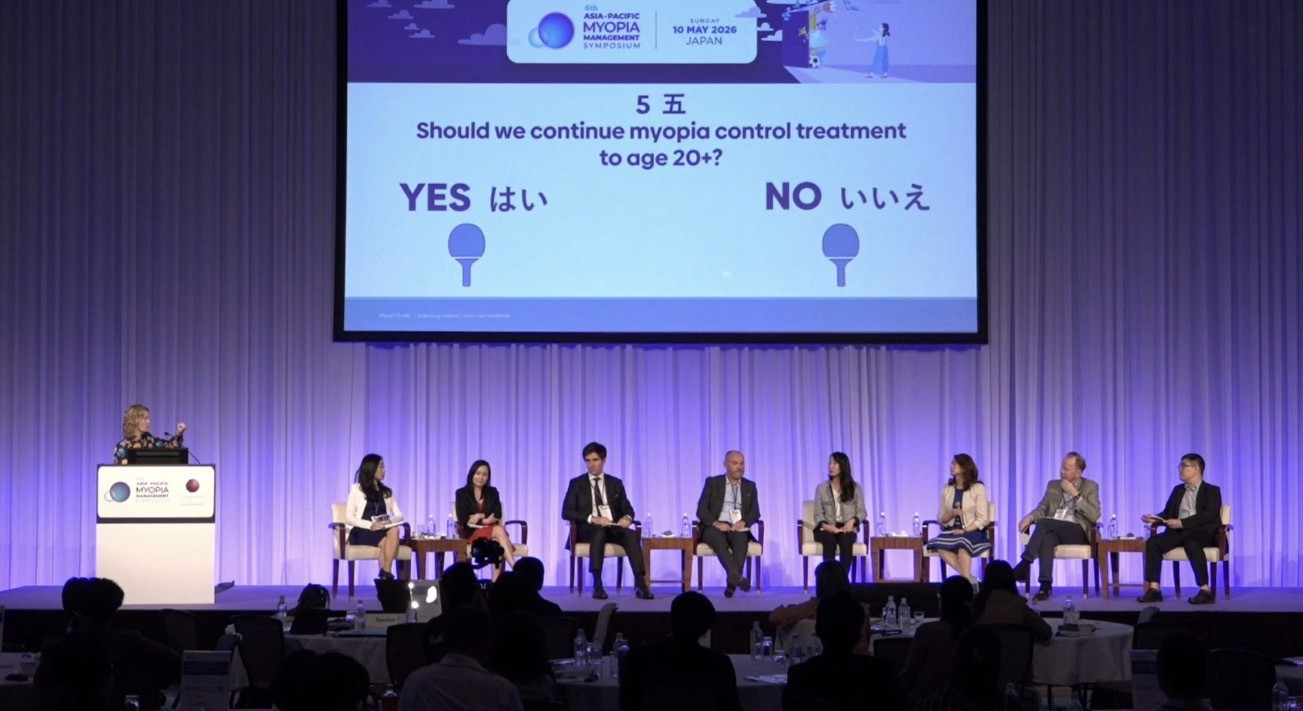
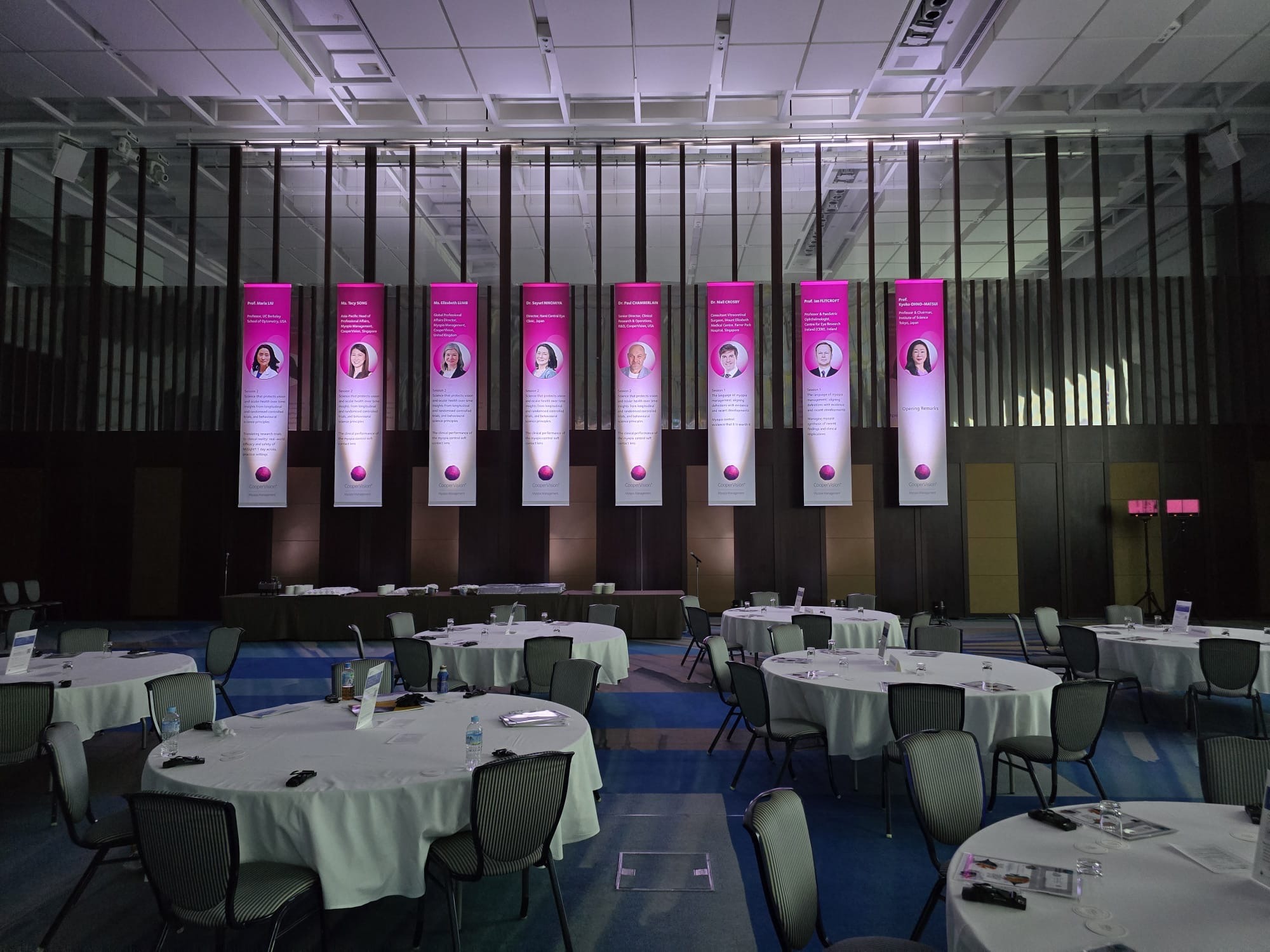
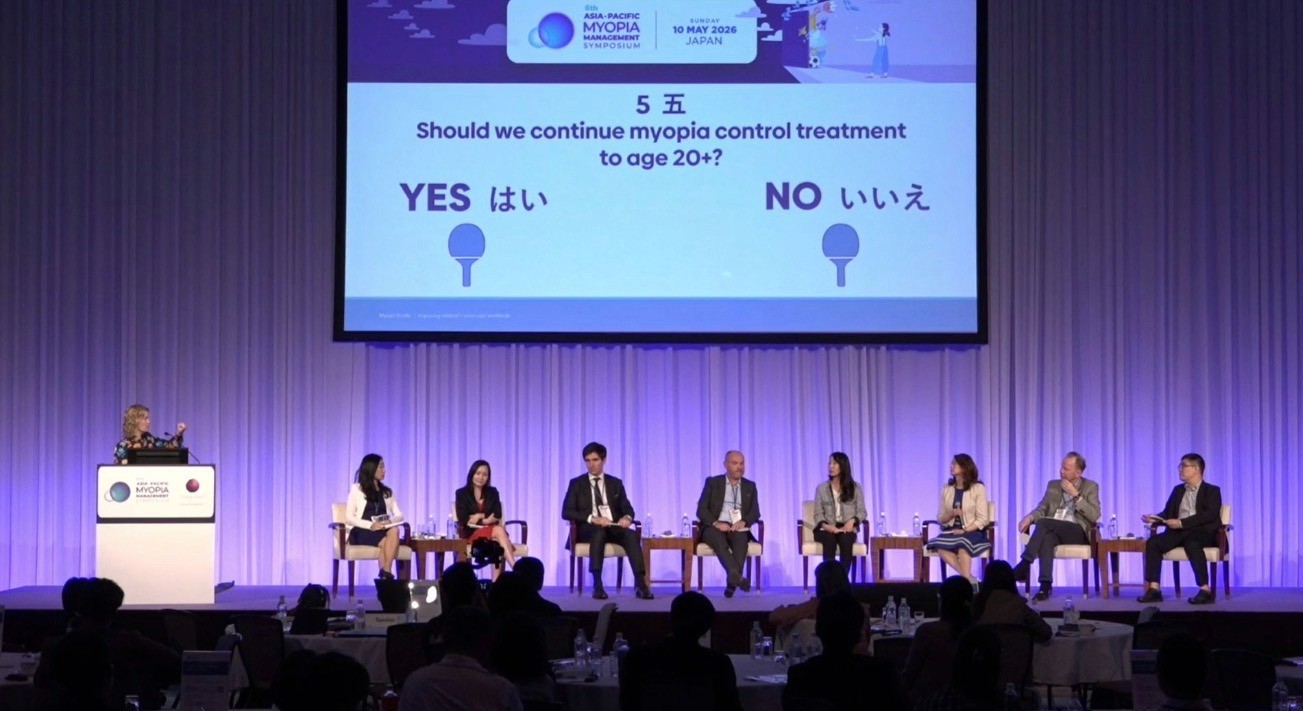
The Asia-Pacific Myopia Management Symposium (APMMS) 2026 brought together some of the brightest minds in global eye care in Tokyo earlier this month. We are proud that Dr. Niall Crosby, Senior Consultant Ophthalmologist and Director, Vitreoretinal Surgery, Medical Retina & Uveitis, International Eye Cataract Retina Centre, was one of the speakers. He spoke to an international audience on a question that matters to every family navigating a child's myopia diagnosis.
Here is what stood out.
The Question Families Ask Most
Is myopia control actually worth it?
For many parents, it is a fair thing to wonder. Myopia control — whether through behavioural modifications, specialist contact lenses, orthokeratology, low-dose atropine, or a combination approach — requires commitment, consistency, and often, cost. When a child's vision can be managed with a standard pair of glasses, the case for doing more is not always obvious.
Dr. Crosby's presentation tackled this directly, and the analogy he used to open it has stayed with us.
The Seawall That Saved a Town
In 1971, a small town in Fudai, Japan, built a 15.5-metre seawall. At the time it was widely criticised , too large, too expensive, excessive for a risk that felt distant. Nearby towns built smaller walls.
When the 2011 tsunami struck, Fudai was protected. The towns around it were not.
The cost of the seawall had always been visible. The disaster it prevented was not, until it was too late to matter.
Dr. Crosby used this story to reframe the myopia control conversation. The effort of treatment today is real and visible. The complications it is designed to prevent include retinal detachment and myopic macular degeneration, irreversible vision loss which may not surface for decades. That does not make them any less real.
What High Myopia Actually Does to the Eye
Myopia is not simply a refractive error. It involves the physical elongation of the eyeball, and it is this elongation that drives long-term structural risk. As the eye grows longer, the retina and other delicate internal structures come under increasing strain.
The figures Dr. Crosby shared at APMMS2026 make this concrete:
At an axial length of around 26mm — roughly -6.00 dioptres — the lifetime risk of low vision or blindness sits at approximately 30%.
Beyond 30mm, that risk rises to around 90%.
The goal of myopia control is not to keep a prescription number low. It is to slow the axial elongation that drives these risks, protecting the eye for life, not just correcting it for today.
To illustrate this, Dr. Crosby shared two cases from his own practice: a young pregnant patient who developed myopic choroidal neovascularisation in her better-seeing eye, and a young monocular patient with ongoing complications years after a scleral buckle repair. Both reflected the kind of risk that accumulates silently over a lifetime of unmanaged high myopia.
As he put it: myopia brings a lifetime of vulnerability.
What the Evidence Is Showing
A few themes ran consistently across APMMS 2026's sessions.
Earlier is better. The eye is most responsive to treatment during childhood, when axial elongation is most active. Research has consistently shown that initiating myopia control earlier leads to greater cumulative benefit. Waiting for rapid progression before acting costs time the eye cannot get back.
The treatment has to be used. Data show that inconsistent compliance — particularly with spectacle-based options — meaningfully reduces outcomes. The best myopia management plan is one the child can actually follow. Comfort, convenience, and family buy-in are not secondary considerations.
Stopping treatment requires care. Evidence suggests that sudden cessation of atropine, even at low doses, can trigger rebound progression. A gradual taper over several months is strongly recommended — worth discussing with your specialist before making any changes.
Dr. Crosby on Long-Term Management
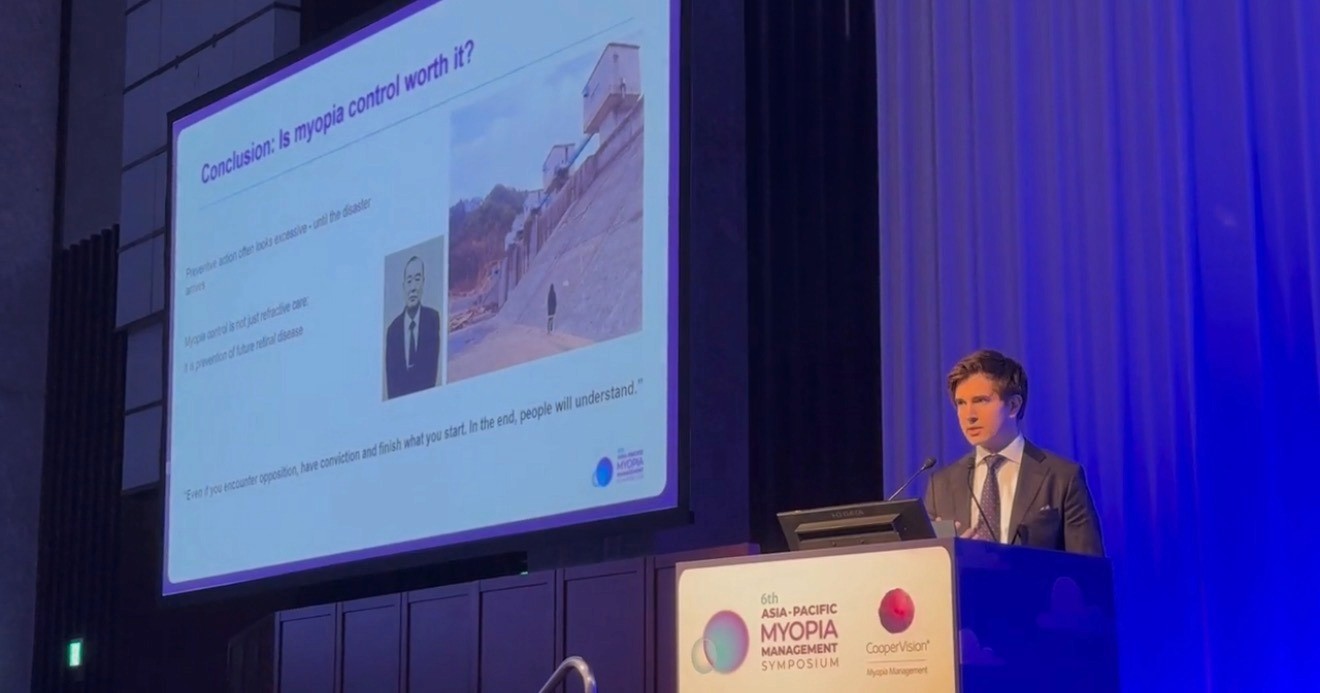
During the panel debate at APMMS 2026, Dr. Crosby's responses reflected the nuanced thinking that shapes good clinical care.
On continuing myopia control beyond age 20: he does not advocate this for every patient, but sees clear value for those who continue to progress into their 20s and 30s. Age alone is not a reason to stop.
On when to discuss long-term eye disease risk with families: from the very first visit. Not to create anxiety, but to give families the full picture so that decisions are made with genuine understanding.
It is an approach we believe every myopic patient and their family deserves.
Why This Matters Here in Singapore
Singapore has one of the highest myopia rates in the world, and the conversations happening at APMMS2026 are directly relevant to the patients we see every day. Having Dr. Crosby as part of that global conversation is something we are genuinely proud of.
If your child has myopia, or if you are an adult with high myopia who has not yet spoken to a specialist about long-term management, we would love to have that conversation with you.
Book a Consultation at IECRC
📍 Mount Elizabeth Medical Centre | Farrer Park Hospital, Singapore 📅 Book an appointment with our team today.
Medically reviewed by the clinical team at International Eye Cataract Retina Centre (IECRC), Singapore.